Meet Isaac 1, the $8,000 home robot that wants to take folding laundry off your to-do list
Weave Robotics, a San Francisco-based startup, is making waves with its innovative home robot, Isaac 1, designed to tackle laundry folding and household tidying. The robot has captured significant attention, amassing over 18 million views on social media after showcasing its laundry-folding skills in a demo video. Reactions range from curiosity about its slower pace to excitement about its potential impact on daily chores. Founded by former Apple engineers and backed by Y Combinator, Weave Robotics is gearing up to launch Isaac 1 in California this fall, priced at $7,999 upfront or a monthly payment option of $449. This price point positions it as a more affordable option compared to competitors like 1X's Neo, which is anticipated to cost around $20,000. Other companies, including Sunday Robotics and Tesla, are also in the race to develop home robots, highlighting the growing interest in automating household tasks. CEO Kaan Dogrusoz, along with co-founder Evan Wineland, aims to place Isaac 1 in 1,000 homes across the U.S. by 2027. Currently, a limited number of earlier models, known as Isaac 0, are already operating in select Californian households. While Dogrusoz did not disclose the specific number of these earlier models in use, he mentioned that their robot deployment exceeds their employee count of 20. Additionally, specialists in San Francisco are available to remotely assist the robots when necessary. In an interview, Dogrusoz explained the rationale behind focusing on laundry as the initial challenge for the robot. He noted that while some people may enjoy cooking, laundry is generally viewed as a tedious task that can be optimized, allowing families to reclaim valuable time. With Isaac 1, users can expect significant time savings by automating this chore effectively from a designated spot in their home. The design of Isaac 1 emphasizes usability and safety, featuring wheels for balance and ease of maneuverability. This design choice ensures that the robot can operate safely without the risk of falling or causing damage. The robot is equipped with two capable arms, designed for handling bulky laundry items, and it boasts a soft fabric exterior, aligning with the company’s vision of making the robot feel at home in its environment. As for the level of autonomy, Dogrusoz confirmed that while Isaac 0 has been largely autonomous, occasional human intervention is necessary to adapt to new types of garments. He envisions a future where the robot will continue to evolve, expanding its capabilities beyond laundry. In response to feedback regarding its speed, Dogrusoz acknowledged the importance of quality over rapidity, emphasizing that the end result must meet user expectations. Improvement in speed is already evident, with the time taken to fold a T-shirt reduced from four minutes to about two. He believes the ultimate satisfaction comes from returning home to find that laundry has been efficiently folded, regardless of the time it took. As more companies enter the competitive landscape of household robotics, Dogrusoz welcomes the additional innovation, reinforcing that the emergence of various products is beneficial for enhancing everyday life.
Nvidia Strikes Major Deal with SK Hynix to Secure AI Memory Supply
Nvidia has successfully forged a significant partnership with South Korea's SK Hynix to secure memory supplies essential...
CNBC | Jul 25, 2026, 05:15
Legal Battle Erupts Over 'Duress' Password in Groundbreaking Data Wiping Case
The U.S. Justice Department has initiated legal proceedings against a Georgia resident, Samuel Tunick, who is accused of...
TechCrunch | Jul 24, 2026, 18:25
Alphabet Takes the Lead in AI Investment Amid Industry Competition
In a bold move that underscores its commitment to artificial intelligence, Alphabet has significantly ramped up its spen...
CNBC | Jul 24, 2026, 19:45
The Aluminum Foil Trend: A DIY Shield Against Wireless Identity Theft
Have you noticed an unusual trend where people are wrapping their wallets in aluminum foil? This peculiar practice has e...
Business Today | Jul 25, 2026, 02:45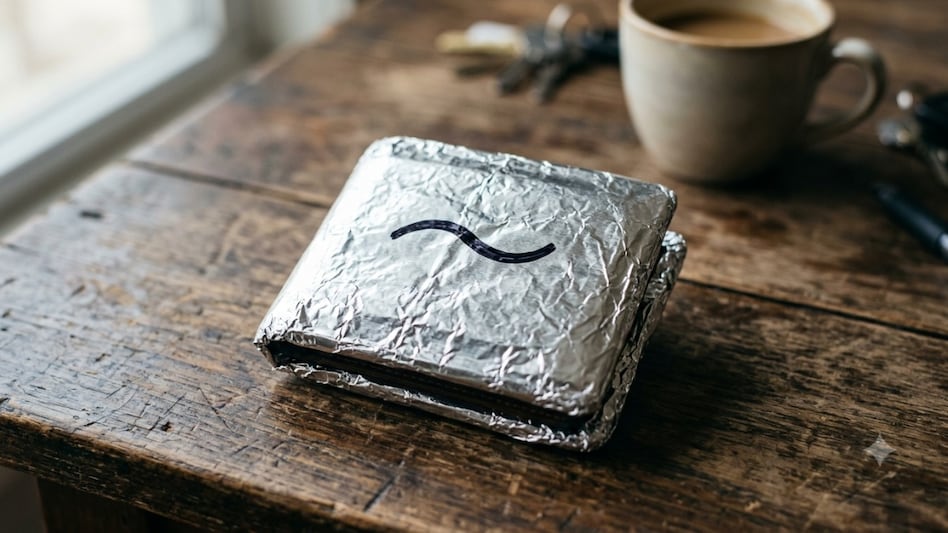
Unveiling the Future of Finance: TechCrunch Disrupt 2026's Smart Money Stage
The landscape of money is transforming beyond just cash or bank balances, and TechCrunch Disrupt 2026 is set to spotligh...
TechCrunch | Jul 24, 2026, 22:40