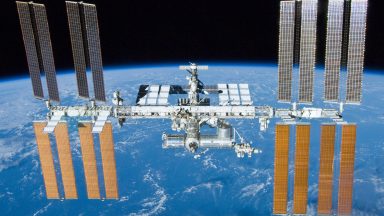
Uh-oh, the International Space Station is leaking again
NASA has confirmed a recurrence of atmospheric leakage from the Russian segment of the International Space Station (ISS). This issue, which has troubled the space agency for several years, was believed to have been resolved following extensive efforts to identify and seal the leaks. Engineers from both Roscosmos and NASA have been monitoring the leak rate from a small Russian module connected to the station, specifically targeting a docking port. The leaks, attributed to microscopic structural cracks, have proven elusive to locate and repair effectively. Earlier in the year, NASA announced that after numerous inspections and the application of sealants, the pressure within the PrK module had stabilized, a development that had brought relief to the space exploration community. However, the situation took a turn three weeks ago when reports emerged of a renewed leak. NASA confirmed the troubling news shortly thereafter. On May 1, after Russian cosmonauts completed unloading cargo from the Progress 95 spacecraft, Roscosmos observed a gradual drop in pressure within the PrK module. NASA spokesperson Josh Finch reported that this drop amounted to approximately one pound per day. In response, Roscosmos has managed the pressure in the transfer tunnel, allowing it to decrease slowly while keeping a close watch on the leak rate. Currently, the area is maintained at a lower pressure, with minor repressurizations conducted as necessary, ensuring there are no immediate impacts on station operations. NASA and Roscosmos are actively discussing the next steps to address the issue. While there is no immediate threat to the astronauts aboard the ISS, and no significant concerns about the station's overall health, the persistence of the leak raises questions regarding the long-term sustainability of the ISS. Although NASA officials have generally downplayed the risk publicly, internal discussions reflect a heightened concern, with the leaks classified as a significant risk, indicating a potential for catastrophic failure, as revealed by their risk assessment matrix.
Unveiling the Mystery: How OpenAI's Latest Model Received Government Approval
OpenAI has begun the public rollout of its latest language model, named Sol, which is said to rival Anthropic’s Fable. T...
TechCrunch | Jul 09, 2026, 18:50
Investing in Tech Giants: Cramer Predicts a Major AI-Driven Turnaround
On Thursday, Jim Cramer of CNBC expressed his unwavering support for the largest technology companies in the market, eve...
CNBC | Jul 09, 2026, 22:40
OpenAI Unveils Game-Changing Features for ChatGPT, Targeting Professionals
In a significant development for workplace technology, OpenAI has announced the integration of its renowned Codex AI cod...
Business Insider | Jul 09, 2026, 19:10Slate Auto Partners with Crayola to Brighten Up EV Customization
Slate Auto, an electric vehicle startup with backing from Jeff Bezos, is redefining customization in the automotive worl...
TechCrunch | Jul 09, 2026, 19:30
Google Introduces Transparency Feature for AI-Generated Ads
In a significant move towards transparency, Google is launching a new feature designed to inform users when they are vie...
TechCrunch | Jul 09, 2026, 19:00