
From missed fabs to glass substrates: Intel’s India chapter enters a new phase
Intel's history in India has been marked by missed opportunities, beginning with co-founder Robert Noyce's visit in the late 1960s to establish a semiconductor manufacturing facility. Unfortunately, policy barriers halted this endeavor. Again in 2006, Intel considered India for a chip fabrication plant, but bureaucratic delays thwarted the plan. Now, nearly sixty years later, Intel is returning to India, but with a different agenda. The tech giant has partnered with 3D Glass Solutions (3DGS) to explore the establishment of an advanced packaging glass-core substrate facility in Odisha. While the project is still in its infancy, Intel's involvement could significantly enhance India's role in the global semiconductor supply chain. Semiconductor substrates are often overlooked, yet they play a crucial role in the functionality of modern electronics. Manish Rawat, a semiconductor analyst at TechInsights, highlights that these substrates are essential for providing electrical connectivity, mechanical support, and thermal management for chips, facilitating efficient power and data transfer. As the demand for advanced servers, AI accelerators, and complex computing systems grows, the industry is increasingly seeking alternatives to traditional organic substrates. Danish Faruqui, CEO of Fab Economics, notes that while conventional organic substrates are reliable for basic chips, they lack the necessary strength for advanced AI hardware. In contrast, glass substrates enhance the mechanical and electrical properties of chip packages. The advantages of glass over resin-based substrates include superior dimensional stability, improved surface flatness, and enhanced thermal performance. Rawat emphasizes that these properties enable tighter interconnects and higher packaging density, which are critical for AI-focused processors and advanced data centers. Despite the potential, glass-core substrates are still in early commercial stages, contrasting with the well-established market for Ajinomoto Build-up Film (ABF) substrates, which is currently dominated by companies like Ibiden and Unimicron. The emerging glass substrate ecosystem is diverse, involving semiconductor firms, substrate manufacturers, and materials suppliers. Countries like Japan, South Korea, Taiwan, and the US lead the glass substrate market, controlling essential materials and technology for commercialization. The Intel-3DGS initiative could position India among a select few nations developing capabilities in this innovative technology. The timing of this project is particularly relevant as global semiconductor supply chains seek diversification beyond East Asia. With incentives from the India Semiconductor Mission, India stands to benefit significantly from this shift. Faruqui points out that establishing a glass substrate base in India can help mitigate risks for Western tech companies while maintaining scalability. Odisha has emerged as a favorable location for this project, providing essential resources like reliable power and water, which are vital for semiconductor manufacturing. The state's commitment to renewable energy aligns with the sustainability goals of major corporations like Intel. The implications of the Odisha project extend beyond a single facility. Analysts suggest that it could evolve into a comprehensive ecosystem for glass-core substrate manufacturing and advanced packaging. If successful, this initiative could attract various suppliers and equipment manufacturers to the region, creating a robust semiconductor supply chain. However, for the project to thrive, three conditions must be met: consistent demand from Intel, stable processes from 3DGS, and government-supported infrastructure. Furthermore, the production of glass-core substrates relies heavily on ultra-pure materials, which are currently not available in India, suggesting a need for local suppliers. While India may have missed the opportunity for Intel's fabs, becoming part of its next-generation packaging strategy could prove equally significant. As the semiconductor industry evolves from merely miniaturizing transistors to reinventing chip packaging, glass-core substrates are set to play a pivotal role. If Intel's investment in Odisha succeeds, India could be at the forefront of a major transformation in the AI hardware supply chain.
Global Leaders Unite to Promote Secure Open-Source AI at APEC Summit
In a significant development at the recent APEC summit in Chengdu, China, member nations, including the United States, e...
CNBC | Jul 24, 2026, 02:45
Meta Tightens Rules on Smart Glasses to Protect User Privacy on Instagram
Meta has taken a significant step in addressing privacy issues related to smart glasses by implementing new guidelines f...
Business Today | Jul 24, 2026, 11:50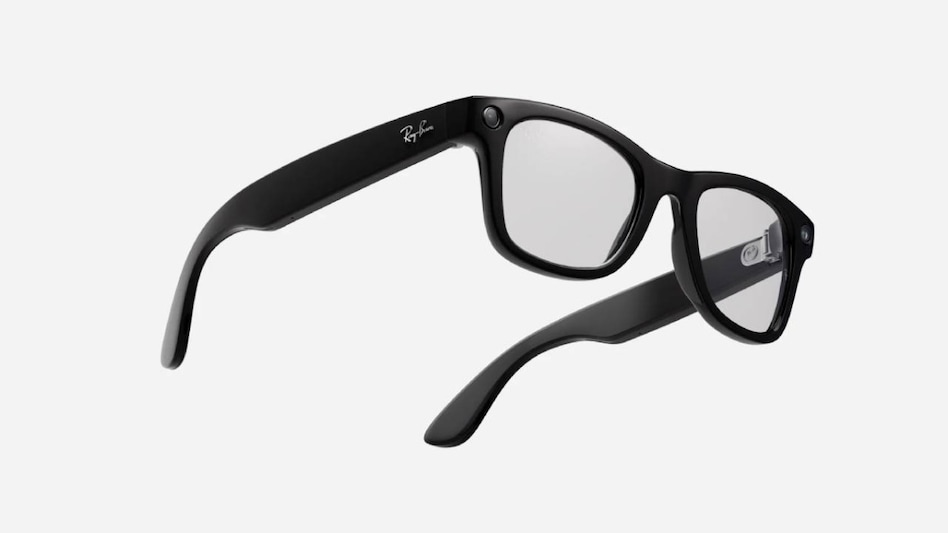
Elon Musk Reflects on the Unexpected Acceleration of AI Development
Elon Musk has expressed that his initial efforts to curb the concentration of artificial intelligence power may have ina...
Business Insider | Jul 24, 2026, 04:15Nvidia's Jensen Huang Calls for a More Balanced AI Narrative Amid Growing Public Concerns
In a recent interview, Nvidia's CEO Jensen Huang urged leaders in the artificial intelligence sector to adopt a more con...
Business Insider | Jul 24, 2026, 09:50China's Memory Chip Giant CXMT Set to Challenge Market Dynamics with Major IPO
ChangXin Memory Technologies (CXMT), China's leading memory chip manufacturer, is preparing for a significant public lis...
CNBC | Jul 24, 2026, 02:15