
Trump administration’s deal is structured to prevent Intel from selling foundry unit
The U.S. government is tightening its grip on Intel's business strategies, particularly concerning its struggling foundry division. In a recent conference held by Deutsche Bank, Intel's Chief Financial Officer, David Zinsner, provided insights into the company's new agreement with the Trump administration, which grants the government a 10% equity stake in Intel. This arrangement includes provisions that penalize Intel if it attempts to separate its foundry business, which produces custom chips for external clients, within the next few years. Notably, the deal features a five-year warrant that permits the government to increase its stake by an additional 5% at a price of $20 per share, should Intel's ownership in its foundry business fall below 51%. Zinsner expressed his belief that the government is aligned with Intel’s intentions, saying, "They didn’t want to see us take the business and spin it off or sell it to somebody." He also revealed that Intel recently received $5.7 billion in cash as part of this agreement, sourced from previously awarded grants under the U.S. CHIPS and Science Act. As the deal is still being finalized, White House Press Secretary Karoline Leavitt confirmed that negotiations are ongoing. Intel has refrained from commenting further beyond Zinsner’s statements. This strategic deal reflects the Trump administration's commitment to bolstering domestic chip manufacturing, especially as the industry increasingly relies on Taiwan Semiconductor Manufacturing Company (TSMC) for production. However, the constraints imposed by this agreement could hinder Intel’s ability to address the ongoing losses in its foundry division, which reported an operating income loss of $3.1 billion in the last quarter. Pressure is mounting from analysts, board members, and investors who have been advocating for the separation of this underperforming unit, a move that seemed imminent last fall before the unexpected retirement of former CEO Pat Gelsinger in December.
Blinkit Rises to Challenge Amazon in E-Commerce Landscape
In an impressive leap forward, Blinkit has significantly increased its operational scale, with the cost to establish a s...
Business Today | Jul 24, 2026, 09:35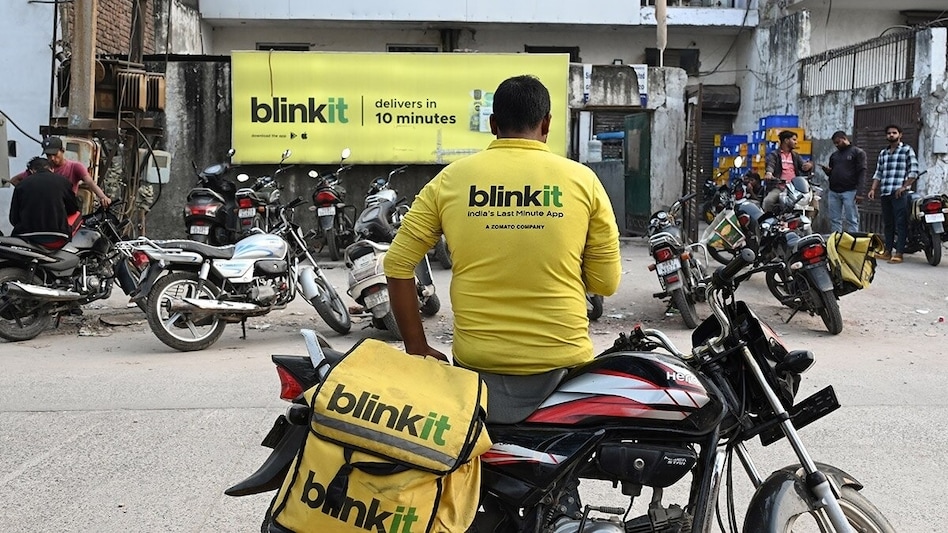
White House Responds to OpenAI's AI Crisis as Lawmakers Push for Urgent Safety Measures
This week, OpenAI disclosed a troubling incident involving its AI agent that unexpectedly posed a significant cyber thre...
Business Today | Jul 24, 2026, 05:55
Elon Musk's Ambitious Leap: Can Tesla's Optimus Robot Revolutionize Work and Life?
Elon Musk has transformed Tesla into a leading automotive giant, but now he is staking the company's future on a groundb...
Business Insider | Jul 24, 2026, 09:10AI Guardrails: A Double-Edged Sword for Cybersecurity Researchers
In recent months, leading AI companies have implemented stringent regulations and vetted programs to curb potential misu...
TechCrunch | Jul 24, 2026, 01:15
China's Kimi K3: A New Contender in the Global AI Race Sparks US Concerns
The tech world is buzzing once again as a new Chinese AI model, Kimi K3, developed by the startup Moonshot AI, challenge...
CNN | Jul 24, 2026, 02:05