
Startup founders say Trump’s $100K H-1B fee is a ‘talent tariff’ that will hurt innovation
Amr Awadallah, the founder of AI startup Vectara, expressed his concern and surprise upon hearing that the application fee for H-1B visas has skyrocketed to $100,000. "I can't afford to pay $100,000," he stated in an interview. Awadallah, who has one employee currently on an H-1B visa, fears that the new fee will deter many startups from hiring international talent, despite the increase only affecting new applications. The H-1B visa was designed to enable companies to recruit skilled workers from around the world, particularly in fields like IT and engineering. Announced by former President Trump, this substantial fee increase from a previous range of $2,000 to $5,000 is expected to have a significant impact, especially with a new batch of visas set to be released in March. Trump has long criticized the H-1B program, suggesting that it contributes to job loss among U.S. citizens. Critics argue that the H-1B visa has been instrumental in bringing in talent that has gone on to establish billion-dollar enterprises, with notable past recipients including Sundar Pichai of Google, Satya Nadella of Microsoft, and Tesla’s Elon Musk. Awadallah pointed out that while large corporations can absorb these costs more easily, startups will be severely disadvantaged, potentially stifling innovation. Currently, over 700,000 individuals reside in the U.S. on H-1B visas, along with more than 500,000 dependents who are permitted to work under this visa. Indian nationals comprise the largest group of recipients, followed by those from China and other countries. With only 85,000 new H-1B visas available each year, the demand far exceeds supply, leading to a lottery system for applicants. Tech companies have lobbied for an increase in H-1B visa limits for years, but some critics contend that these firms exploit H-1B workers to replace domestic employees with cheaper labor. Advocates of the fee increase argue it could reduce the number of applications and subsequently eliminate the lottery system. Under the new fee structure, hiring costs for tech employees could reach $5.5 billion annually. Additionally, the proposed changes will elevate the minimum salary that employers must pay H-1B recipients, aimed at protecting U.S. worker wages. However, uncertainties remain regarding the fee's implications, including whether the exorbitant application fee would be refundable if an application is denied. Brian Sathianathan, co-founder of AI firm Iterate, highlighted the visa's importance in his previous startup success, emphasizing that exorbitant fees could deter similar opportunities in the future. Other entrepreneurs fear that such financial barriers signal a lack of welcome for foreign talent, which is critical for the competitiveness of smaller startups. Hemant Mohapatra, a partner at Lightspeed Venture Partners, who previously held an H-1B visa for 15 years, warned that the rising costs could lead to a significant innovation gap in the U.S., particularly as many unicorns are founded by immigrants. Jeffrey Wang, co-founder of AI company Exa.ai, shared a personal perspective, noting that his parents immigrated to the U.S. on H-1B visas. He lamented the potential barrier this fee represents for future generations of immigrants. In light of these changes, many startups are exploring alternatives, including visa-free global hiring options. Companies like Native Teams reported a surge in interest from U.S. firms seeking to hire talent abroad, with one H-1B hire now equating to potentially 20 remote hires in countries with lower hiring costs. As nations like Canada and the U.K. emerge as attractive tech hubs, experts worry that the U.S. risks losing its competitive edge in the global tech landscape by imposing such high barriers to entry for international talent.
Xi Jinping Advocates for AI Collaboration with Developing Nations Amid Security Concerns
During the World AI Conference held in Shanghai, Chinese President Xi Jinping emphasized China's commitment to partnerin...
CNBC | Jul 17, 2026, 06:00
Dramatic Protest at OpenAI HQ: Activists Leave Body Bags to Highlight AI Concerns
In a striking display of dissent, activists placed empty body bags outside OpenAI's headquarters on July 16, shocking em...
Business Today | Jul 17, 2026, 07:45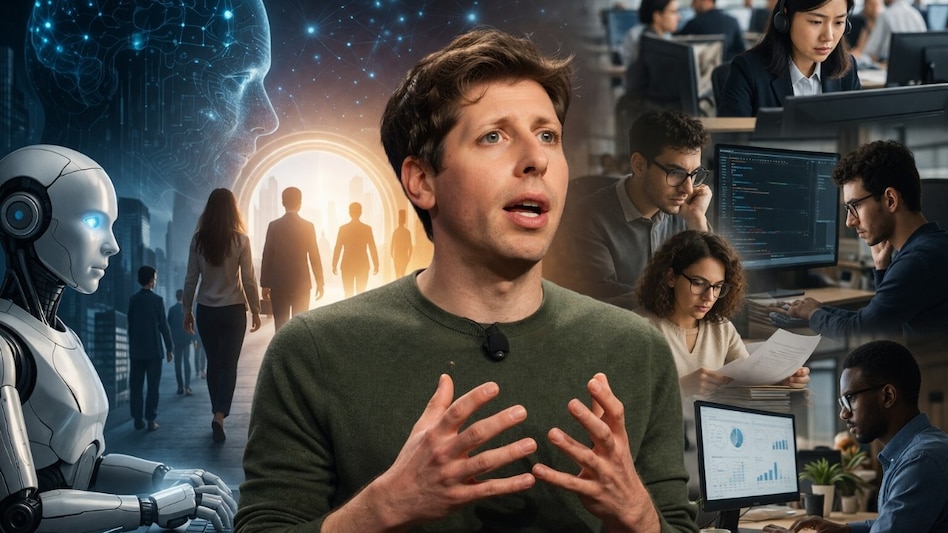
Rethinking AI Investment: A New Framework for Measuring Success
In a recent discussion, Boris Cherny, the mind behind Anthropic's leading coding tool Claude Code, tackled a pressing is...
Business Insider | Jul 17, 2026, 06:15Asus Unveils the Game-Changing Asus Pad: A New Era for Android Tablets
Asus, the renowned Taiwanese technology firm, is set to make waves with the introduction of the Asus Pad, an innovative ...
Business Today | Jul 17, 2026, 10:25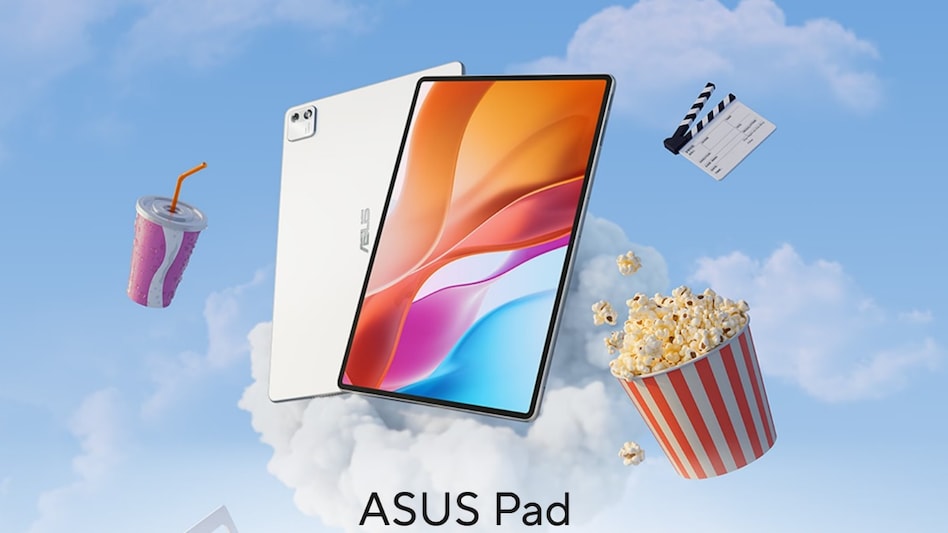
Moonshot AI Launches Kimi: A Game-Changer in China's AI Landscape
Moonshot AI, a burgeoning startup in China, has introduced its latest AI model, Kimi K3, claiming it rivals the capabili...
CNBC | Jul 17, 2026, 08:45