
SpaceX alumni nab $100M to rethink shipping with autonomous freight trains
The freight rail industry, once a pioneer in technological disruption, has seen limited innovation in recent years, primarily focusing on extending train lengths. This trend has led many railroads to abandon shorter routes, allowing trucking companies to capture a sizable portion of the $1 trillion surface freight market. However, with diesel prices hitting all-time highs, several trucking firms are facing bankruptcy, including at least 16 in a matter of weeks. In response to these challenges, Parallel Systems has emerged with a promising solution to maintain freight movement and enable railroads to reclaim lost market share. The startup has engineered an autonomous rail vehicle capable of transporting multiple tons of freight for distances of up to 500 miles without the need for an operator. According to Matt Soule, co-founder and CEO of Parallel Systems, this innovation could make short-haul freight profitable for railroads once more. "Less than 500 miles is difficult for railroads to compete on," Soule explained. "Our technology allows them to take back some of that business from trucking, benefiting the public in the process." Parallel's rail vehicles not only alleviate traffic congestion but also operate on battery power, significantly reducing pollution. To advance the production of its cutting-edge Panther vehicles and accelerate their commercial rollout, Parallel Systems has successfully raised $100 million in a Series C funding round, led by AVP and supported by several notable investors including Hillspire, Agility Global, and Riot Capital. Founded in 2020 by former SpaceX engineers specializing in rocket avionics, Parallel's vehicles can operate independently or in platoons, a departure from the traditional precision railroading strategy that has dominated the industry. This strategy has focused on longer trains and fixed schedules to spread operational costs, leading to a shift away from shorter routes that trucking companies have since capitalized on. Currently, trucking dominates about 60% of freight trips in the U.S. under 500 miles, contributing to increased congestion, particularly at major ports like Savannah, where long lines of trucks can be seen. Parallel’s innovative design eliminates traditional couplers, allowing vehicles to form platoons that can autonomously separate once they reach a train yard. The startup has garnered interest from trucking companies, as it allows them to facilitate more deliveries by moving freight closer to customer locations. "They seek reliability and efficiency in their operations," Soule noted. Having received approval from the Federal Railroad Administration to operate near the Port of Savannah, Parallel has been actively testing its system on 160 miles of track to ensure safety and operational efficacy. "We are validating all safety controls and practices in a real-world setting, aiming for our first commercial payload in the near future," Soule added.
Nvidia's Jensen Huang Opens Up About Personal Struggles and Commitment to Improvement
In a heartfelt address to Nvidia employees, Jensen Huang revealed that he has been attending daily therapy sessions as h...
Business Today | Nov 25, 2026, 02:10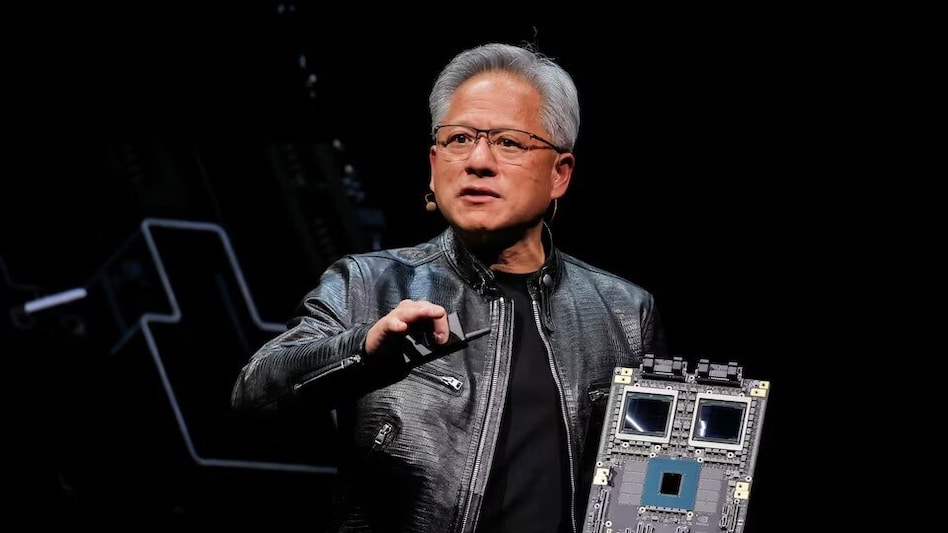
Trump Open to Pardon for Nvidia's Huang Amid Controversies
As Nvidia’s CEO Jensen Huang faces intense scrutiny from Congress regarding alleged ties to China and possible export co...
Business Today | Nov 25, 2026, 02:40
Nvidia's CEO Dismisses Succession Planning Amid Controversy
Nvidia's co-founder and CEO, Jensen Huang, recently addressed employees in a comprehensive all-hands meeting, touching o...
TechCrunch | Nov 24, 2026, 22:50
Maple Secures $5.3 Million to Revolutionize Data Privacy in AI
As artificial intelligence becomes increasingly capable of accessing sensitive information such as files, emails, and ca...
TechCrunch | Nov 24, 2026, 21:30
The Complex Journey of Jensen and Lori Huang: Love, Challenges, and Triumphs
Jensen Huang, the prominent CEO of Nvidia, and his wife Lori have navigated a journey filled with personal and professio...
Business Insider | Nov 24, 2026, 19:05