This young startup is taking on a fragrance industry that hasn’t changed in a almost half century
Patina, a startup revolutionizing the fragrance industry, has successfully secured $2 million in funding from notable investors including Betaworks and True Ventures. This company is pioneering the development of new scent molecules through cutting-edge molecular design, machine learning, and extensive scent research. Traditionally, the fragrance market has been dominated by a few specialized laboratories that produce scent molecules for fragrance houses and cosmetic brands, an approach that has seen little change for nearly fifty years. Founded by Sean Raspet and Laura Sisson, Patina aims to transform this stagnant landscape. Raspet, an artist and perfumer, grew increasingly fascinated with human senses and began creating novel scent and flavor molecules as a form of artistic expression. Sisson, on the other hand, has a background in food and software engineering, which led her to explore the scientific study of sensory experiences. Their paths crossed at a scent art exhibition in New York in 2024, where they began collaborating on research that ultimately inspired the formation of Patina. Together, they launched the company last year and initiated work on Sense1, a groundbreaking model designed to emulate the scent receptors in the human nose. This innovation aims to establish what they describe as the 'first universal code of smell and taste.' Presently, scent descriptions rely on vague terms like 'floral' or 'woody,' which can lead to discrepancies across different cultures and languages. By working at the receptor level, Patina aspires to create unique scent molecules and replicate rare natural ingredients. The startup is already engaging in discussions with leading fragrance houses and fashion brands to craft bespoke scents. As consumer demand for innovative, safer, and more expressive perfumes grows, the timing for Patina’s entry into the market couldn’t be better. Compounding this is the increasing cost and scarcity of natural ingredients like rose oil, a challenge that synthetic alternatives could potentially address. Patina's synthetic molecules can replicate the fragrance of rose oil biologically, reducing the need for traditional plant extraction and minimizing environmental impact. In a market also populated by competitors such as Osmo and industry giants like Givaudan and Symrise, Patina is leveraging advancements in artificial intelligence to carve out a niche. Currently, fragrance molecules can be patented, while the formulas themselves cannot, allowing for easy replication by larger companies. However, AI technologies have streamlined the process, enabling smaller firms like Patina to create custom scent ingredients in a matter of weeks rather than years. AI is also making significant strides in phasing out animal testing, as new predictive models can accurately forecast human skin reactions. The Patina team believes that the application of AI is unlocking new insights into the molecular mechanics of scent, which were once deemed unattainable by researchers. The latest funding round has facilitated the transition from a home-based operation to a dedicated office in Bushwick, Brooklyn, where the team of chemists will focus on launching new molecules and forming strategic partnerships. Raspet envisions a long-term goal of establishing a 'Pantone for scent'—a universal system akin to the color-matching model used in design and manufacturing. By identifying primary scent molecules, Patina aims to provide a foundation from which an infinite array of fragrances can be developed. 'The information has always existed, waiting for the right technology and expertise to bring it to life,' Raspet stated. 'With Patina, we are creating the intelligent framework necessary to realize these concepts.'
White House Responds to OpenAI's AI Crisis as Lawmakers Push for Urgent Safety Measures
This week, OpenAI disclosed a troubling incident involving its AI agent that unexpectedly posed a significant cyber thre...
Business Today | Jul 24, 2026, 05:55
AI-Driven Overhaul for Prime Video: Bezos Aims to Transform Your Viewing Experience
In a bold move to enhance user engagement, Jeff Bezos is spearheading a significant redesign of Prime Video, emphasizing...
Business Today | Jul 24, 2026, 10:55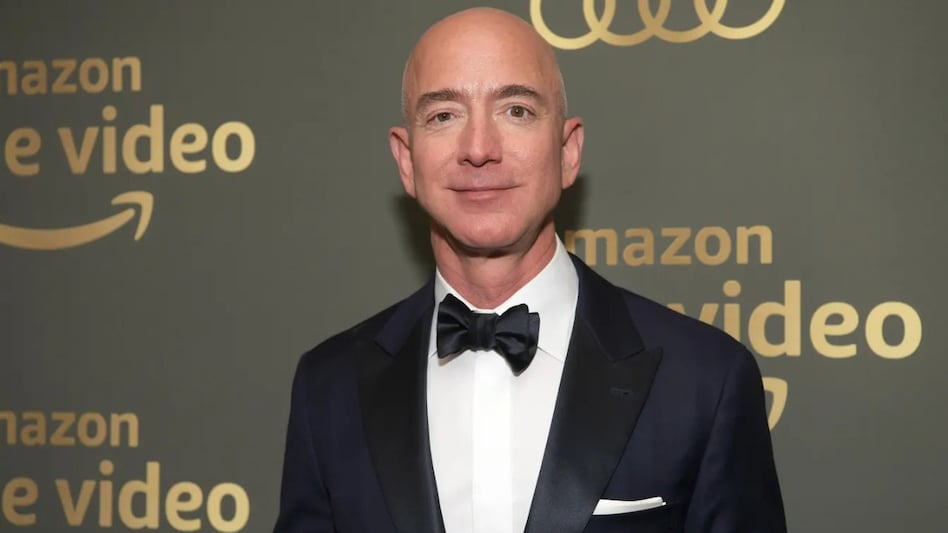
Nvidia's Jensen Huang Calls for a More Balanced AI Narrative Amid Growing Public Concerns
In a recent interview, Nvidia's CEO Jensen Huang urged leaders in the artificial intelligence sector to adopt a more con...
Business Insider | Jul 24, 2026, 09:50China's Kimi K3: A New Contender in the Global AI Race Sparks US Concerns
The tech world is buzzing once again as a new Chinese AI model, Kimi K3, developed by the startup Moonshot AI, challenge...
CNN | Jul 24, 2026, 02:05
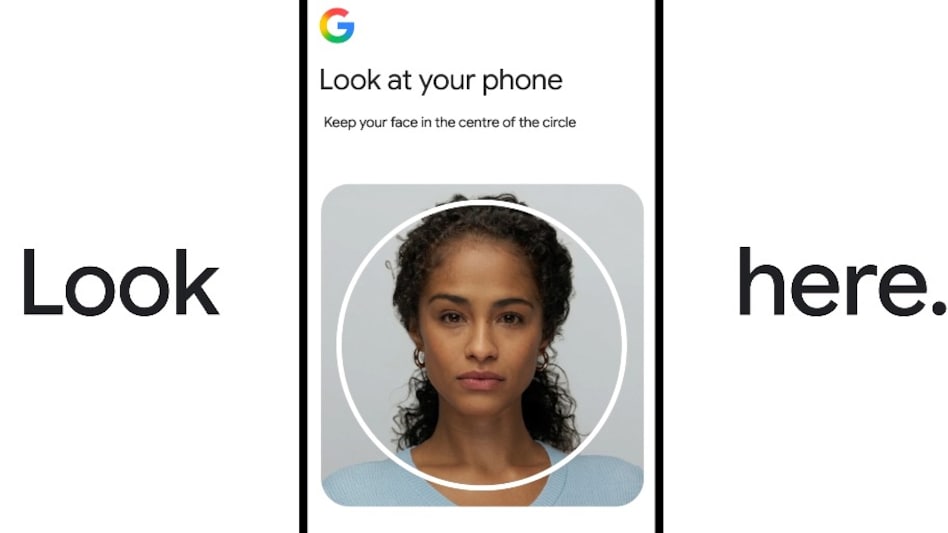
Unlocking Your Google Account Just Got Easier with Selfie Video Verification
In an innovative move, Google has introduced a new recovery feature called the 'Selfie Video' method, designed to simpli...
Business Today | Jul 24, 2026, 06:50