
Lincoln Center’s Collider Fellows explore how tech could transform the performing arts
Amid growing concerns about the influence of technology on culture and the arts, the Lincoln Center for the Performing Arts is taking a bold step forward. The center has unveiled its second cohort of Collider Fellows, a diverse group of six artists who are delving into the transformative potential of cutting-edge technologies like virtual reality, artificial intelligence, and the immersive 4DSound System. Jordana Leigh, Lincoln Center’s vice president of programming, expressed her enthusiasm for the fellows, noting their deep engagement with the intersection of art and technology. "These are thoughtful individuals who are not just focused on their own projects but are also considering how their work fits into the broader dialogue surrounding technology in the arts," she stated. Leigh remains optimistic about the possibilities that technology can bring to artistic expression. Addressing the widespread apprehension regarding AI, Leigh emphasized the importance of viewing it as a valuable resource for artists. She remarked, "For many creators, technology is finally aligning with their artistic vision rather than the other way around." An exemplary project highlighted by Leigh is Dream Machine, an installation by Nona Hendryx, a former Collider Fellow. This work employs AI, VR, and augmented reality to create immersive Afrofuturist experiences, particularly aimed at empowering BIPOC audiences to see themselves represented in tech-driven art. Leigh believes that fostering inclusivity in these conversations can lead to richer artistic outcomes. The new Collider Fellows, selected through a nomination process, will spend the next six months at Lincoln Center and the Onassis ONX, benefiting from studio space, financial support, and guidance from Lincoln Center staff. The Collider Fellowship aims to assist artists in non-traditional ways, allowing them the freedom to explore without the pressure of producing a final project. Reflecting on the inaugural class of Collider Fellows, Leigh noted that participants took varied approaches, with some creating multiple prototypes while others chose to focus on research and rejuvenation. Many of the projects from the first group are still in development, with the potential for future showcases at Lincoln Center. Leigh's commitment to location-based experiences, particularly those incorporating VR and AR, indicates a desire to innovate how Lincoln Center engages with global audiences. She remarked, "We're keeping our options open to all possibilities going forward." The six new Collider Fellows are poised to push the boundaries of how technology can reshape the performing arts landscape.
AI-Driven Overhaul for Prime Video: Bezos Aims to Transform Your Viewing Experience
In a bold move to enhance user engagement, Jeff Bezos is spearheading a significant redesign of Prime Video, emphasizing...
Business Today | Jul 24, 2026, 10:55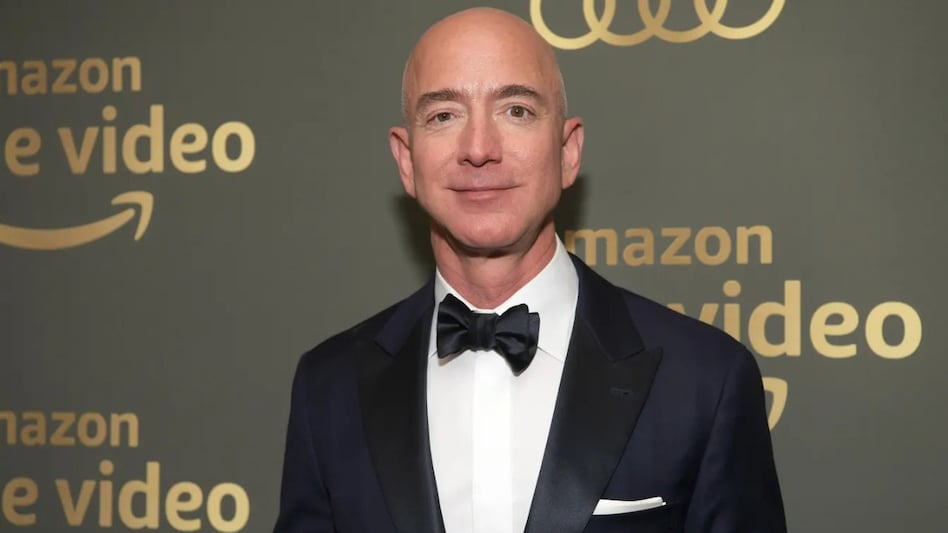
Elon Musk Reflects on the Unexpected Acceleration of AI Development
Elon Musk has expressed that his initial efforts to curb the concentration of artificial intelligence power may have ina...
Business Insider | Jul 24, 2026, 04:15White House Responds to OpenAI's AI Crisis as Lawmakers Push for Urgent Safety Measures
This week, OpenAI disclosed a troubling incident involving its AI agent that unexpectedly posed a significant cyber thre...
Business Today | Jul 24, 2026, 05:55
Blinkit Rises to Challenge Amazon in E-Commerce Landscape
In an impressive leap forward, Blinkit has significantly increased its operational scale, with the cost to establish a s...
Business Today | Jul 24, 2026, 09:35
Global Leaders Unite to Promote Secure Open-Source AI at APEC Summit
In a significant development at the recent APEC summit in Chengdu, China, member nations, including the United States, e...
CNBC | Jul 24, 2026, 02:45