Some of the buzziest names in superintelligence, media, health, and longevity get real about AI and grind culture
In an insightful gathering at San Francisco's Exploratorium, industry leaders from diverse fields came together to explore the evolving landscape shaped by artificial intelligence. Hosted by Business Insider, The Long Play event attracted around 150 participants, including Asana's CEO Dan Rogers and former NFL player Damian Vaughn, who now works as an executive coach. The evening's discussions revolved around pressing questions: Will AI render certain jobs obsolete? How will industries like Hollywood and healthcare adapt to this technological revolution? Key figures like Axiom Math CEO Carina Hong and film producer Jason Blum shared their perspectives on the implications of AI in their respective sectors. Rogers highlighted the integral role AI plays in his daily operations, describing it as a "day-to-day companion" that assists with summarizing information and conducting research. He emphasized the importance of choosing dynamic companies rather than merely focusing on job titles in a rapidly evolving tech environment. Outside of work, Rogers stressed the need for a consistent exercise routine, considering it non-negotiable for maintaining health. Hong, a Rhodes scholar, discussed the potential of AI, asserting that the most effective systems will be those capable of verifying their own outputs. She raised concerns about the reliability of current AI models, emphasizing the necessity of human oversight, particularly in critical areas like healthcare. The conversation also touched on the growing value of human judgment in the age of AI. Talha Khan, CEO of Seda, underscored that providing context and insight to AI systems enhances the uniqueness of their outputs. Carmen Li, CEO of Silicon Data, noted the importance of discerning between AI-generated responses that are flattering and those that are accurate. In the healthcare domain, Joanna Strober, founder of Midi Health, pointed out the limitations of generic chatbots in delivering accurate women's health information. She believes that while AI could assist in answering health-related queries, the human element of empathy will remain essential in patient care. Meanwhile, Blum expressed skepticism about AI's potential to enhance filmmaking, arguing that the technology competes more with user-generated content than with traditional creators. His recent collaborations with AI for producing content have left him unconvinced that it will improve the quality of movies. As discussions about grind culture and its impact on personal lives emerged, longevity advocate Bryan Johnson urged young professionals to prioritize health and well-being over relentless work schedules. He argued for a balanced life that includes personal connections and self-care. As these leaders shared their insights, one theme remained clear: while AI continues to disrupt industries, the balance between technology and human intuition is crucial as we navigate this new landscape.
Vision Breakthrough: US Startup Launches Groundbreaking Retina Chip in Europe
Science Corp is poised to introduce a revolutionary retina chip in Europe, designed to restore partial vision for indivi...
Business Today | Jul 25, 2026, 01:00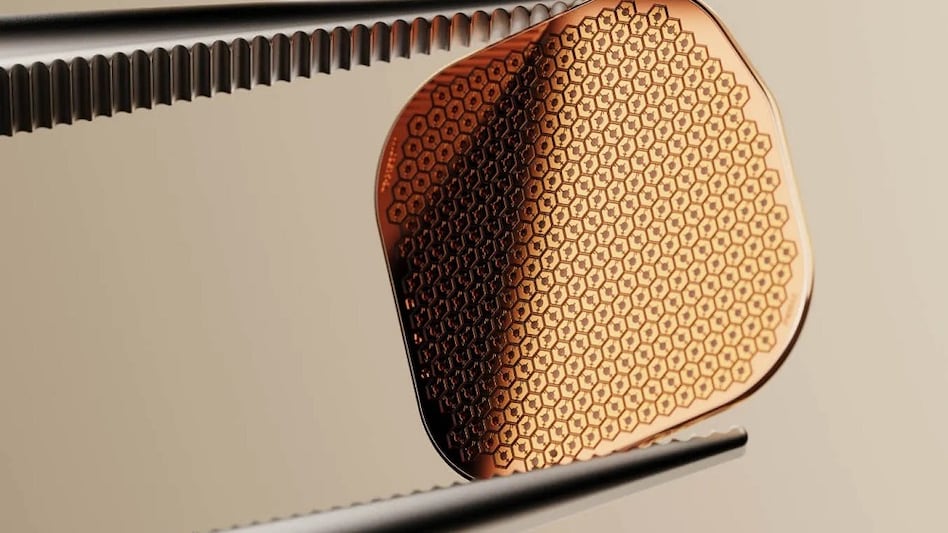
Shifting Focus: The Cost-Effectiveness of AI Models Takes Center Stage
In recent years, the AI sector has been intensely focused on identifying the most advanced models. While this pursuit re...
Business Insider | Jul 25, 2026, 13:10The Boring Company Eyes $4 Billion Funding Boost Amid Expanding Tunnel Ventures
Elon Musk's tunneling enterprise, The Boring Company, is reportedly negotiating a substantial funding round of $4 billio...
TechCrunch | Jul 25, 2026, 19:50
The Rise of AI Distillation: A Controversial Technique Sparks Debate in Tech and Government
In recent discussions, a once-obscure topic in artificial intelligence has surged to the forefront of debates among tech...
CNBC | Jul 25, 2026, 12:15
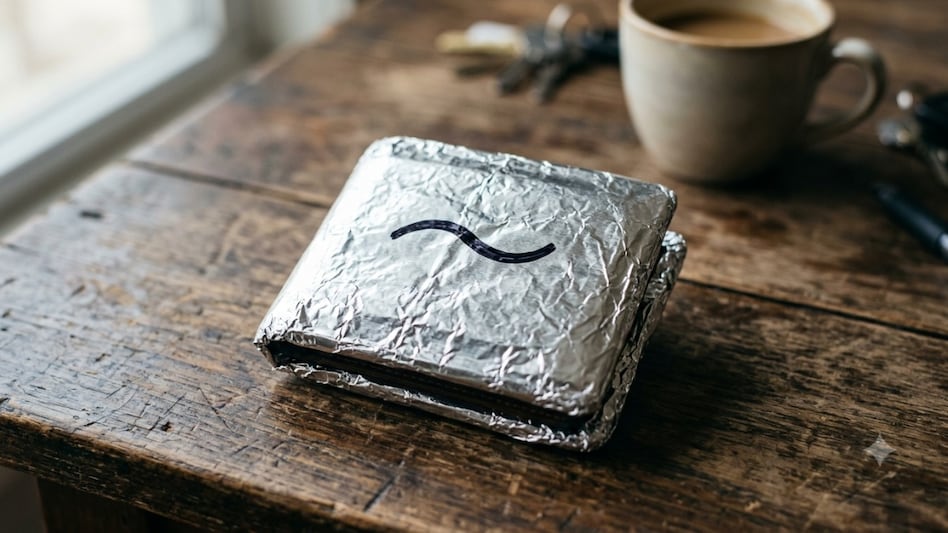
The Aluminum Foil Trend: A DIY Shield Against Wireless Identity Theft
Have you noticed an unusual trend where people are wrapping their wallets in aluminum foil? This peculiar practice has e...
Business Today | Jul 25, 2026, 02:45