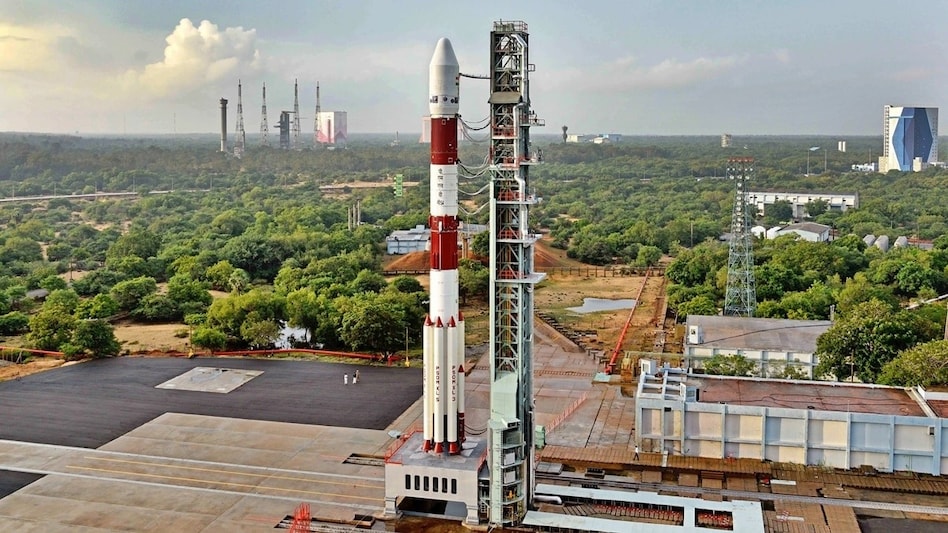
Indian space startups surge past 400 since 2014, MoS Jitendra Singh tells Parliament
India's space startup landscape has seen an extraordinary surge, with registered companies jumping from a mere one in 2014 to over 400 today. This remarkable growth highlights the increasing involvement of the private sector in a field that has traditionally been under government control. During a recent address in the Lok Sabha, Jitendra Singh, the Minister of State for Personnel, Public Grievances and Pensions, attributed this expansion to a series of policy reforms and financial initiatives designed to stimulate the space economy. He noted that the Indian space startup ecosystem has garnered investments exceeding $500 million, with private enterprises now playing pivotal roles across all facets of space technology, including upstream, midstream, and downstream operations. Among the notable startups that have emerged since 2014 are Pixxel, Dhruva, Skyroot Aerospace, Agnikul Cosmos, and Bellatrix Aerospace. The government has introduced several supportive measures over recent years, including the Indian Space Policy in 2023 and revised foreign direct investment regulations. Additional support mechanisms like the IN-SPACe Seed Fund Scheme and the Pre-incubation Entrepreneurship (PIE) programme have also been established to nurture growth in this sector. Further enhancing the funding landscape, a venture capital fund worth Rs 1,000 crore was launched in 2024, alongside a Rs 500 crore Technology Adoption Fund initiated in 2025. The minister highlighted that private firms have begun showcasing their launch capabilities, with two companies successfully conducting sub-orbital missions in November 2022 and May 2024. In total, six private entities have collectively managed to launch 18 satellites into orbit, and the government has enabled private payloads to utilize the PSLV Orbital Experimental Module (POEM), facilitating 25 payloads either flown or set to fly for testing spaceflight readiness. Currently, 25 companies are engaged in testing satellites or subsystems in orbit through these platforms. To enhance launch capacity, India has also transferred technology for the Small Satellite Launch Vehicle (SSLV) to Hindustan Aeronautics Ltd. Additionally, a public-private partnership model has been established for the creation of an Earth Observation satellite constellation, with plans set for 2026. State governments are recognizing the potential of space as a burgeoning sector, implementing incentive programs to attract companies. Singh emphasized the government's commitment to achieving self-reliance in all areas of space technology, showcasing the vital role that private industry is beginning to play in India's ambitious space endeavors.
Market Shifts Amid Tariff Changes and Tech Earnings
Good morning and happy Friday! As the weekend approaches, whether you're catching a play or diving into video games, it’...
CNBC | Jul 24, 2026, 12:25
AI Leaders Urge Caution on Potential Restrictions Amid US-China Tensions
A collective of prominent AI firms, including Hugging Face, Meta, Microsoft, Mistral, and Nvidia, has issued an open let...
TechCrunch | Jul 24, 2026, 16:15
Infosys Appoints Veteran Leader to Navigate the AI Landscape
Infosys has made a significant move by naming Ashiss Kumar Dash, a long-time company insider, as its next Chief Executiv...
Business Today | Jul 24, 2026, 15:25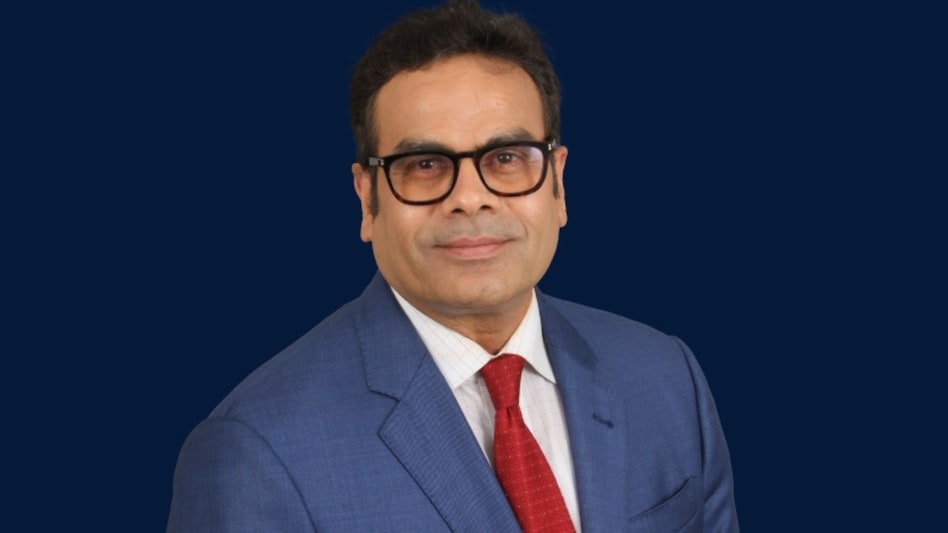
Fremont Emerges as a Robotics Hub: The Rise of Agility Robotics and Its Ambitious Plans
In a surprising turn of events, Fremont, a city traditionally known for its industrial parks, is rapidly becoming a foca...
Business Insider | Jul 24, 2026, 08:25Midjourney Expands Horizons with Acquisition of Co-Star Astrology App
In a significant move to diversify its offerings, Midjourney, the AI lab renowned for its innovative image and video gen...
TechCrunch | Jul 24, 2026, 15:25