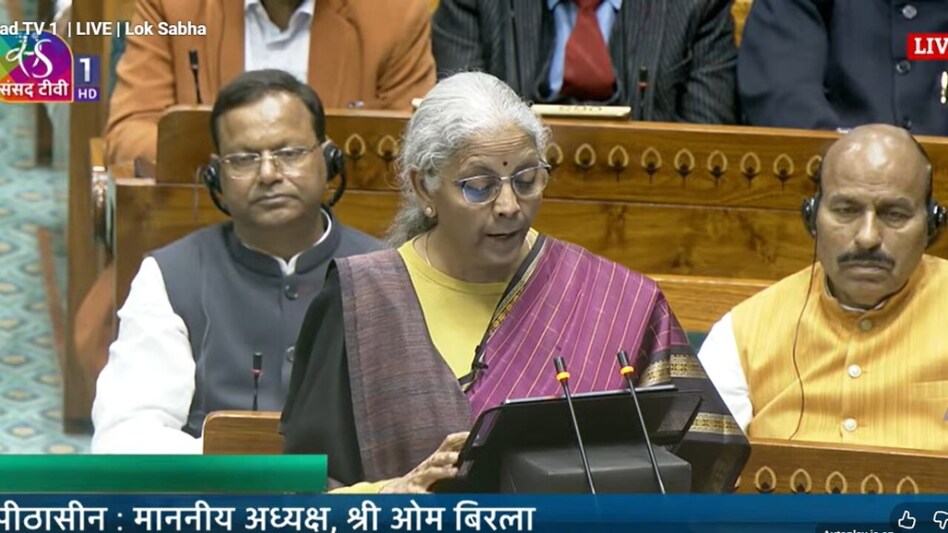
Budget 2026: Nirmala Sitharaman unveils Semiconductor Mission 2.0, widens chip push to equipment, materials and IP
On February 1, Finance Minister Nirmala Sitharaman announced a transformative initiative aimed at bolstering India's semiconductor industry. During her presentation of the 2026 budget to the Lok Sabha, she introduced the India Semiconductor Mission 2.0, which marks a significant expansion of the country’s efforts beyond mere chip fabrication. This new approach focuses on enhancing the entire semiconductor ecosystem by prioritizing the domestic production of essential equipment and materials, as well as promoting the design of indigenous intellectual property. Sitharaman emphasized that this revamped program is crucial for strengthening the supply chains within the semiconductor sector. As global companies increasingly seek to diversify their chip supply chains in response to geopolitical challenges and the surging demand driven by advancements in artificial intelligence and computing, India aims to position itself as a viable alternative manufacturing hub. Additionally, the government has raised the allocation for the Electronics Component Manufacturing Scheme to Rs 40,000 crore, highlighting its commitment to not only expand the production of finished electronics but also enhance component-level manufacturing.
Reclaiming Control: Librarians Host Workshops to Help People Navigate AI Tools
In a lively library setting in South Philadelphia, Charlie Bailey, a local librarian, humorously noted, "Everybody’s on ...
TechCrunch | Jul 25, 2026, 16:20
SpaceX's Latest Starlink Launch Marks Milestone Amid Booster Setbacks
On Friday, SpaceX marked a significant achievement by successfully launching its first batch of third-generation Starlin...
TechCrunch | Jul 24, 2026, 23:40
Prentis: Ambitious New AI Lab Eyes $100 Million Funding with Innovative Automation Goals
Prentis, a cutting-edge AI research laboratory co-founded by Ritankar Das, Reid Hoffman, and Marc Pincus, is currently i...
TechCrunch | Jul 24, 2026, 22:45
Waymo Considers Parting Ways with Uber Amid Rising Tensions
Waymo is reportedly exploring options to exit its partnership with Uber, which has allowed the Alphabet-owned firm to de...
TechCrunch | Jul 24, 2026, 21:00
Shifting Focus: The Cost-Effectiveness of AI Models Takes Center Stage
In recent years, the AI sector has been intensely focused on identifying the most advanced models. While this pursuit re...
Business Insider | Jul 25, 2026, 13:10