
ISM 1.0 gave India a seat at the chip table. ISM 2.0 will decide if it stays there
Within the semiconductor industry, there's a well-known adage: "Anyone can announce the creation of a fabrication facility, but few can actually build and maintain one." This skepticism loomed large when India introduced its semiconductor ambitions through the India Semiconductor Mission (ISM) in December 2021. Many experts in the global market viewed it as yet another ambitious policy initiative likely to falter after mere announcements, especially given India's past struggles with semiconductor manufacturing, which had often stalled at the approval stage. Fast forward five years, and while doubts persist, perceptions of India are evolving. With 12 semiconductor projects approved under ISM 1.0—including fabrication, assembly, testing, and packaging—India is increasingly seen as a potential hub for semiconductor manufacturing. Sanchit Vir Gogia, Chief Analyst and CEO of Greyhound Research, notes that ISM 1.0 marked a significant step forward, transforming semiconductor policy from mere rhetoric to tangible action. India is gaining traction in areas like fabrication, advanced packaging, and semiconductor design incentives. Yet, experts warn that the real challenge lies ahead with ISM 2.0, which will determine if India can cultivate a sustainable semiconductor industry or remain merely an investment hotspot. "Success in the semiconductor sector isn’t measured by grand announcements or even approved funding. It’s about actual production, improved yields, customer validation, and supplier collaboration," Gogia emphasized. The transition to ISM 2.0 is crucial. Industry insiders agree that while attracting initial investments was relatively straightforward, the next phase will be much more demanding. The focus must now shift toward nurturing a comprehensive semiconductor ecosystem capable of withstanding market fluctuations, supply chain disruptions, and geopolitical uncertainties. Ashok Chandak, President of the Indian Electronics & Semiconductor Association (IESA), stresses that ISM 2.0 should prioritize the development of supply chains for semiconductor-grade materials and advanced manufacturing infrastructure to enhance domestic production capabilities and reduce dependence on imports. Moreover, a significant aspect of ISM 2.0 will be enhancing India's design-led semiconductor ecosystem through support for fabless startups, indigenous intellectual property creation, and innovations in AI hardware. Customer qualification remains a critical hurdle, as sectors like automotive and medical electronics demand stringent standards before approving suppliers. As ISM 2.0 takes shape, stakeholders are calling for a substantial increase in financial backing, suggesting that an extension of the original $10 billion subsidy could be necessary to support the burgeoning semiconductor ecosystem in India. Learning from the experiences of other Asian nations, experts suggest that India needs to build a robust ecosystem that can sustain multiple generations of semiconductor manufacturing. Countries like China and Singapore have demonstrated that simply investing capital isn’t enough; long-term planning and infrastructure development are essential. While India is being recognized as a serious contender in the global semiconductor arena, industry leaders caution that delays in launching ISM 2.0 could jeopardize this momentum. As global players weigh their expansion options in India, they are looking for clear policies and commitments before making significant investments in the country’s semiconductor landscape. In conclusion, while ISM 1.0 secured India a place at the semiconductor table, the upcoming ISM 2.0 will be pivotal in determining whether India can maintain its position or fall behind in this critical industry.
The Boring Company Eyes $4 Billion Funding Boost Amid Expanding Tunnel Ventures
Elon Musk's tunneling enterprise, The Boring Company, is reportedly negotiating a substantial funding round of $4 billio...
TechCrunch | Jul 25, 2026, 19:50
The Rise of AI Distillation: A Controversial Technique Sparks Debate in Tech and Government
In recent discussions, a once-obscure topic in artificial intelligence has surged to the forefront of debates among tech...
CNBC | Jul 25, 2026, 12:15
OpenAI's Micro Keypad: A Novelty for Coders or Just a Confounding Gadget?
Last week, OpenAI made its debut in the hardware landscape with the launch of Micro, a stylish keypad designed to integr...
TechCrunch | Jul 25, 2026, 24:40
Vision Breakthrough: US Startup Launches Groundbreaking Retina Chip in Europe
Science Corp is poised to introduce a revolutionary retina chip in Europe, designed to restore partial vision for indivi...
Business Today | Jul 25, 2026, 01:00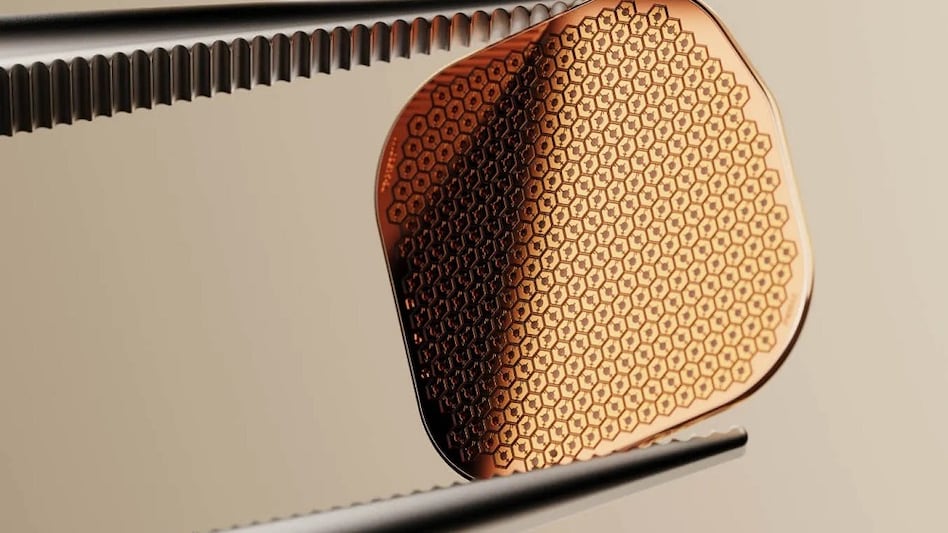
Prentis: Ambitious New AI Lab Eyes $100 Million Funding with Innovative Automation Goals
Prentis, a cutting-edge AI research laboratory co-founded by Ritankar Das, Reid Hoffman, and Marc Pincus, is currently i...
TechCrunch | Jul 24, 2026, 22:45