
India court rejects X’s “free speech” argument, backs government takedown powers
In a pivotal legal decision, an Indian court has rejected X's challenge against the government's content takedown orders, affirming that the platform, as a foreign entity, lacks constitutional free speech rights under Indian law. The Karnataka High Court ruled on Wednesday that Article 19 of the Indian Constitution, which protects freedom of expression, is applicable only to Indian citizens. This ruling is a significant development in India's assertive stance towards regulating global technology firms. The case was initiated by X in March, contesting a series of directives from the Indian government that mandated the platform to block specific accounts and content, including material critical of government policies. Central to the dispute was the government’s “Sahyog” portal, launched in October, which enables authorities to directly instruct social media companies to remove deemed unlawful content. Described by X as a "censorship portal," the company argued that the process lacked transparency and infringed on free expression principles. Senior Judge M Nagaprasanna emphasized in his ruling that the protections afforded by Article 19 are reserved for citizens of India, stating, "The petitioner who seeks sanctuary under its canopy must be a citizen of the nation, failing which the protective embrace of Article 19 cannot be invoked." This ruling coincides with Elon Musk's growing investments in India, including the recent launch of Tesla operations and the approval of his satellite internet service, Starlink. With India boasting the second-largest internet user base globally and a government aiming for 30% electric vehicle adoption by 2030, Musk's interests in the country are strategically significant. While X has not publicly commented on the ruling, legal expert Kazim Rizvi from The Dialogue think tank opined that the court's decision may enhance coordination between the government and tech platforms. However, he warned against making due diligence a blanket obligation, particularly regarding takedown requests that bypass established legal safeguards. The frequency of content removal orders in India has surged in recent years, particularly during events like the nationwide farmers' protests from 2020 to 2021, which saw a spike in social media activity that the government aimed to regulate. The Sahyog portal was introduced to streamline the removal of unlawful content from social media, with companies like Microsoft, Google, Meta, and LinkedIn already utilizing it to comply with government requests. Despite the ruling, X has indicated that it would appeal to the Supreme Court. However, some legal analysts suggest that the higher court may uphold the same reasoning as the Karnataka High Court. The court is expected to release the official order on Thursday, providing further clarity on the implications of this landmark decision.
Flipkart Enters the Food Delivery Arena, Challenging Major Competitors
Walmart's e-commerce powerhouse, Flipkart, is gearing up to launch its own food delivery platform, igniting competition ...
Business Today | Jul 24, 2026, 07:15
India Takes Action Against Jack Dorsey's Bitchat App Amid Protests
In a significant move, India's cybercrime agency, the Indian Cyber Crime Coordination Centre (I4C), has mandated GitHub ...
Business Today | Jul 24, 2026, 10:25
Why the iPhone 17 is the Smart Choice Ahead of the iPhone 18 Launch
As Apple gears up for the release of its latest iPhone models, including the iPhone 18 Pro and the first foldable varian...
Business Today | Jul 24, 2026, 09:35
AI-Driven Overhaul for Prime Video: Bezos Aims to Transform Your Viewing Experience
In a bold move to enhance user engagement, Jeff Bezos is spearheading a significant redesign of Prime Video, emphasizing...
Business Today | Jul 24, 2026, 10:55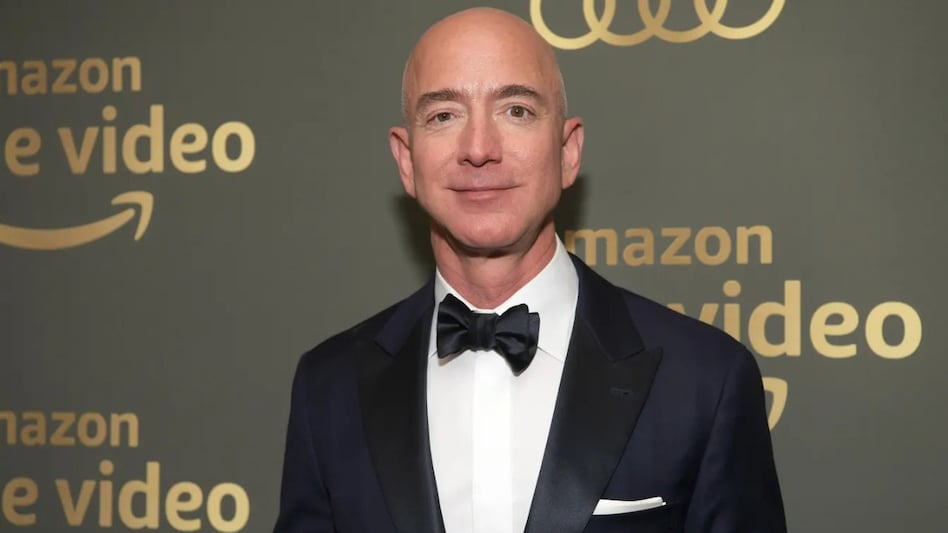
China's Memory Chip Giant CXMT Set to Challenge Market Dynamics with Major IPO
ChangXin Memory Technologies (CXMT), China's leading memory chip manufacturer, is preparing for a significant public lis...
CNBC | Jul 24, 2026, 02:15