
India takes the first shot at regulating AI
In a significant move towards regulating artificial intelligence, the Indian government has proposed new guidelines aimed at curbing the misuse of AI-generated content online. The Ministry of Electronics and Information Technology (MeitY) announced these rules, which will require social media platforms to ensure that their users disclose any content that has been generated or altered by AI. Under the proposed regulations, social media intermediaries will be responsible for labeling AI content, with requirements for visible watermarks and labels covering at least 10% of the content's duration or size. Companies that fail to proactively flag violations may risk losing their safe harbor protections. Industry stakeholders have been invited to provide feedback on these draft amendments until November 6, as part of an ongoing effort to address the concerns surrounding deepfake technology and its implications. The increase in deepfake content—fabricated material that mimics a person’s appearance, voice, and mannerisms—has raised alarms, especially with the advent of advanced tools like OpenAI’s ChatGPT and Google’s Gemini. Union IT Minister Ashwini Vaishnaw emphasized that these amendments aim to enhance accountability among users, corporations, and the government in response to the growing prevalence of deepfakes. Enforcement will be overseen by officials of joint secretary rank and above, with additional measures in place for addressing take-down requests from law enforcement. The government has consulted leading AI companies, which have expressed that using metadata to identify AI-altered content is feasible. The proposed regulations are a proactive step in ensuring transparency and trust in online information. According to Dhruv Garg, a founding partner at the India Governance and Policy Project, the amendments are crucial for addressing the complexities of AI governance in the digital landscape. However, he cautioned that any regulatory framework must strike a balance between authenticity and freedom of expression, ensuring that legitimate artistic and creative uses of synthetic media are not inadvertently restricted. The parliamentary standing committee on home affairs has also underscored the need for a robust legal framework to manage AI-generated content, suggesting that all digital media should feature a watermark to verify its origin. This recommendation aims to mitigate the risks of content manipulation and enhance media provenance standards. Recent court cases have highlighted the rising issue of AI misuse, with the Delhi High Court issuing interim orders to protect individuals from unauthorized AI-generated deepfake content. High-profile figures like film producer Karan Johar and actress Aishwarya Rai Bachchan have successfully sought legal protection against identity misuse driven by AI technologies. The urgency of these regulations was echoed by Union Finance Minister Nirmala Sitharaman at the Global Fintech Fest, where she addressed the burgeoning threat of deepfake videos. As the digital landscape evolves, these new regulations reflect India's commitment to navigating the challenges posed by artificial intelligence in a responsible and accountable manner.
Flipkart Enters the Food Delivery Arena, Challenging Major Competitors
Walmart's e-commerce powerhouse, Flipkart, is gearing up to launch its own food delivery platform, igniting competition ...
Business Today | Jul 24, 2026, 07:15
AI-Driven Overhaul for Prime Video: Bezos Aims to Transform Your Viewing Experience
In a bold move to enhance user engagement, Jeff Bezos is spearheading a significant redesign of Prime Video, emphasizing...
Business Today | Jul 24, 2026, 10:55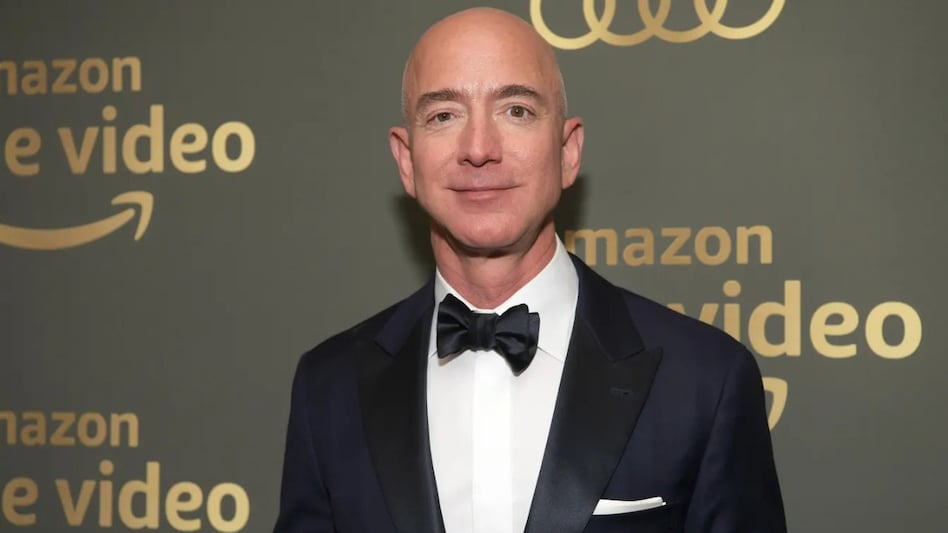
China's Memory Chip Giant CXMT Set to Challenge Market Dynamics with Major IPO
ChangXin Memory Technologies (CXMT), China's leading memory chip manufacturer, is preparing for a significant public lis...
CNBC | Jul 24, 2026, 02:15
Elon Musk's Ambitious Leap: Can Tesla's Optimus Robot Revolutionize Work and Life?
Elon Musk has transformed Tesla into a leading automotive giant, but now he is staking the company's future on a groundb...
Business Insider | Jul 24, 2026, 09:10China's Kimi K3: A New Contender in the Global AI Race Sparks US Concerns
The tech world is buzzing once again as a new Chinese AI model, Kimi K3, developed by the startup Moonshot AI, challenge...
CNN | Jul 24, 2026, 02:05