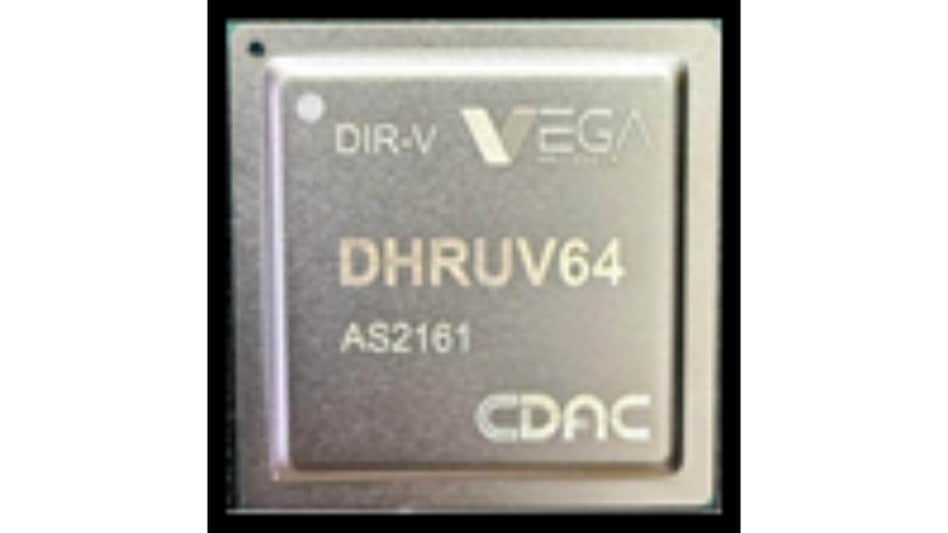
India unveils Dhruv64 homegrown microprocessor: A major step towards digital self-reliance
In a significant milestone for its technology sector, India has introduced the Dhruv64, the nation’s inaugural indigenous 1.0 GHz, 64-bit dual-core microprocessor. This advancement reflects India's commitment to achieving self-reliance in vital technology areas, particularly in defense and high-performance computing. Developed by the Centre for Development of Advanced Computing (C-DAC) as part of the government's Microprocessor Development Programme (MDP), the Dhruv64 is a key component of ongoing initiatives, including the Digital India RISC-V programme. These initiatives aim to facilitate the design, testing, and prototyping of microchips created entirely within the country. The Dhruv64 stands out for its impressive technical specifications. While previous Indian projects focused on smaller-scale chips, this new 64-bit architecture and dual-core design represent a significant advancement in processing power and practical applications. Its modern architecture enables a broader range of functionalities, from embedded systems to complex high-performance computing tasks, effectively enhancing India’s technological capabilities. This homegrown microprocessor is not just a technological marvel; it holds substantial commercial and strategic significance. By offering a domestic alternative, the Dhruv64 aims to bolster India's processor supply chain, which has historically depended on foreign innovations. As India accounts for 20% of the global microprocessor consumption, this chip presents a secure, locally developed option for industries, academia, and startups, thereby reducing reliance on imported processors, especially in critical infrastructure sectors like defense. Looking ahead, the success of the Dhruv64 has set the stage for the development of the next generation of local processors, such as the Dhanush and Dhanush+ chips. These forthcoming innovations are expected to further enhance India's self-sufficiency in strategic technology, while the momentum generated by Dhruv64 is likely to attract more local investments and foster innovation, solidifying India's position in the global semiconductor landscape.
Arsenal Seeks AI Engineer to Revolutionize Football Strategy
Arsenal Football Club is on the lookout for a unique addition to its team—not a player, but a research engineer to spear...
Business Today | Jul 24, 2026, 17:20
Waymo Considers Parting Ways with Uber Amid Rising Tensions
Waymo is reportedly exploring options to exit its partnership with Uber, which has allowed the Alphabet-owned firm to de...
TechCrunch | Jul 24, 2026, 21:00
Rising Concerns in Bond Market as AI Investments Surge
Investors are growing increasingly uneasy about the substantial capital required to realize the ambitions of artificial ...
CNBC | Jul 24, 2026, 20:15
The High Stakes of Young Entrepreneurship: Balancing Ambition and Pressure
At just 19, Arlan Rakhmetzhanov embodies the relentless spirit of youth entrepreneurship. He believes there’s no in-betw...
TechCrunch | Jul 24, 2026, 17:40
Legal Battle Erupts Over 'Duress' Password in Groundbreaking Data Wiping Case
The U.S. Justice Department has initiated legal proceedings against a Georgia resident, Samuel Tunick, who is accused of...
TechCrunch | Jul 24, 2026, 18:25