No more EV charging hassle? Govt plans UPI-like system for all stations
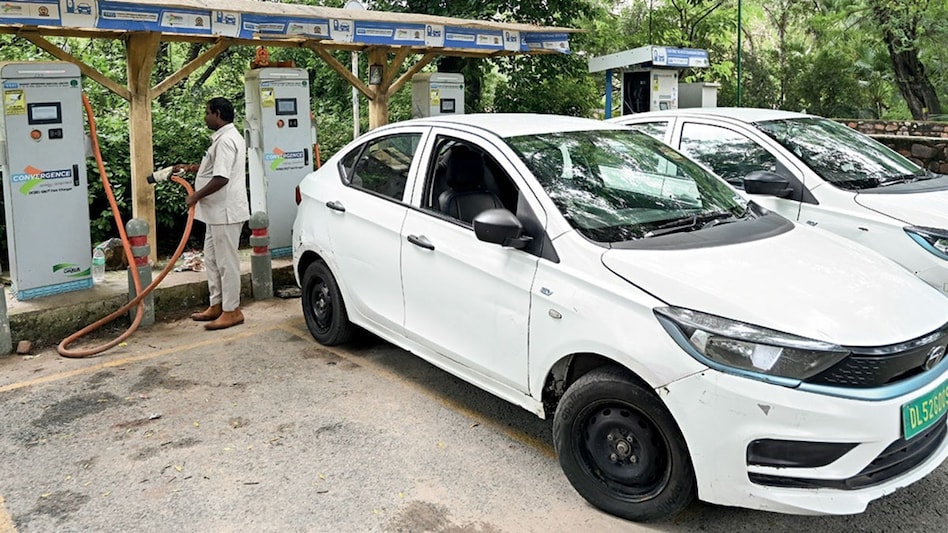
India is embarking on an ambitious initiative to establish a standardized electric vehicle (EV) charging network that will empower EV owners to easily locate, access, and pay at any public charging station, irrespective of the operator. This move mirrors the successful interoperability achieved by the Unified Payments Interface (UPI) in the realm of digital transactions, according to a report from Hindu Business Line. A crucial meeting set for May 12 in Bengaluru, led by Heavy Industries Minister HD Kumaraswamy, will bring together automakers, charging service providers, utility companies, and state officials to discuss this pivotal proposal. As of March 2026, India had installed 27,737 public EV charging stations, with 22,753 of these operational. The current network comprises approximately 20,346 slow chargers and 8,805 DC fast chargers, predominantly in states like Karnataka, Maharashtra, Delhi, and Uttar Pradesh. Despite this growth, the charging landscape remains disjointed, particularly for two- and three-wheelers, where manufacturers have relied on proprietary charging connectors. While electric cars have largely standardized around the CCS2 charging protocol, scooter and e-rickshaw makers have developed their own separate systems, hindering interoperability. However, the introduction of the Light Electric Combined Charging System (LECCS), or Type 7 connector, under IS 17017 standards is paving the way for a more uniform charging infrastructure for smaller EVs. Kausalya Nandakumar, chief business officer of the Emerging Mobility Business Unit at Hero MotoCorp, expressed appreciation for the government's ongoing support in enhancing the EV ecosystem. She emphasized the commitment to align with the COP26 agreements and the Viksit Bharat 2047 vision through a rapid, consumer-centric expansion of EV charging infrastructure. To address existing infrastructure challenges, the government has launched the Rs 10,900 crore PM E-DRIVE scheme, allocating Rs 2,000 crore specifically for public charging and battery-swapping facilities. This initiative aims to install 72,300 charging points, including 48,400 targeted at electric two- and three-wheelers, and 22,100 fast chargers for passenger vehicles. However, as of March 23, 2026, no expenditures had been reported under the charging component, according to a Rajya Sabha disclosure. A senior official from the Ministry of Heavy Industries articulated the vision behind this initiative, stating that the objective is to create "a UPI for EV charging." The next phase, they noted, will prioritize ensuring that any EV owner can smoothly access any charger, akin to how any bank customer can utilize UPI. Furthermore, Bharat Heavy Electricals Ltd is working on a comprehensive "super app" aimed at offering real-time charger availability alongside booking and payment functionalities across stations established under the PM E-DRIVE scheme.
Trump Signals Trade War with EU Over Tech Giants' Fines
In a bold move, President Donald Trump announced on Friday that his administration would initiate a trade investigation ...
CNBC | Jul 24, 2026, 18:15
India's Crackdown on Open-Source Messaging App Raises Legal Concerns
The Indian government's recent initiative to enforce restrictions on Jack Dorsey's offline Bluetooth messaging applicati...
TechCrunch | Jul 24, 2026, 17:10
Infosys Appoints Veteran Leader to Navigate the AI Landscape
Infosys has made a significant move by naming Ashiss Kumar Dash, a long-time company insider, as its next Chief Executiv...
Business Today | Jul 24, 2026, 15:25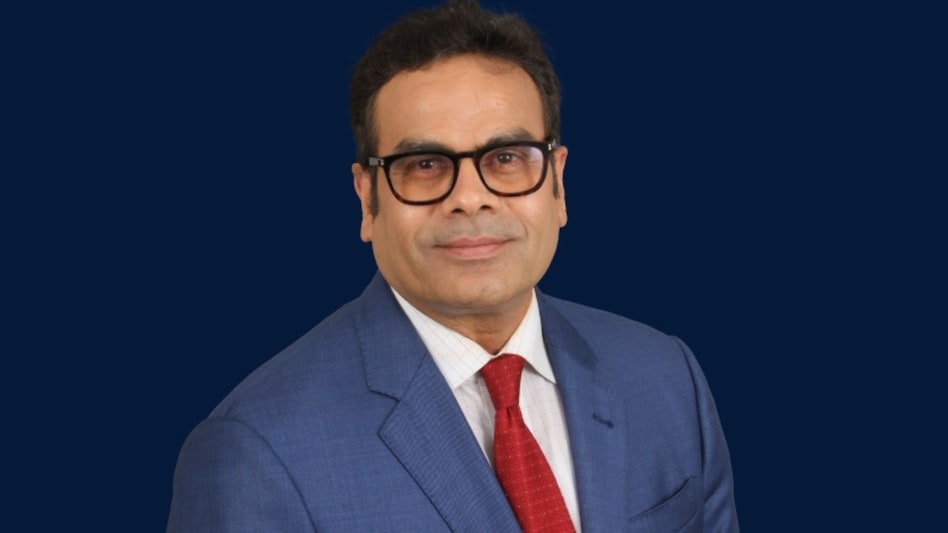
Anthropic Unveils Opus 5: A More Accessible and Powerful AI Model
Anthropic has officially launched its latest AI model, Opus 5, marking a significant addition to its lineup. While it is...
TechCrunch | Jul 24, 2026, 17:10
Moody's Warns of Credit Risks as Tech Giants Ramp Up AI Investments
According to a recent report from Moody's Ratings, the surge in investment towards artificial intelligence infrastructur...
CNBC | Jul 24, 2026, 17:50