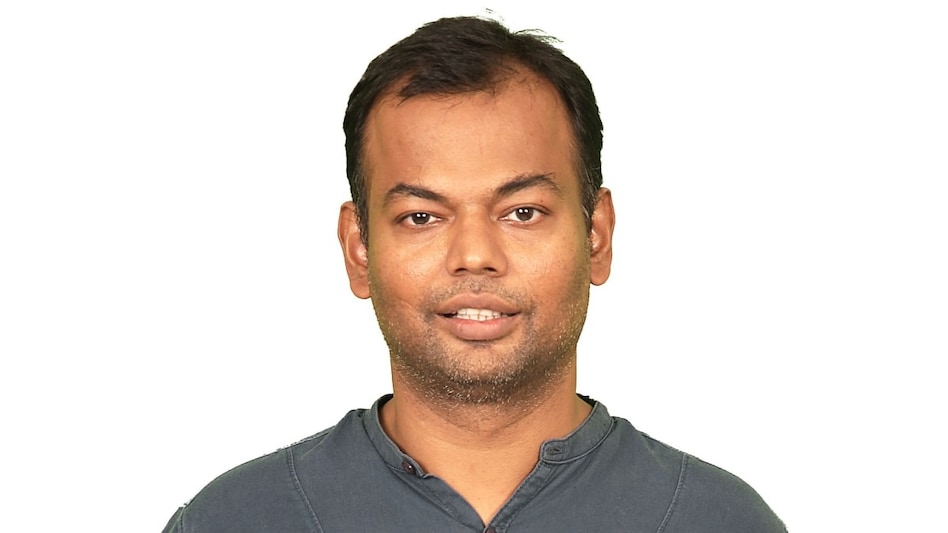
IIT Madras professor Mitesh Khapra joins Elon Musk, Sam Altman on TIME's 100 most influential in AI
TIME magazine's latest roster of the 100 most influential individuals in the realm of artificial intelligence features familiar names like Elon Musk and Sam Altman. However, amidst these industry giants, one figure stands out for his unique contribution: Mitesh Khapra, an associate professor at IIT Madras. This recognition transcends mere fame; Khapra is driven by a profound mission to democratize AI for India's vast population of 1.4 billion, ensuring accessibility in their native languages. At IIT Madras, Khapra has emerged as a transformative force in the field of AI education and research. His expertise in natural language processing and machine learning has shaped the careers of numerous students, many of whom now play pivotal roles in top AI companies worldwide. Yet, it is his co-founding of AI4Bharat in 2019 that stands out as his most impactful achievement. This initiative aims to develop open-source datasets and tools that enable AI systems to comprehend and utilize Indian languages, a task that involves extensive data collection from various regions across the country. AI4Bharat's mission is both ambitious and necessary, reducing India's reliance on English-centric AI models while fostering innovation among students, engineers, and startups to create technology reflective of the nation’s linguistic diversity. The initiative has also become integral to the Government of India's Bhashini mission, which seeks to enhance digital services in Indian languages through AI, with much of its foundational data sourced from AI4Bharat. Khapra emphasizes that the true goal is not ownership, but rather ensuring that AI tools are accessible to all, regardless of language. His influence resonates beyond academia; TIME's editors noted that his work significantly reshapes the landscape of academic research in AI within India. This acknowledgment highlights a crucial shift: India's emerging role in the global AI arena is not about imitating Silicon Valley, but about addressing unique challenges faced by its people. Ultimately, Khapra’s recognition on such a prominent platform signifies that impactful contributions to AI can arise from grassroots efforts, open-source initiatives, and a commitment to inclusivity, rather than solely from high-value startups. His journey illustrates that the future of AI must embrace and reflect the linguistic richness of every community.
OpenAI Faces Leadership Exodus in Safety Sector Amidst Strategic Overhaul
OpenAI is witnessing a significant shift in its safety leadership, as Johannes Heidecke, the head of its Safety Systems ...
Business Insider | Jul 12, 2026, 20:35Meta Withdraws Controversial AI Feature Amid Privacy Concerns
Meta has officially retracted its newly launched feature that enabled users to create AI-generated images using public I...
Business Insider | Jul 11, 2026, 16:50The Legal Face-off: Apple Accuses OpenAI of Trade Secret Theft
In a dramatic turn of events reminiscent of a corporate thriller, Apple has filed a lawsuit against OpenAI, alleging tha...
Business Insider | Jul 11, 2026, 20:50OpenAI Shifts Focus to Family-Centric AI Experiences
In a significant pivot, OpenAI is expanding its target audience from individual users to families as it seeks to enhance...
TechCrunch | Jul 11, 2026, 14:30
Investors Eye Promising Gains in Overlooked Market Sectors
In a recent discussion, ETF Action co-founder Mike Akins urged investors to consider boosting their portfolios with stoc...
CNBC | Jul 11, 2026, 15:15