ICE bought vehicles equipped with fake cell towers to spy on phones
The U.S. Immigration and Customs Enforcement (ICE) has allocated $825,000 to acquire vehicles outfitted with advanced surveillance technologies, including controversial fake cellphone towers known as 'cell-site simulators' that can monitor nearby mobile devices. This procurement, detailed in public records, was finalized on May 8 and aims to enhance the capabilities of ICE’s Homeland Security Technical Operations program. The contract was established with TechOps Specialty Vehicles (TOSV), a Maryland-based firm that has previously partnered with ICE on similar acquisitions. Notably, in September 2024, TOSV secured another contract worth $818,000, indicating a longstanding collaboration that extends beyond the Trump administration. TOSV's president, Jon Brianas, stated that while he could not disclose specific details regarding the contracts due to "trade secrets," he confirmed that the company integrates cell-site simulators into their vehicle designs, although these devices are not manufactured by TOSV itself. This latest contract sheds light on the technologies fueling ICE's enforcement operations, particularly in the context of deportation efforts. In early September, a search warrant revealed that ICE utilized a cell-site simulator to track an individual linked to a criminal gang, who had been ordered to leave the country. Cell-site simulators, often referred to as "stingrays," function by mimicking cellphone towers, tricking nearby phones into connecting to them. This allows law enforcement to pinpoint the real-world locations of devices and their users. Some models can even intercept phone calls, text messages, and online activity. While traditional cellphone tower data can provide location information, it often lacks precision, which is where these advanced devices come into play. The use of stingray technology has sparked significant controversy, mainly due to concerns over privacy violations and the potential for innocent individuals to be affected. Critics argue that law enforcement agencies frequently deploy these devices without securing proper warrants, raising questions about the legality and ethics of their use. ICE’s history with cell-site simulators is well-documented; reports indicate the agency deployed these tools at least 466 times from 2017 to 2019, and over 1,885 times between 2013 and 2017. Despite requests for comments, ICE has not provided clarity on the specific uses of these vehicles, their deployment locations, or their warrant acquisition practices. TOSV specializes in creating a variety of customizable vehicles for law enforcement use, including those designed for SWAT teams and forensic analysis. While their website lists several projects, such as mobile forensic labs and command vans, it remains ambiguous whether the vehicles equipped with cell-site simulators are included in these offerings, as no mention of surveillance technology appears on their site.
Meta Tightens Rules on Smart Glasses to Protect User Privacy on Instagram
Meta has taken a significant step in addressing privacy issues related to smart glasses by implementing new guidelines f...
Business Today | Jul 24, 2026, 11:50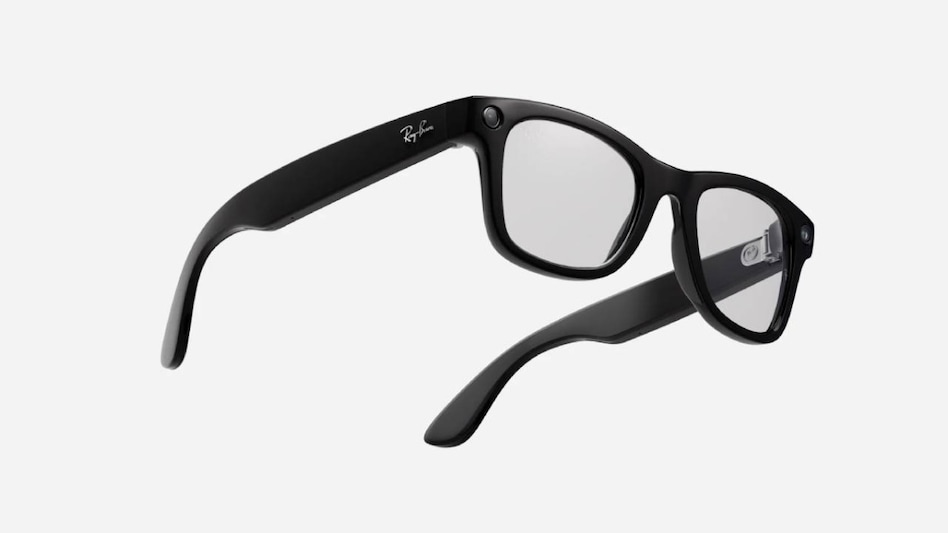
Divorce Drama: Tech Mogul's Ex-Wife Faces Setback in AI Wealth Battle
The surge in wealth from the booming AI industry is reshaping fortunes, yet the former spouse of one of South Korea's le...
CNN | Jul 24, 2026, 05:45
Tech Giants Unite to Advocate for Open AI Models Amid Regulatory Concerns
In a bold move reflecting their shared vision for the future of artificial intelligence, leading tech figures have come ...
Business Insider | Jul 24, 2026, 14:45Tech Giants Unite to Advocate for Open-Weight AI Models Amid Regulatory Concerns
A coalition of major technology companies, including Nvidia, Microsoft, Meta, and Palantir, has issued a call to action ...
CNBC | Jul 24, 2026, 14:30
Ashneer Grover Unveils Innovative Loan Guarantee Platform for Employees
Ashneer Grover, the former MD and co-founder of BharatPe, has made waves with the announcement of his new fintech initia...
Business Today | Jul 24, 2026, 05:55