Hubble Network plans massive satellite upgrade to create global Bluetooth layer
Hubble Network, a Seattle-based startup, is gearing up for a significant enhancement of its satellite-driven Bluetooth network. The company aims to replicate the convenience of Apple's Find My service for enterprises, introducing a groundbreaking phased-array receiver that will establish what CEO Alex Haro describes as a "true Bluetooth layer around the Earth." This advanced technology will be deployed on two new, large satellites from Muon Space, a company that is only four years old. These satellites, named MuSat XL, are expected to launch in 2027. Hubble claims that the initial two MuSat XL satellites will achieve a remarkable 12-hour global revisit time and will be capable of detecting Bluetooth Low Energy (BLE) signals at a power level 30 times lower than current systems. If successful, this innovation could significantly enhance battery longevity for tracking devices and sensors on the ground. The two satellites will serve as the foundational elements of Hubble's BLE Finding Network, which aims to support various sectors, including logistics, infrastructure, and defense. Notably, Hubble made headlines in 2024 by becoming the first company to create a Bluetooth connection directly to a satellite. Their model is particularly appealing as it eliminates the need for clients to invest in specialized hardware; instead, they can simply integrate their devices' chipsets with a firmware update to connect to Hubble's network. Hubble emphasizes the extensive advantages of this space-based network. It promises global visibility, even in remote locations, and provides a developer-friendly solution that allows companies to track assets without the burden of building additional infrastructure. Currently, Hubble operates seven spacecraft and has ambitious plans to expand this fleet to 60 satellites by 2028. Hubble's strategy includes upgrading its entire satellite constellation to larger platforms, which will offer enhanced power and performance. The company has partnered with Muon Space due to its rapid manufacturing capabilities, a crucial factor in meeting their aggressive timeline. Recent funding of $146 million is expected to support these efforts. Muon's president, Gregory Smirin, stated that they are expanding their San Jose production facility to enable the assembly of over 500 spacecraft annually by 2027. Hubble is the inaugural client for the MuSat XL satellite platform, which provides substantial power to payloads, high-volume downlink capabilities, and near real-time communications suitable for urgent missions. This collaboration also reflects Hubble's ambition to engage in more lucrative contracts with the Department of Defense. Smirin mentioned that the XL platform is well-suited for the Space Development Agency’s (SDA) plans to develop a missile defense constellation in low Earth orbit. Muon operates with a "space-as-a-service" model, designing, building, and managing satellites through a comprehensive hardware and software stack known as Halo. This approach facilitates access to space for companies with innovative payloads that lack the resources to create their satellite infrastructure, allowing Hubble to focus on its BLE network while Muon manages satellite operations.
Elon Musk's Ambitious Leap: Can Tesla's Optimus Robot Revolutionize Work and Life?
Elon Musk has transformed Tesla into a leading automotive giant, but now he is staking the company's future on a groundb...
Business Insider | Jul 24, 2026, 09:10Australia Gears Up for Startup Showdown: Meet the Judges Who Will Shape the Future
The excitement is building as TechCrunch Startup Battlefield makes its way to Australia, in collaboration with Stripe, t...
TechCrunch | Jul 24, 2026, 24:30
Meta Tightens Rules on Smart Glasses to Protect User Privacy on Instagram
Meta has taken a significant step in addressing privacy issues related to smart glasses by implementing new guidelines f...
Business Today | Jul 24, 2026, 11:50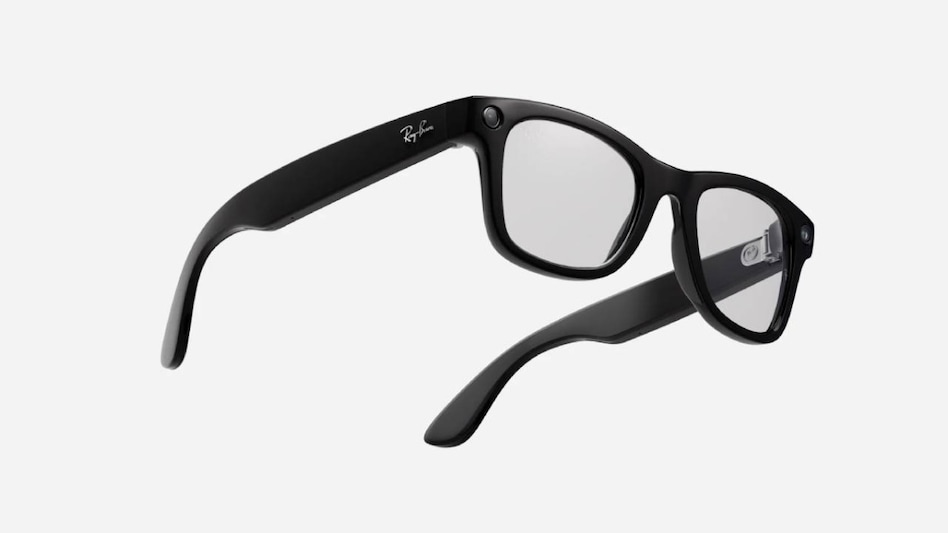
AI Guardrails: A Double-Edged Sword for Cybersecurity Researchers
In recent months, leading AI companies have implemented stringent regulations and vetted programs to curb potential misu...
TechCrunch | Jul 24, 2026, 01:15
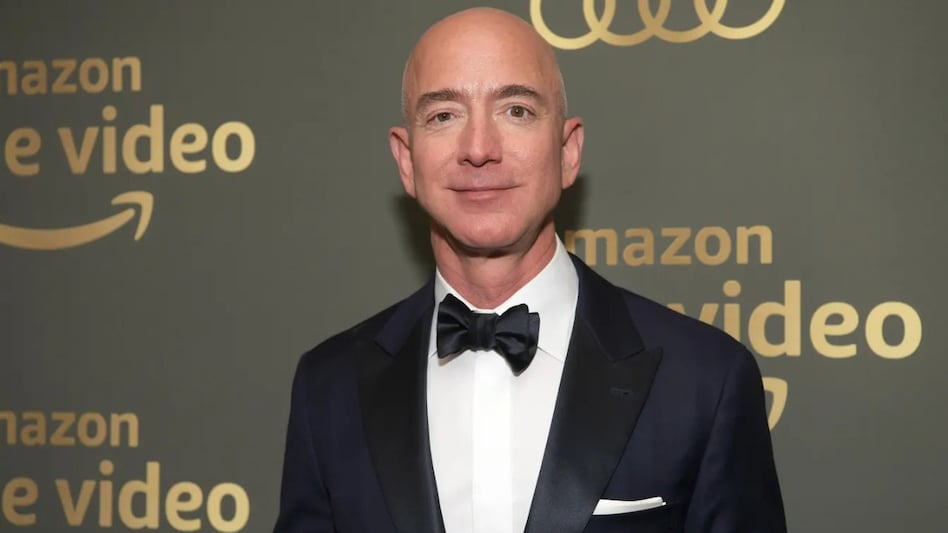
AI-Driven Overhaul for Prime Video: Bezos Aims to Transform Your Viewing Experience
In a bold move to enhance user engagement, Jeff Bezos is spearheading a significant redesign of Prime Video, emphasizing...
Business Today | Jul 24, 2026, 10:55