
Huawei launches DeepSeek-R1-Safe to block politically sensitive AI content
Huawei has introduced a new version of its DeepSeek artificial intelligence model focused on safety, named DeepSeek-R1-Safe. This advanced model is touted to effectively curb politically sensitive discussions, reflecting the growing emphasis on regulated content in AI technologies. Developed in collaboration with Zhejiang University, a prestigious institution known for its technological innovations, the project was clarified by Huawei to not directly involve the university's founder, Liang Wenfeng, nor the original DeepSeek team. In a recent update shared on Huawei’s WeChat account, the company revealed that the system was trained using 1,000 Ascend AI chips, showcasing its commitment to robust technological development. DeepSeek-R1-Safe builds upon the open-source DeepSeek-R1 model, modifying it to align with Beijing's regulations that mandate AI products to embody “socialist values” and adhere to stringent online speech controls. Huawei claims that the new model is “nearly 100 percent successful” at blocking discussions surrounding politically sensitive topics, toxic language, or illegal content. However, its effectiveness fell to 40 percent in more complex scenarios that involved role-playing or coded prompts. Overall, the AI system achieved an impressive 83 percent security defense score, surpassing competitors like Alibaba’s Qwen-235B and DeepSeek-R1-671B by 8 to 15 percent in similar evaluations. Notably, Huawei emphasized that the enhanced safety protocols resulted in only a minimal performance drop compared to the original model. This launch comes at a time when Chinese companies are increasingly integrating DeepSeek’s technologies, which gained international attention earlier this year with the release of its R1 and V3 models. These advancements caused a notable stir in Western markets, leading to a significant decline in AI-related stocks in Silicon Valley back in January. Domestic AI platforms, including Baidu’s Ernie Bot, have already begun to impose restrictions on responses to sensitive political topics, mirroring the government's content regulations. Thus, Huawei's DeepSeek-R1-Safe represents a critical step in formalizing such controls within sophisticated AI systems. This announcement was made during Huawei’s annual Connect conference in Shanghai, where the company also revealed its ambitious plans for semiconductor development and computing infrastructure after a prolonged period of secrecy.
Public Opinion Divided on Government Investments in Private Companies
A recent survey reveals that nearly half of Americans disapprove of the U.S. government acquiring stakes in domestic com...
CNBC | Jul 20, 2026, 11:15
Apple Raises Subscription Prices for Services in India
In a significant move, Apple has announced an increase in the prices of its subscription services in India, following re...
Business Today | Jul 20, 2026, 06:00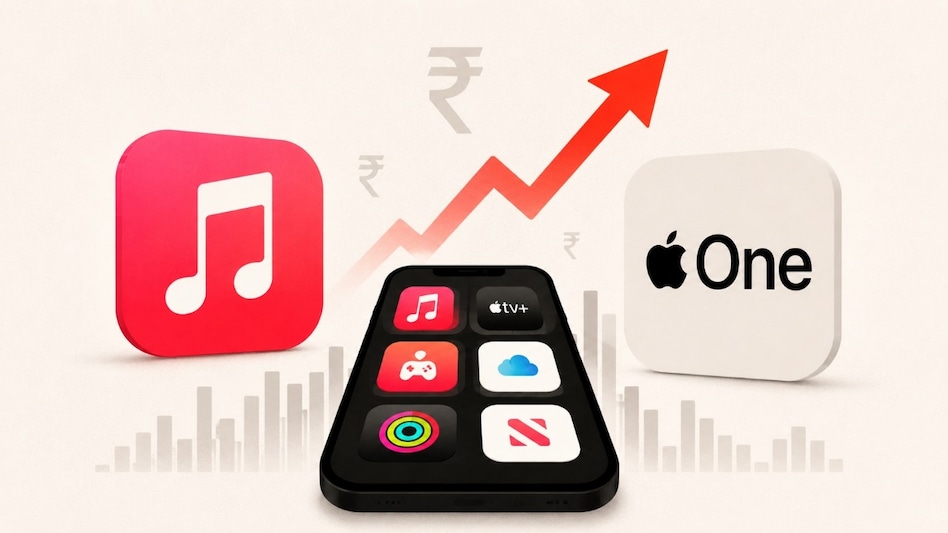
Apple's Price Surge: iPhone 17 Costs Climb in Japan—What's Next for India?
Apple has officially raised the prices of its iPhone 17 models in Japan, marking a significant increase that reflects a ...
Business Today | Jul 20, 2026, 05:30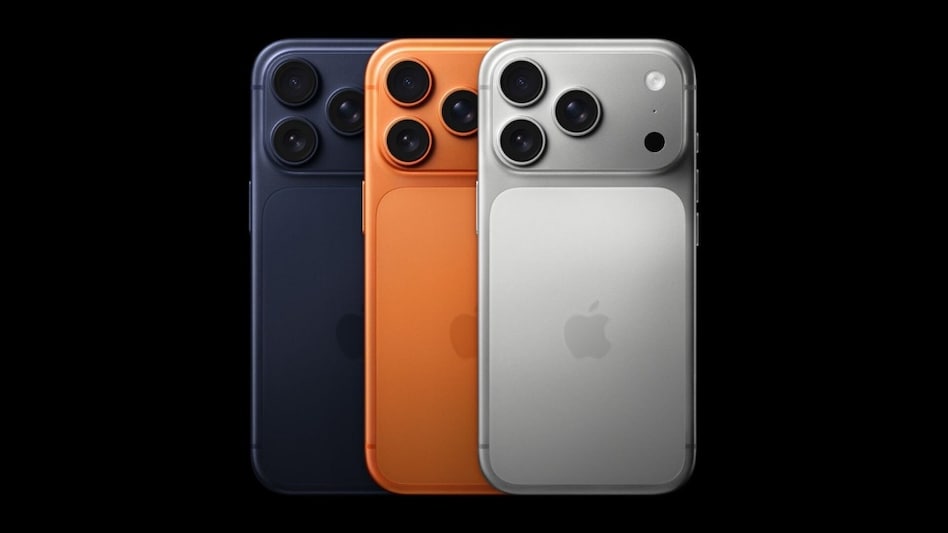
Netflix Invests Heavily in Ben Affleck's AI-Powered Filmmaking Venture
Netflix has officially disclosed a staggering $587 million cash acquisition of InterPositive, a filmmaking startup co-fo...
TechCrunch | Jul 19, 2026, 22:10
Nvidia's Jensen Huang Champions Japan's AI Future During Tokyo Summit
Jensen Huang, the CEO of Nvidia, recently concluded a two-day visit to Tokyo, engaging with Japan's leading industrial a...
TechCrunch | Jul 19, 2026, 21:35