
Apple’s biggest product in its 50-year history surprised the engineers who designed it
In an unprecedented move, Apple ventured into uncharted territory with the development of the iPhone, a product that would redefine the tech landscape. At a critical juncture, Apple executives, including Tony Fadell, who played a pivotal role in the creation of the iPod, faced a dilemma: should they focus on enhancing existing devices or innovate a new one? As competitors like Motorola and Samsung began launching cell phones integrated with MP3 players, there was growing concern about the iPod’s longevity. By April 2004, the iPod had overtaken the Mac in sales, exhibiting a staggering growth of over 900% year-on-year, but Apple recognized the need to evolve. The challenge was monumental. Fadell noted that the iPhone was Apple’s most complex product yet, requiring seamless integration of new components and technologies. Rubén Caballero, who served as Apple’s vice president of engineering until 2019, recalled the intense dedication of the team during the two and a half years leading up to the iPhone’s launch, often working late nights and weekends. The interface presented a significant hurdle; touch technology had existed, but Apple needed to refine it to create an intuitive user experience that would encourage consumers to abandon physical buttons. The team’s efforts culminated in a device that initially resembled a phone version of the iPod, complete with a click wheel. However, it soon became evident that this design was flawed for text messaging and dialing. Every application had to be completely redesigned to accommodate a new, touch-based interaction model, presenting unforeseen challenges and instabilities. The iPod had already marked Apple’s transition into portable consumer electronics, moving away from its traditional focus on laptops and desktops. Learning from the iPod’s triumph, Apple geared up for the smartphone race, recognizing that consumers desired multifunctional devices that could enhance their online lives. As the first iPhone launched at a price point of $500, Apple entered a highly competitive market dominated by established giants like Nokia and Motorola, along with stringent carrier controls over marketing and distribution. Reflecting on the launch, Grignon, a former senior manager at Apple, admitted that the overwhelming success of the iPhone took many by surprise. Initially seen as a luxury item, the iPhone has now become a staple in billions of households worldwide, fundamentally altering cultural dynamics. The introduction of the iPhone also paved the way for a suite of products, including the Apple Watch and AirPods, all of which thrive on its success. As the iPhone approaches its 20-year anniversary, it stands as a testament to Apple’s innovative spirit. Yet, Fadell cautions that the tech world faces another pivotal moment, particularly with the rise of artificial intelligence. Apple must now adapt and rethink its strategies to remain competitive against leaders like Google and OpenAI. The future of Apple may hinge on its ability to innovate once again, as it did with the iPhone.
NIIT's AI Revolution: Transforming Enterprises and Driving Revenue Growth
For many years, NIIT has been a cornerstone of computer training, equipping students for careers in India's rapidly grow...
Business Today | Jul 03, 2026, 11:30
Navigating the Job Market: One Researcher's 57-Interview Journey to OpenAI
In a remarkable account of perseverance, Alisa Liu reflects on her lengthy job search that culminated in an AI researche...
Business Insider | Jul 03, 2026, 08:40GoDaddy Raises Alarm Over India's Crackdown on Impersonation Sites
India is intensifying its efforts to combat websites that falsely represent well-known brands. However, GoDaddy, a promi...
Business Today | Jul 03, 2026, 10:35
Investigation Launched into iPhone 18 Pro Data Breach Linked to Tata Electronics
In the wake of a significant data breach at Tata Electronics, sensitive details regarding Apple's forthcoming iPhone 18 ...
Business Today | Jul 03, 2026, 11:30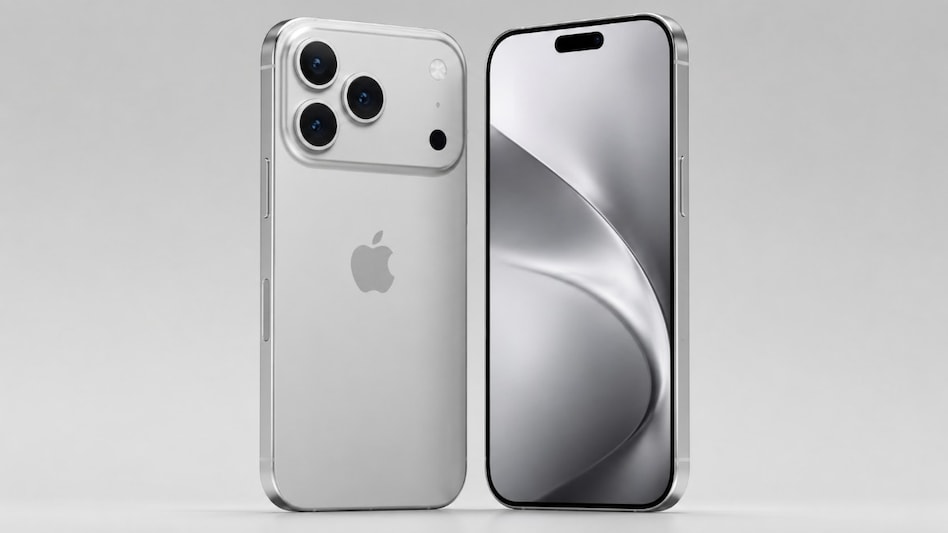
Exposed: European Politician Targeted by Pegasus Spyware Amid Investigative Role
Security experts have verified that a Greek journalist and former politician, Stelios Kouloglou, had his phone compromis...
TechCrunch | Jul 03, 2026, 05:40