₹250 an hour to train AI: How Indian workers are shaping the future of robotics
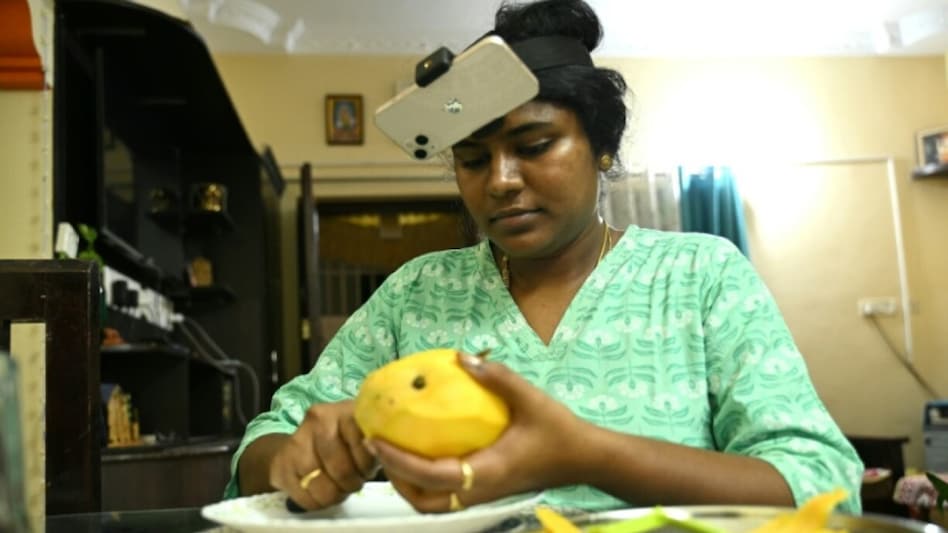
In a remarkable trend, thousands of Indian individuals are supplementing their incomes by documenting their daily tasks through cameras and sensors, thereby assisting artificial intelligence companies in training the next generation of humanoid robots. This development has sparked both enthusiasm for technological advancement and apprehension regarding the implications for human employment. From homemakers in Chennai to textile workers in Tamil Nadu, individuals are capturing video recordings of everyday activities such as cooking, laundry, sewing, ironing, and object sorting. These recordings, referred to as "egocentric data" due to their first-person perspective, are instrumental in teaching AI-powered robots how to interact with the physical world. One participant in this initiative, 25-year-old Nagireddy Sriramyachandra from Chennai, shares her experience of strapping a smartphone to her head to record household chores for the AI data company Objectways. She earns approximately ₹250 per hour for this work, viewing it as a convenient means of income. "Who else will pay you 250 rupees an hour just for doing housework?" she remarked. The data collected is critical for robotics firms, as one of the significant hurdles in AI development is teaching machines to perform real-world tasks. While tools like chatbots and image generators learn from vast digital content, robots necessitate visual demonstrations of physical actions, hand movements, and object manipulation to operate effectively within homes and workplaces. Objectways, which has operations in both India and the United States, collaborates with major international clients and machine-learning platforms. Founder Ravi Shankar notes that clients request videos of a variety of activities, from folding laundry to making sandwiches. He asserts that automation can liberate humans from monotonous tasks, enabling them to engage in more meaningful work. India has emerged as a significant hub for AI data collection and annotation services, driven by its extensive workforce and burgeoning tech ecosystem. Experts predict that the demand for these services will continue to grow as companies strive to develop more sophisticated robots. However, labor experts caution that while AI-driven data collection is currently creating new opportunities, it may also lead to job displacement due to automation in the future. The Indian government’s think tank, NITI Aayog, has recognized the need to assess how AI will impact the nation’s vast informal workforce, which comprises nearly 490 million individuals.
Jensen Huang's Triumphant Return to Nvidia: Applause Amid Controversy
On Monday, Jensen Huang made a dramatic return to Nvidia's headquarters, greeted by a cheering crowd of hundreds of empl...
TechCrunch | Nov 23, 2026, 21:10
Nvidia's Jensen Huang Set to Face Senate Committee Amid Controversy
Jensen Huang, the CEO of Nvidia, is slated to appear before the Senate Banking Committee on December 3. This announcemen...
TechCrunch | Nov 23, 2026, 18:35
PwC Launches Initiative to Enhance Critical Thinking Skills for AI-Driven Future
PwC is set to introduce a groundbreaking certification program aimed at enhancing the critical thinking abilities of its...
Business Insider | Nov 23, 2026, 19:20Nvidia's Market Surge: The Impact of Jensen Huang's Return
In a rare turn of events, investors have placed a staggering monetary value on the leadership of Jensen Huang, Nvidia's ...
Business Insider | Nov 23, 2026, 17:45Political Backlash Follows Jensen Huang's Surprising Return to Nvidia
Jensen Huang, the CEO and co-founder of Nvidia, has made a startling comeback after being ousted just over a week ago du...
TechCrunch | Nov 23, 2026, 19:40