Google predicts Venezuela earthquake, but there’s a catch; Here's the science behind Alert
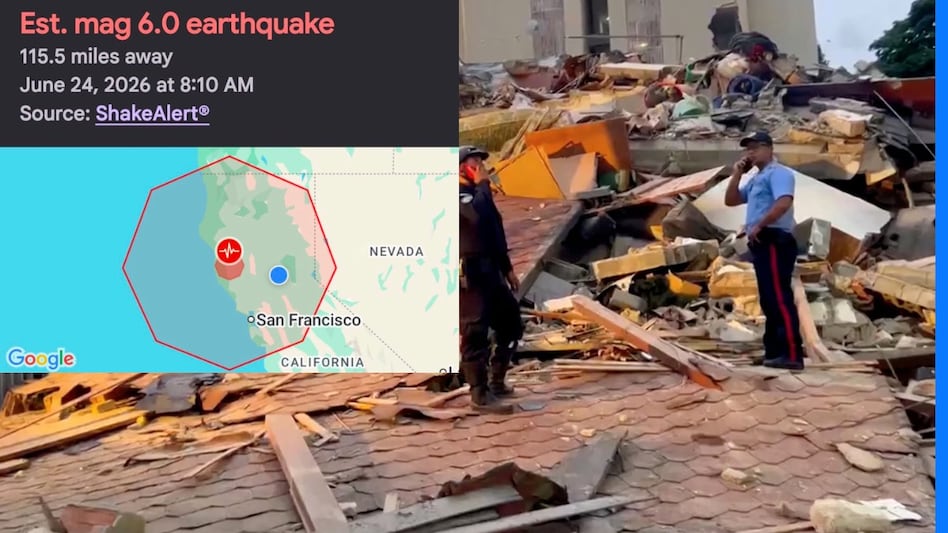
On June 23, Venezuela experienced a series of powerful earthquakes, registering magnitudes of 7.1 and 7.5, which were among the strongest to hit the nation in nearly a century. The aftermath saw significant destruction, with many buildings collapsing and vital infrastructure severely affected. In the wake of the quakes, numerous individuals took to social media to share screenshots from Google’s earthquake alert system, which notified them mere seconds before the seismic activity was felt. This sparked curiosity about how Google managed to provide such timely alerts. A viral screenshot from X illustrated a Google Earthquake Alert notification indicating that an earthquake had been detected, alongside an estimated magnitude of 6.2. It also revealed that the epicenter was approximately 212.3 miles (341 kilometers) away from the user’s location. Users were eager for clarification about how the tech giant had foreseen the tremors occurring just moments before they struck. While it appeared that Google had predicted the earthquake, the reality is a bit more complex. According to information from Google's blog, the company utilizes data from official seismic networks in various regions. In areas lacking extensive sensor coverage, Android smartphones equipped with accelerometers can act as miniature seismometers, helping to identify seismic activity. The underlying science involves the detection of seismic waves generated when rocks slip along fault lines. Two types of waves are produced: P-waves, which travel rapidly and usually cause minimal damage, and S-waves, which are slower and result in greater destruction. Google’s system is capable of detecting P-waves through both seismic sensors and Android devices. When numerous phones in a localized area register similar motion, Google can ascertain the earthquake’s potential location, magnitude, and which regions are likely to experience significant shaking. This information is then disseminated through internet and mobile networks before the more damaging S-waves reach those affected. With over 2 billion Android devices connected to its earthquake detection system, Google has effectively harnessed a vast network to enhance public safety in the face of natural disasters.
The Rise of AI Distillation: A Controversial Technique Sparks Debate in Tech and Government
In recent discussions, a once-obscure topic in artificial intelligence has surged to the forefront of debates among tech...
CNBC | Jul 25, 2026, 12:15
Shifting Focus: The Cost-Effectiveness of AI Models Takes Center Stage
In recent years, the AI sector has been intensely focused on identifying the most advanced models. While this pursuit re...
Business Insider | Jul 25, 2026, 13:10Waymo Considers Parting Ways with Uber Amid Rising Tensions
Waymo is reportedly exploring options to exit its partnership with Uber, which has allowed the Alphabet-owned firm to de...
TechCrunch | Jul 24, 2026, 21:00
Unveiling the Future of Finance: TechCrunch Disrupt 2026's Smart Money Stage
The landscape of money is transforming beyond just cash or bank balances, and TechCrunch Disrupt 2026 is set to spotligh...
TechCrunch | Jul 24, 2026, 22:40
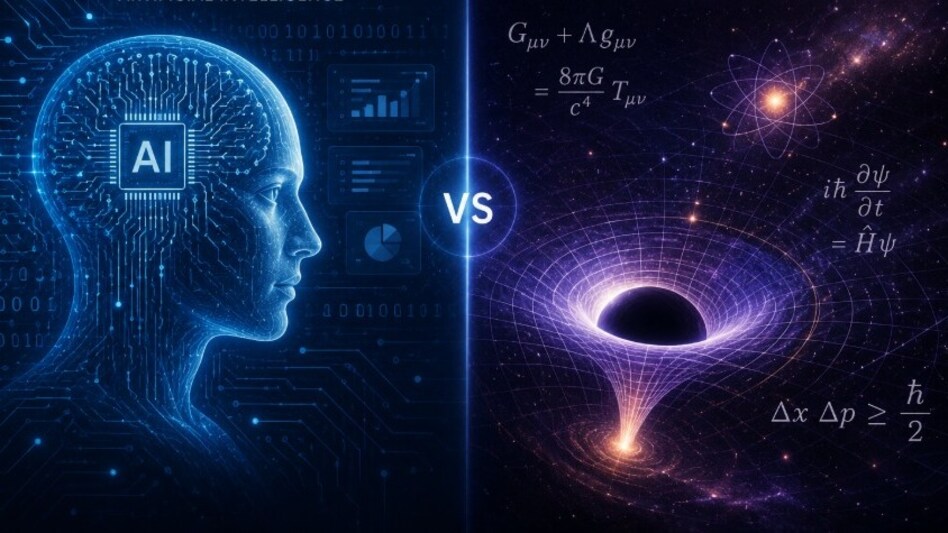
Unlocking the Secrets of Quantum Gravity: Can AI Help Physics Make a Leap?
The realm of scientific research is undergoing a profound transformation, fueled by the rapid advancements in artificial...
Business Today | Jul 25, 2026, 24:30