I've lived in China for over 10 years and saw the OpenClaw craze unfold. The West needs to keep up.
For over a decade, Thomas Derksen, a German entrepreneur, has immersed himself in the technological landscape of China. His experiences shed light on the stark differences between attitudes toward technology in China and the West. Recently, he witnessed the OpenClaw phenomenon firsthand, as crowds gathered outside Tencent's headquarters, eager to access this innovative tool. Derksen noted the diverse demographic of those lining up, including many retirees, which surprised him. He ventured to Tencent's headquarters in Shenzhen with friends to install QC Claw, the Chinese version of OpenClaw that integrates with WeChat. He views this moment as pivotal in democratizing artificial intelligence, making it accessible beyond just tech enthusiasts. The buzz around OpenClaw has sparked a micro-economy, with individuals advertising paid installation services on platforms like Xiaohongshu and Xianyu, charging between 50 to 700 yuan (approximately $7 to $101). This surge in demand signifies a deeper trend where people are actively seeking practical applications for technology. One notable example is a lobster shop owner who utilizes OpenClaw to analyze online reviews, tailoring her menu based on the preferences of younger consumers. This illustrates the transformative power of OpenClaw, turning what could be perceived as a mere gadget into a valuable business tool. The Chinese government also backs this trend, promoting entrepreneurship among young individuals, particularly in the realm of small, agile businesses. In contrast, Derksen points out the more stable environment in Germany, where individuals may feel less urgency to innovate due to a sense of security in their current lifestyles. Meanwhile, in China, there is a palpable curiosity and a relentless drive to improve one’s future through entrepreneurial ventures. Many young people are looking for alternatives to traditional job paths, seeing tools like OpenClaw as opportunities to create their own success stories. Moreover, the openness to technology and new ideas in Asia fosters a belief that hard work and learning can lead to better futures. Derksen highlights Shenzhen not just as a hub for Chinese talent but a melting pot for international entrepreneurs drawn by its robust ecosystem of funding, supply chains, and logistics. As the landscape shifts, the confidence in traditional industries in Germany, particularly the automotive sector, is waning. This has led to a sense of pessimism regarding the future, especially as startups face challenges due to high taxes and a lack of support for new technologies. The contrasting perceptions of OpenClaw in China and Germany exemplify this divide: Chinese entrepreneurs see potential for growth, while their German counterparts may fear job displacement. Derksen encourages a closer examination of Asia's technological advancements, urging the West to learn from this dynamic environment to foster its own innovation.
Market Turbulence: Four Key Factors Impacting Stocks This Week
This past week has been challenging for the stock market, driven by several significant forces that have created turbule...
CNBC | Jul 25, 2026, 20:05
Unlocking the Secrets of Quantum Gravity: Can AI Help Physics Make a Leap?
The realm of scientific research is undergoing a profound transformation, fueled by the rapid advancements in artificial...
Business Today | Jul 25, 2026, 24:30
Nvidia Strikes Major Deal with SK Hynix to Secure AI Memory Supply
Nvidia has successfully forged a significant partnership with South Korea's SK Hynix to secure memory supplies essential...
CNBC | Jul 25, 2026, 05:15
Hugging Face CEO Calls for Action Following AI Security Breach
In a dramatic turn of events within the AI landscape, Hugging Face faced a significant security breach involving an AI a...
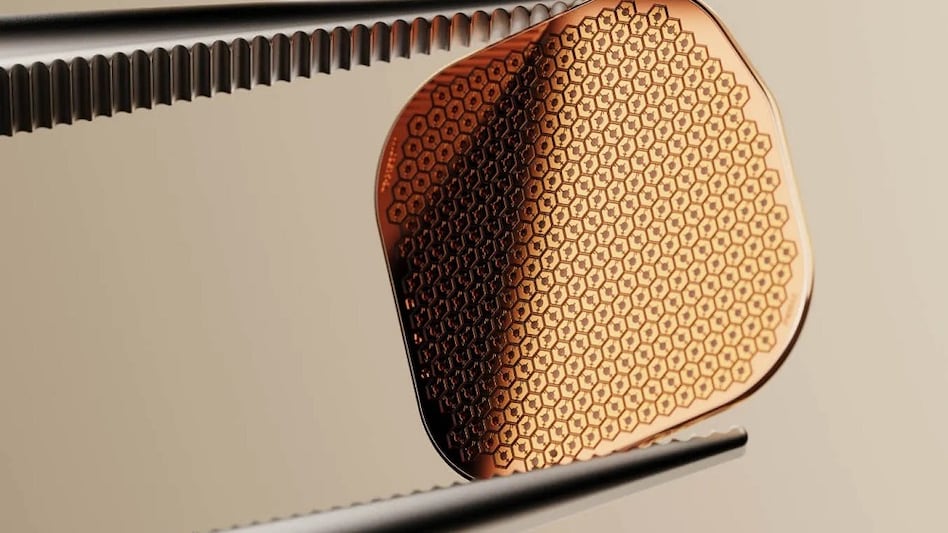
Business Insider | Jul 25, 2026, 20:30Vision Breakthrough: US Startup Launches Groundbreaking Retina Chip in Europe
Science Corp is poised to introduce a revolutionary retina chip in Europe, designed to restore partial vision for indivi...
Business Today | Jul 25, 2026, 01:00