The Tech Download: How Russia could profit from Iran war helium supply chain disruption in the chip sector
In the wake of ongoing military conflicts in Iran, helium has become a pivotal element for the tech industry, particularly in semiconductor manufacturing. As geopolitical tensions escalate, the world's second-largest helium supplier, Iran, faces disruptions in its export capabilities due to strikes that have significantly affected global supply chains. Qatar, a major player in helium production and part owner of the largest gas field globally, has previously accounted for over 30% of the helium market. However, analysts at Deutsche Bank have noted that the recent hostilities have resulted in the loss of approximately one-third of the global helium supply, leading to a market shift from oversupply to undersupply. This sudden scarcity has driven prices up, prompting concerns among chip manufacturers about maintaining their supply chains in a protracted conflict. North American helium producers stand to gain from the supply disruptions affecting Qatar. Interestingly, Russia, the third-largest helium supplier, is also in a position to capitalize on these changes. The nation had already ramped up its helium production due to its substantial reserves and the financial needs stemming from its ongoing military engagements, according to Bernstein analysts. While sanctions hinder Russian helium access to Western markets, countries like China—responsible for producing a significant percentage of mature-node chips—have been increasingly looking to Russia for helium supplies. Reports indicate that helium exports from Russia to China surged by 60% year-on-year, raising concerns about potential gaps in the Chinese market, particularly as Qatar has historically supplied over half of China's helium needs. Experts suggest that while Russian helium may not be favored by Western chipmakers due to trade restrictions, it could find a foothold in other regions, particularly China. If disruptions to Qatar's helium exports continue, Russia is poised to expand its role in supplying helium to the Chinese market, potentially affecting global supply levels. Moreover, while the quality of Russian helium has not yet been approved for use in wafer fabrication facilities, it may still be utilized in alternative applications, thereby alleviating pressure on qualified helium supplies for the semiconductor sector. Bernstein has indicated that the growth in Russian helium production, along with strengthened ties between chip manufacturers and industrial gas companies, may mitigate the impact of helium shortages on semiconductor production. However, the ongoing geopolitical landscape and trade restrictions will likely limit Russia's ability to fully fill the void left by Qatar. The potential for high helium prices and the urgency for buyers to diversify their sourcing strategies remains a pressing concern for the tech industry as it navigates these turbulent waters.
Will AI Dampen Originality? An Expert's Cautionary Tale
As artificial intelligence continues to evolve, concerns are rising about its potential impact on innovation and creativ...
Business Insider | Jul 24, 2026, 15:00India Takes Action Against Jack Dorsey's Bitchat App Amid Protests
In a significant move, India's cybercrime agency, the Indian Cyber Crime Coordination Centre (I4C), has mandated GitHub ...
Business Today | Jul 24, 2026, 10:25
Rivian Takes Legal Action Against U.S. Government Over Tariff Refunds
Rivian has initiated a lawsuit against the U.S. government, seeking to recover a "full refund" of tariffs imposed during...
TechCrunch | Jul 24, 2026, 15:25
Elon Musk's Ambitious Leap: Can Tesla's Optimus Robot Revolutionize Work and Life?
Elon Musk has transformed Tesla into a leading automotive giant, but now he is staking the company's future on a groundb...
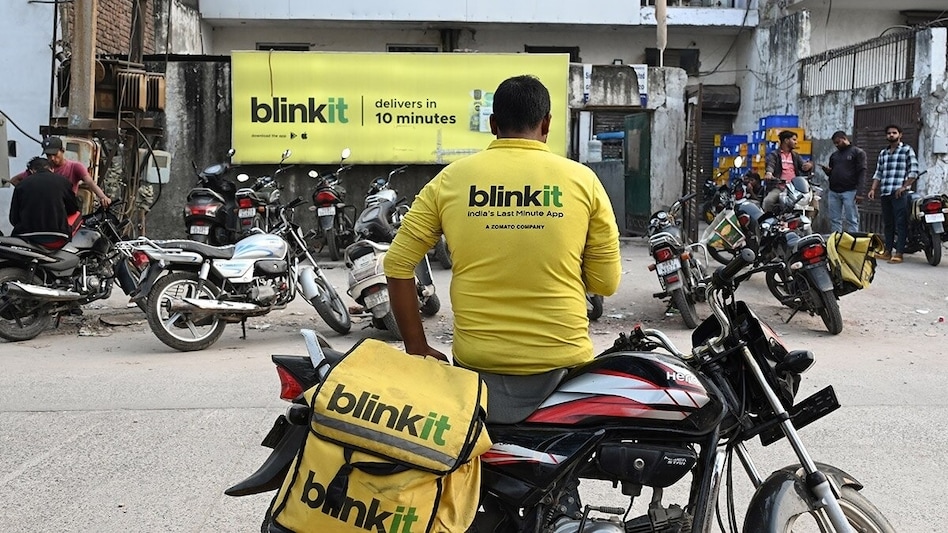
Business Insider | Jul 24, 2026, 09:10Blinkit Rises to Challenge Amazon in E-Commerce Landscape
In an impressive leap forward, Blinkit has significantly increased its operational scale, with the cost to establish a s...
Business Today | Jul 24, 2026, 09:35