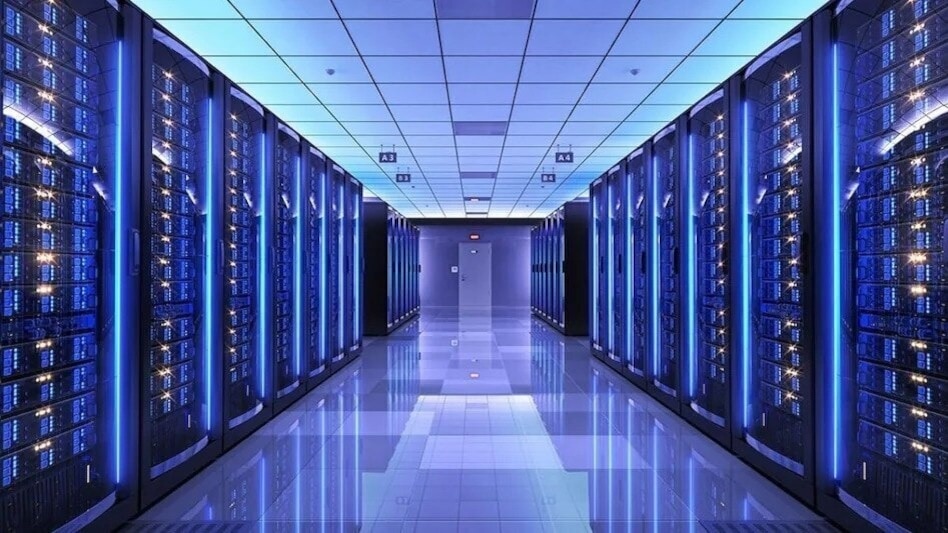
Global heatwaves are creating a new crisis for AI data centres: Here’s how
This summer has brought unprecedented heat to regions like India and Europe, where temperatures have soared above 40 degrees Celsius. As these areas grapple with severe heatwaves, the impact extends to critical infrastructure, including factories, nuclear plants, and notably, AI data centers. These facilities, essential for today's digital demands, are feeling the strain as they operate under increasingly challenging conditions. AI data centers are particularly vulnerable due to their reliance on vast arrays of servers that generate significant heat even in normal circumstances. The soaring temperatures necessitate that their cooling systems work overtime, leading to heightened electricity consumption and the looming threat of overheating if these systems fail. A recent study by First Street reveals a worrying statistic: 79% of the global data center capacity is at a high risk of climate-related hazards such as wildfires, floods, and extreme heat. Such events could disrupt operations, affect online services, and inflate repair and maintenance costs following damage. Interestingly, while many data centers are facing these challenges, 64% of new data center developments are taking place outside traditional hubs as companies seek new opportunities in emerging markets, with Brazil seeing notable growth in this sector. To combat the escalating temperatures, tech companies are rethinking their cooling strategies. The existing cooling systems already account for approximately 40% of total electricity usage in a data center. During heatwaves, the demand on these systems increases, which not only raises energy consumption but also heightens the risk of power shortages or blackouts. In response, technology firms are strategically selecting locations less prone to extreme weather events, constructing backup infrastructure to mitigate the risk of operational failures, and implementing real-time monitoring systems to keep a close watch on temperatures, energy use, and overall equipment health. As the climate crisis intensifies, the future of data centers will depend on their ability to adapt and innovate in the face of these challenges.
OpenAI's Latest Launch Sends Shockwaves Through Software Stocks
In a striking move, OpenAI has significantly impacted the software industry with its recent unveiling of a new enterpris...
Business Insider | Jul 23, 2026, 22:30China's Kimi K3: A New Contender in the Global AI Race Sparks US Concerns
The tech world is buzzing once again as a new Chinese AI model, Kimi K3, developed by the startup Moonshot AI, challenge...
CNN | Jul 24, 2026, 02:05
AMD Unveils Helios: A Game-Changer in AI Computing Power
In a bold move to challenge Nvidia's supremacy, AMD has introduced its latest innovation: the Helios AI rack-scale syste...
TechCrunch | Jul 23, 2026, 20:40
Strategic Payroll Solutions: Preparing for Future Growth
As businesses evolve, so do their payroll needs. Consider a mid-sized company that, after implementing a payroll system ...
Business Insider | Jul 23, 2026, 21:15Meta Exits Renewable Energy Initiative Amid Surge in Natural Gas Projects
In a significant shift, Meta has announced its departure from the RE100 initiative, a prominent corporate renewable ener...
TechCrunch | Jul 23, 2026, 20:05