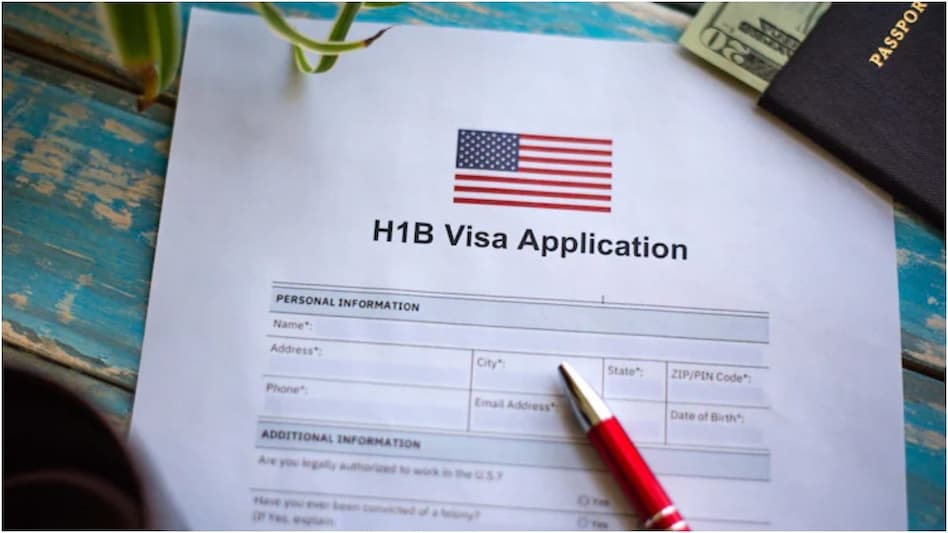
H-1B loses sheen for Indian IT as fees surge, hiring pivots local
The H-1B visa program is experiencing a significant downturn among Indian IT companies, with projections indicating a 30-50% drop in registrations for FY2027. This decline is fueled by a new $100,000 fee, more stringent regulations, and a cooling technology job market, which together dampen the demand for this visa. Last year already saw a notable decrease in filings, plummeting from 442,000 in FY2025 to 339,000 in FY2026. Analysts point to this trend as indicative of a fundamental change in how companies are approaching hiring for the U.S. market. An IT analyst remarked that the H-1B visa has diminished in importance for the sector, now serving more as a nostalgic marker of past performance rather than a relevant gauge of current hiring trends. The sharp increase in costs is at the heart of this transformation. The newly implemented fee for companies seeking to employ overseas workers, starting with petitions filed after September 2025, alters the financial landscape considerably. With median salaries for H-1B roles ranging from $80,000 to $120,000, the additional fee often equals or surpasses the annual compensation for many positions, making recruitment for mid- and junior-level roles increasingly impractical. Dhana Kumarasamy, CEO of Fulcrum Digital, noted that this fee, along with economic uncertainties and geopolitical factors, has led to more selective use of the program. His company is now focusing on hiring more employees in locations like India, Dublin, and Mexico, in addition to local hires in the U.S. for roles requiring closer customer interaction. Compounding these challenges is the recent shift from a random lottery system to a wage-based selection process that favors higher-paying jobs, coupled with an increase in the registration fee to $215. Immigration attorney Nandini Nair expressed that the dramatic decline in H-1B registrations signals a reckoning with the complexities and expenses that have accumulated over the years, prompting companies to be more judicious in their sponsorship decisions. Indian IT firms, traditionally the largest users of H-1B visas, are increasingly diversifying their hiring strategies. Companies like Infosys, Tata Consultancy Services, and Wipro are now prioritizing local hires in the U.S. and building teams in Canada and Mexico to counteract visa limitations. A report from ICICI Direct indicates that visa allocations for these companies have dropped sharply from 2022 to 2025—nearly 45% for TCS, over 71% for Infosys, and almost 33% for Wipro. Expectations suggest that this trend will deepen, with firms likely to enhance local hiring, utilize more L-1 visas, and limit H-1B visa applications to critical and highly skilled positions. The ongoing slowdown in the tech job market further influences this shift, as hiring freezes and budget constraints lead to reduced sponsorship of visas. Recent regulatory changes have also tightened scrutiny on applications, moving to a beneficiary-based system that curtails duplicate filings and, consequently, inflated application numbers. Data shows that only three Indian companies made it to the top 25 employers for initial H-1B approvals in FY2025, with the leading seven securing just 4,573 approvals—down 70% from FY2015. In contrast, Amazon led the list with 4,644 approvals. Although the annual H-1B cap remains unchanged at 85,000 visas, including 20,000 reserved for U.S. master’s graduates, registrations are still expected to exceed this limit. However, the nature of demand is evolving, especially with proposed changes in wage calculations that could push entry-level salaries closer to mid-level benchmarks, encouraging employers to favor local or more experienced candidates. For potential applicants, the H-1B process increasingly resembles a gamble: the lottery system lacks predictability, approval is not guaranteed, and policy shifts can occur at any moment. As a result, many are exploring opportunities in other countries.
The Aluminum Foil Trend: A DIY Shield Against Wireless Identity Theft
Have you noticed an unusual trend where people are wrapping their wallets in aluminum foil? This peculiar practice has e...
Business Today | Jul 25, 2026, 02:45
Crisis Averted: Power Line Failure Highlights Urgent Need for Data Center Resilience
A power line failure near Washington, DC, recently showcased a significant challenge faced by the electrical grid due to...
TechCrunch | Jul 25, 2026, 13:50
The Elusive Phineas Fisher: The Hacktivist Who Took Down Spyware Giants
In the realm of cybersecurity, few figures are as intriguing as Phineas Fisher, a hacker who has evaded capture for near...
TechCrunch | Jul 25, 2026, 21:00
Shifting Focus: The Cost-Effectiveness of AI Models Takes Center Stage
In recent years, the AI sector has been intensely focused on identifying the most advanced models. While this pursuit re...
Business Insider | Jul 25, 2026, 13:10The Boring Company Eyes $4 Billion Funding Boost Amid Expanding Tunnel Ventures
Elon Musk's tunneling enterprise, The Boring Company, is reportedly negotiating a substantial funding round of $4 billio...
TechCrunch | Jul 25, 2026, 19:50