
If you’re giving a commencement speech in 2026, maybe don’t mention AI
As commencement ceremonies unfold across American universities, a noticeable trend has emerged: students are expressing their discontent with discussions surrounding artificial intelligence. During a recent address at the University of Central Florida, Gloria Caulfield, an executive from Tavistock Development Company, described the current era as one of "profound change," labeling AI as the next industrial revolution. This statement was met with a wave of boos from the graduating class, prompting Caulfield to acknowledge the strong reaction with humor, asking, "What happened?" Her attempt to highlight that AI was not a significant part of life just a few years ago was again interrupted, this time by cheers from the audience, indicating a stark divide in sentiment. Similarly, former Google CEO Eric Schmidt encountered a hostile reception during his speech at the University of Arizona. Even before he took the stage, some student groups protested his presence due to past allegations against him, which he has denied. When he mentioned the role students would play in shaping AI, boos echoed through the crowd, leading him to assert, "When someone offers you a seat on the rocket ship, you do not ask which seat, you just get on." It’s worth noting that not every speaker faced backlash over the topic of AI. At Carnegie Mellon’s commencement, Nvidia CEO Jensen Huang spoke positively about AI’s transformative impact on computing without any audible disapproval. This varied response reflects a broader sentiment among the youth, as a recent Gallup poll revealed only 43% of Americans aged 15 to 34 feel optimistic about job prospects, a significant decline from 75% in 2022. The unease surrounding AI is not just personal; it’s a symptom of a larger fear about the future. Critic Brian Merchant pointed out that for many young people today, the rise of AI symbolizes a harsh new reality of rampant capitalism. Even speeches that sidestepped direct references to AI often revolved around themes of resilience, with Schmidt acknowledging the anxiety faced by this generation over job security and climate issues. Caulfield’s initial remarks, which included generic praise for corporate figures like Jeff Bezos, may have further alienated her audience, as noted by a student who felt the speech lacked relevance. This collective sentiment of frustration was palpable, with another graduate summing up the mood, stating, "It wasn’t one person that really started the booing. It was just sort of like a collective, ‘This sucks.’"
AI Skills Outshine Experience in India's Tech Job Market
In a significant shift within India's technology job market, specialized artificial intelligence (AI) skills are increas...
Business Today | Jul 23, 2026, 04:00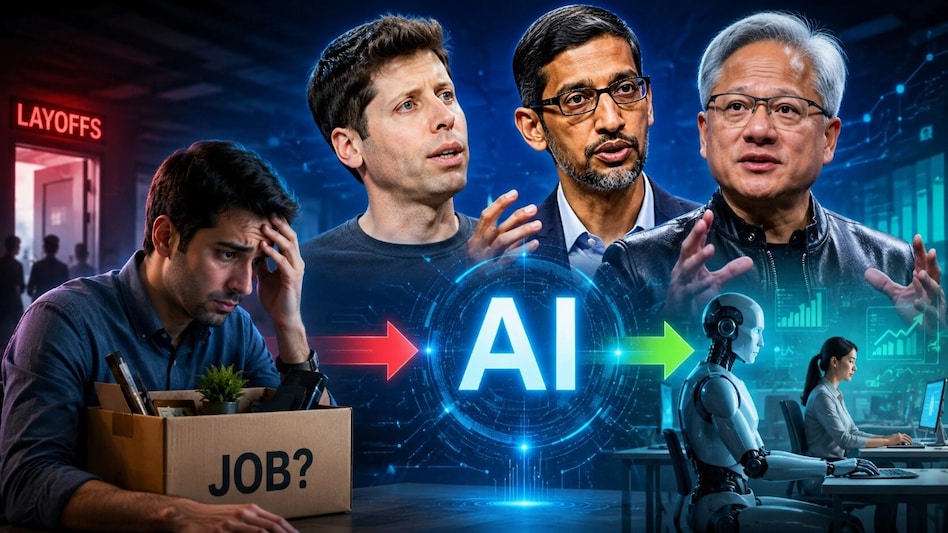
SoundCloud Expands Horizons with Acquisition of Nina Protocol
On Wednesday, SoundCloud revealed its acquisition of Nina Protocol, a decentralized music platform that empowered indepe...
TechCrunch | Jul 22, 2026, 19:50
IBM Faces Setbacks Amidst AI Boom: Mainframe Business Struggles
IBM's recent earnings report revealed significant challenges for the tech giant, as it fell short of Wall Street's expec...
TechCrunch | Jul 22, 2026, 23:55
Alphabet's Bold Commitment to AI Amidst Financial Challenges
Despite facing a challenging quarter, Alphabet is doubling down on its investments in artificial intelligence, signaling...
CNBC | Jul 23, 2026, 24:35
Travis Kalanick's Atoms Secures $1.7 Billion Investment to Revolutionize Robotics
Travis Kalanick's robotics venture, Atoms, has successfully raised $1.7 billion in a funding round primarily backed by v...
TechCrunch | Jul 22, 2026, 19:15