
ULA isn’t making the Space Force’s GPS interference problem any easier
In a pivotal development for global navigation, the United States Space Force is actively working to enhance the Global Positioning System (GPS), a network that plays a crucial role in daily life for millions around the world. This satellite navigation system is vital for the operation of everything from smartphones to military operations, and its fleet is undergoing significant upgrades to address both aging technology and increasing interference issues. Colonel Andrew Menschner, deputy commander of the Space Force’s Space Systems Command, emphasized the importance of replenishing the GPS constellation. With at least 24 satellites required for comprehensive global coverage, the current operational fleet has expanded to 31 satellites, each orbiting at an altitude of over 12,000 miles (20,000 kilometers). The motivation behind the upgrades is twofold: to replace older satellites that have been in orbit since the late 1990s and to introduce new technology that meets contemporary demands. Since 2005, the military has been deploying GPS satellites equipped with enhanced civilian signals for aviation and compatibility with Europe’s Galileo navigation system. Additionally, the introduction of the military-grade M-code signal marks a significant step forward, offering improved resistance to jamming and enhanced encryption to prevent spoofing attacks—where false signals mislead navigation systems. As the geopolitical landscape grows increasingly complex, interference with GPS signals has surged, particularly in areas like the Middle East and around Ukraine and Russia. US officials have pointed to Russian military operations as a significant source of this interference, particularly as they contend with drone warfare challenges. The ongoing upgrades to the GPS system are not only essential for maintaining operational efficiency but also for ensuring that US and allied forces retain critical access to navigational data in times of conflict.
The Aluminum Foil Trend: A DIY Shield Against Wireless Identity Theft
Have you noticed an unusual trend where people are wrapping their wallets in aluminum foil? This peculiar practice has e...
Business Today | Jul 25, 2026, 02:45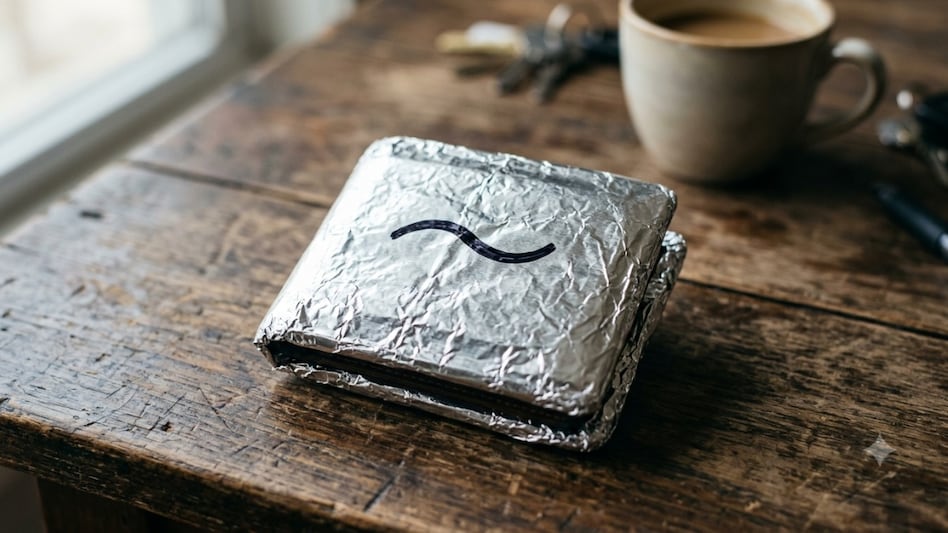
OpenAI's Micro Keypad: A Novelty for Coders or Just a Confounding Gadget?
Last week, OpenAI made its debut in the hardware landscape with the launch of Micro, a stylish keypad designed to integr...
TechCrunch | Jul 25, 2026, 24:40
Reclaiming Control: Librarians Host Workshops to Help People Navigate AI Tools
In a lively library setting in South Philadelphia, Charlie Bailey, a local librarian, humorously noted, "Everybody’s on ...
TechCrunch | Jul 25, 2026, 16:20
Vietnam's Controversial Social Media Proposal: A New Approach for Youth Engagement
Vietnam is contemplating a distinctive approach to youth social media regulations, diverging from the more common outrig...
TechCrunch | Jul 24, 2026, 21:25
Revolutionizing Office Automation: Prentis Aims to Secure $100 Million in Funding
Prentis, a newly established AI research lab, is making waves in the tech industry as it prepares to raise $100 million ...
TechCrunch | Jul 25, 2026, 24:00