Google, sorry, but that Pixel event was a cringefest
During the recent unveiling of the Pixel 10, Google aimed to create excitement, but the event turned out to be more awkward than anticipated. Late-night host Jimmy Fallon, who was brought on to hype the new smartphones, struggled to convey genuine enthusiasm for features like IP68 water resistance—something that has been part of the Pixel lineup since the Pixel 3 debuted in 2018. The event showcased Google's commitment to integrating artificial intelligence into everyday consumer experiences, such as photography, messaging, and real-time translation. However, the overall presentation felt disconnected, leading many to believe that Google was overcompensating for a perceived lack of groundbreaking innovations. By emphasizing celebrity appearances over substantial product demonstrations, the event lacked the depth that tech enthusiasts were hoping for. Fallon’s attempts to engage with the technology often fell flat, as he posed simplistic questions that elicited basic responses from Google executives. For instance, when he asked about terms like "agentic" or the concept of a "walled garden," the answers provided were overly simplified, likely missing the mark for the more knowledgeable audience members. Instead of diving into the specifics of the AI models in use or addressing privacy concerns, the event was filled with filler content that felt more like a sales pitch than a tech announcement. Some moments did shine through, such as when Google’s Senior Vice President, Rick Osterloh, mentioned the upcoming integration of the AI assistant Gemini into augmented reality glasses. However, Fallon seemed disinterested, failing to engage with the more innovative aspects of the presentation. As the event progressed, Fallon’s energy appeared forced, particularly when he attempted to sell the phone's features by quoting exaggerated testimonials from supposed Reddit users. The overall tone shifted to a home shopping network vibe, with Google’s Vice President of Marketing, Adrienne Lofton, enthusiastically showcasing the products in a manner that felt overly commercialized. In a bid to differentiate from Apple's more traditional event style, Google opted for a format that ultimately left viewers questioning its effectiveness. While the celebrity guests added a layer of entertainment, they did little to connect with the core audience—technology enthusiasts who crave substantial insights over star power. Moving forward, Google may need to focus on authentic engagement and deliver real-world applications of their innovations to resonate with their audience more effectively.
Court Rules in Favor of Apple, Dismisses Lawsuit Over CSAM on iCloud
In a significant legal development, a U.S. District Judge has dismissed a lawsuit against Apple concerning the alleged d...
CNN | Jul 14, 2026, 21:30
Jim Cramer Dismisses AI Market Bubble Fears, Highlights Strong Valuations
In a recent discussion, CNBC's Jim Cramer expressed confidence that the current stock market is far from the bubble cond...
CNBC | Jul 14, 2026, 22:35
Anthropic's Research Reveals Language-Specific Biases in AI Responses
In a groundbreaking study, Anthropic has discovered that its AI chatbot, Claude, exhibits varying values based on the la...
Business Today | Jul 15, 2026, 06:10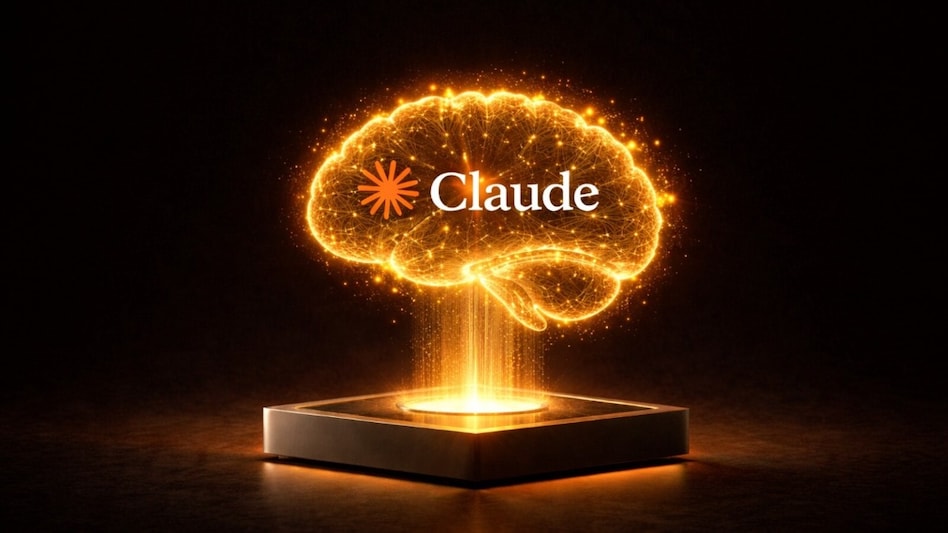
OpenAI Unveils Ambitious AI Companion: A Smart Speaker to Challenge Amazon's Alexa
OpenAI is venturing into hardware development with an innovative AI-powered device designed in collaboration with former...
Business Today | Jul 15, 2026, 06:10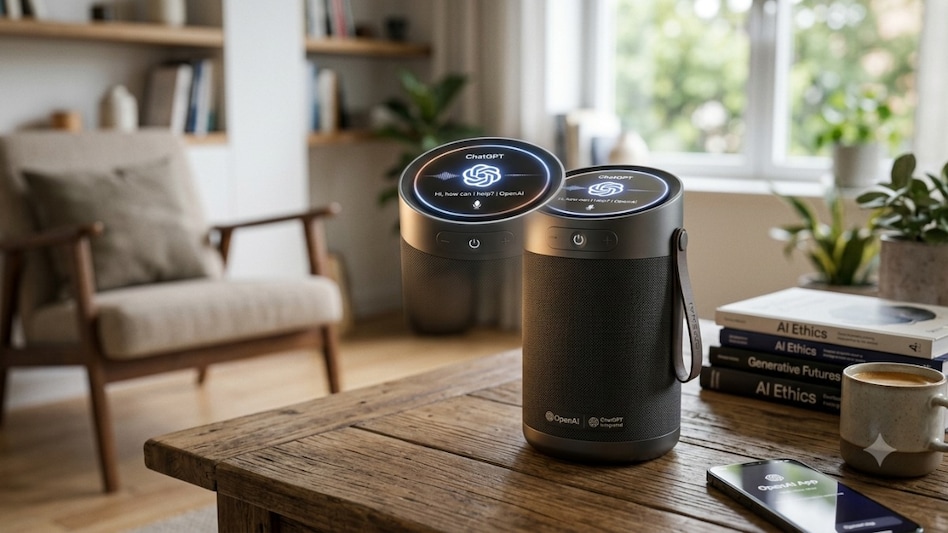
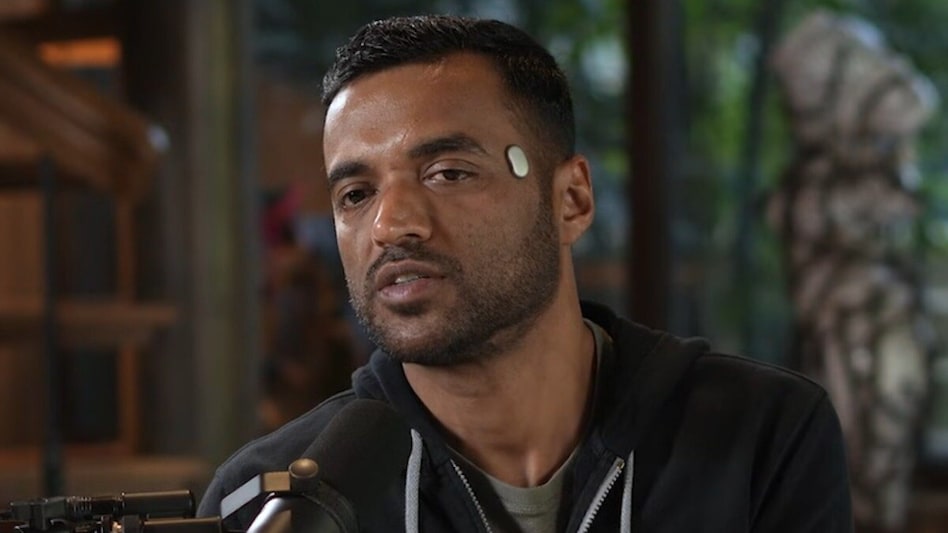
Deepinder Goyal Unveils Ambitious Wearable Project Amid New Ventures
Following his success with Zomato, Deepinder Goyal is turning his attention to health technology and aerospace innovatio...
Business Today | Jul 15, 2026, 05:15