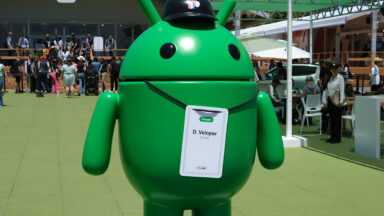
Google confirms Android dev verification will have free and paid tiers, no public list of devs
As Google moves towards a future where it holds significant influence over app installations, the tech giant is attempting to ease developer concerns through a recent blog post and an informal video update. The company has reiterated its commitment to sideloading, although the process is set to become more complex. The latest updates reveal that app installations will increasingly depend on cloud resources, introducing new fees for developers. However, hobbyists will still have a pathway to participate. Central to this new verification process is the Android Developer Verifier, a component that will debut with Android 16. To ensure app integrity, devices will need to check that each app has a registered package name and signing keys linked to Google at the time of installation. This requirement could pose challenges for popular open-source app stores like F-Droid, as it's impractical for devices to maintain a comprehensive database of verified applications. Therefore, an Internet connection will be necessary for many installations, although Google plans to keep a local cache of frequently sideloaded apps. Alternative app stores may have a chance to bypass some of these network requirements using a pre-auth token, but the specifics remain under discussion. Since the initial announcement, the financial aspects of the verification process have clarified somewhat. While Google describes the automated verification system as straightforward, it will still entail a cost for developers. This fee is expected to align with the current Google Play registration charge of $25, which Google states is intended to offset administrative expenses. For developers looking to distribute apps outside of Google's ecosystem, this means a fee will be necessary. However, there is a silver lining for those who do not need widespread distribution. Google will allow hobbyists and students to register for a simplified verification tier using just their email, free of charge. Yet, this option may come with limitations on how often these apps can be installed. The team in the video strongly recommends that developers pursue the full verification route, which involves a fee to Google. Further inquiries to Google about additional specifics are ongoing.
Trump Signals Trade War with EU Over Tech Giants' Fines
In a bold move, President Donald Trump announced on Friday that his administration would initiate a trade investigation ...
CNBC | Jul 24, 2026, 18:15
India's Crackdown on Open-Source Messaging App Raises Legal Concerns
The Indian government's recent initiative to enforce restrictions on Jack Dorsey's offline Bluetooth messaging applicati...
TechCrunch | Jul 24, 2026, 17:10
Tech Giants Unite to Advocate for Open AI Models Amid Regulatory Concerns
In a bold move reflecting their shared vision for the future of artificial intelligence, leading tech figures have come ...
Business Insider | Jul 24, 2026, 14:45AI Leaders Urge Caution on Potential Restrictions Amid US-China Tensions
A collective of prominent AI firms, including Hugging Face, Meta, Microsoft, Mistral, and Nvidia, has issued an open let...
TechCrunch | Jul 24, 2026, 16:15
Cognition Acquires Poke: Redefining AI Interaction for Enhanced Productivity
Poke, the friendly AI assistant that users interact with as if chatting with a friend, is set to embark on a new journey...
TechCrunch | Jul 24, 2026, 18:25