Google's rolling out most powerful AI chip, taking aim at Nvidia with custom silicon
Google is set to make waves in the tech industry by launching its most advanced chip to date, the Ironwood Tensor Processing Unit (TPU). This announcement comes as the tech giant intensifies its efforts to attract business from artificial intelligence firms with tailored silicon solutions. The Ironwood TPU, which was previously introduced for testing in April, will soon be available for public use, marking a significant step in Google's AI ambitions. Designed for a wide range of applications—from training extensive models to powering real-time chatbots and AI agents—the Ironwood TPU boasts the capability to connect up to 9,216 chips in a single pod. Google claims this configuration effectively removes data bottlenecks for its most demanding models, allowing customers to operate and scale the largest, most data-intensive AI models available today. In a fierce competition for AI infrastructure, Google faces off against major players like Microsoft, Amazon, and Meta. While Nvidia has historically dominated the market with its graphics processing units (GPUs), Google's TPUs represent a shift toward custom silicon that can offer significant benefits in terms of cost, performance, and efficiency. After a decade of development, the Ironwood TPU is reported to be more than four times faster than its predecessor, generating considerable interest from major clients. Notably, AI startup Anthropic plans to deploy up to 1 million of these new TPUs to enhance its Claude model. In addition to the Ironwood chip, Google is also launching a series of upgrades aimed at making its cloud services more competitive against larger players like Amazon Web Services and Microsoft Azure. In its recent earnings report, Google announced a third-quarter cloud revenue of $15.15 billion, which represents a 34% increase from the previous year. In comparison, Azure saw a 40% revenue increase, while Amazon's AWS grew by 20%. To accommodate the heightened demand for its AI infrastructure, Google has raised its capital expenditure forecast for the year to $93 billion, up from $85 billion. CEO Sundar Pichai emphasized the growing need for their AI infrastructure products, stating that both TPU and GPU solutions are crucial drivers of the company's growth over the past year and will continue to be a focus moving forward.
Samsung Launches New Foldables as Apple Prepares to Join the Race
The ongoing rivalry between Apple and Samsung in the smartphone arena is set to take a new turn. On Wednesday, Samsung u...
CNN | Jul 22, 2026, 13:10
WhatsApp Unveils Exciting Features: Enhanced Car Connectivity, iPad Sign-Ups, and More
WhatsApp is introducing an array of innovative features aimed at enhancing the user experience across multiple devices. ...
TechCrunch | Jul 22, 2026, 13:10
OpenAI Unveils Innovative Software to Transform Corporate AI Integration
OpenAI has introduced a groundbreaking product named OpenAI Presence, signaling a strategic shift beyond its traditional...
Business Insider | Jul 22, 2026, 12:05Market Movements: SpaceX Surges, Oil Prices Spike, and Fed's AI Concerns
In an eventful morning for investors, stock futures have dipped as market reactions follow a recent warning from JPMorga...
CNBC | Jul 22, 2026, 12:45
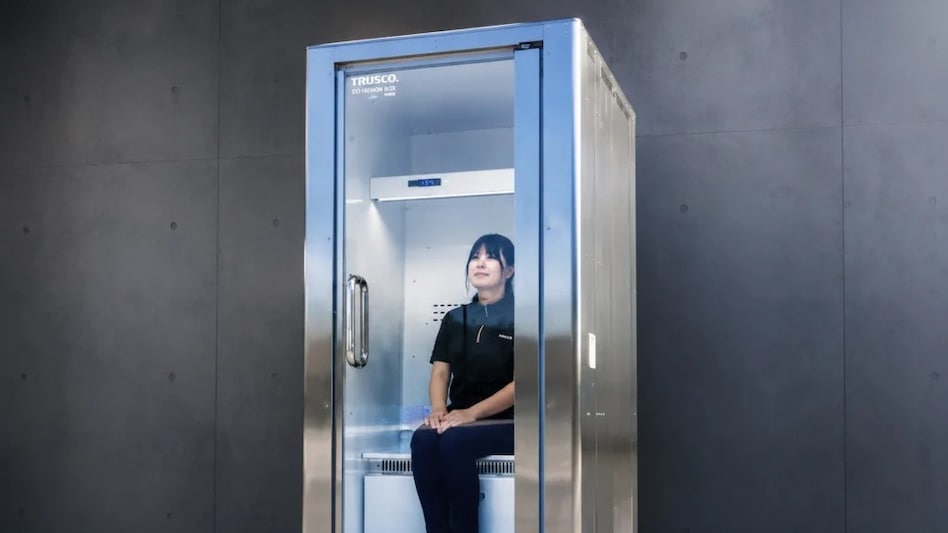
Japan Unveils Revolutionary Cooling Booth for Relief from Record Heat
In response to the unprecedented heatwave sweeping across Japan, a local refrigeration company has launched an innovativ...
Business Today | Jul 22, 2026, 09:20