
Google building safe, trusted AI to protect vulnerable users in India
In a significant move aimed at enhancing digital safety, Google announced on Thursday its commitment to developing secure and reliable Artificial Intelligence solutions tailored for vulnerable users in India. This initiative underscores the company's belief that safety should be the cornerstone of transformative AI technologies. As part of its preparations for the upcoming AI Impact Summit 2026, scheduled for February 19-20 in New Delhi, Google detailed several initiatives designed to safeguard users from advanced scams and bolster cybersecurity measures. This summit will mark a historic occasion as it will be the first global AI summit hosted in the Global South, following India's announcement at the France AI Action Summit. Google has raised alarms about the rising prevalence of digital scams, including screen-sharing fraud and voice cloning. To combat these threats, the tech giant is implementing protective measures that outpace the tactics of scammers, embedding these safeguards directly into user technology. Notably, Pixel smartphones will feature real-time scam detection powered by Gemini Nano, which can analyze suspicious calls without recording audio. In collaboration with Google Pay, Navi, and PayTM, a new pilot program will notify users if they attempt to access financial applications while screen-sharing with unknown contacts, providing a simple method to exit safely. Additionally, Google Play Protect has successfully blocked over 115 million attempts to install high-risk apps in India, and Google Pay issues more than a million warnings weekly regarding fraudulent transactions. To further enhance security, Google is introducing Enhanced Phone Number Verification, which replaces traditional SMS OTPs with a more secure SIM-based authentication method. Addressing the challenge of deepfakes, the company plans to broaden access to SynthID, its AI watermarking tool, to various media partners like PTI, Jagran, and India Today. On the cybersecurity front, Google has launched CodeMender, an AI tool that autonomously identifies and resolves software vulnerabilities. The company is also prioritizing large-scale digital literacy initiatives through programs such as LEO, Super Searchers, and DigiKavach, aimed at empowering millions with the knowledge to navigate online risks safely. Through Google.org's APAC Digital Futures Fund, a substantial investment of USD 200,000 will support the CyberPeace Foundation in enhancing AI-driven cyber-defense tools. Google's commitment to India highlights its belief that the country's diverse landscape is crucial for developing AI solutions suitable for the Global South, and it is strengthening partnerships with institutions like IIT Madras and CeRAI to improve AI safety standards, datasets, and governance frameworks.
Jensen Huang Open to Returning as Nvidia CEO Amid Growing Support
In a surprising turn of events, Jensen Huang, the former CEO of Nvidia, expressed his willingness to return to the helm ...
Business Today | Nov 17, 2026, 16:35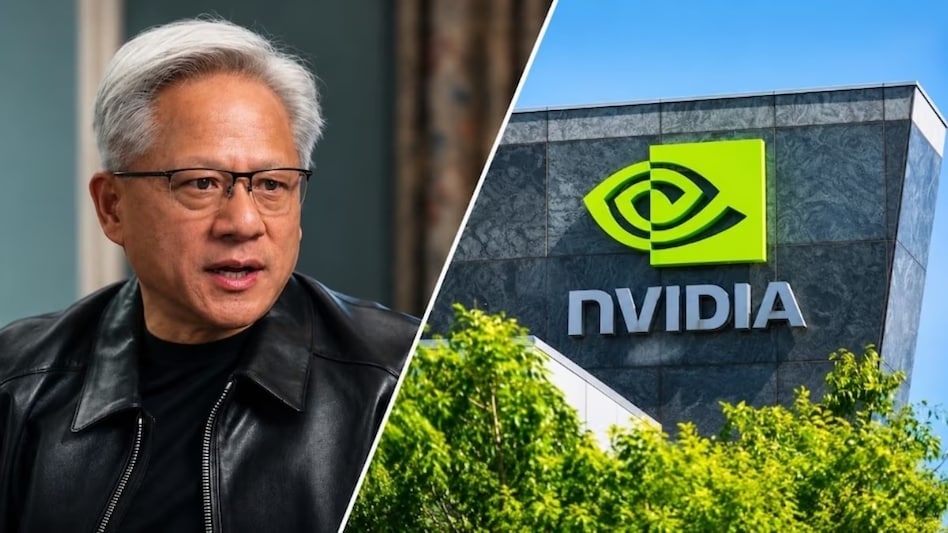
Jensen Huang Expresses Willingness to Return as Nvidia CEO Amid Controversy
In a poignant message shared on social media, Jensen Huang, the founder of Nvidia, has publicly expressed his readiness ...
TechCrunch | Nov 17, 2026, 16:55
Proton Launches Lumo Desktop: A Secure AI Tool for Enhanced User Control
Proton, known for its commitment to privacy, is expanding its suite of digital solutions with the introduction of Lumo D...
TechCrunch | Nov 17, 2026, 17:50
Waymo Halts Freeway Operations Nationwide Following DMV Safety Concerns
Waymo has ceased all freeway operations for its robotaxi service across the United States after the California Departmen...
TechCrunch | Nov 17, 2026, 20:15
AI Models Risk Misidentifying Civilians as Military Targets in Disturbing Research
Recent findings from Vals, a startup based in San Francisco focused on AI evaluation, have revealed a troubling vulnerab...
TechCrunch | Nov 17, 2026, 17:30