
Google bumps up Q Day estimate to 2029, far sooner than previously thought
In a significant update, Google has revised its prediction for Q Day—the moment when quantum computers can effectively dismantle the public-key cryptography systems that protect sensitive information worldwide. In a recent announcement, the tech giant set a new target of 2029 for this pivotal event, urging the global community to adopt post-quantum cryptography (PQC) as a safeguard against the vulnerabilities posed by advanced quantum computing. Heather Adkins, Google’s Vice President of Security Engineering, along with Senior Cryptography Engineer Sophie Schmieg, emphasized the company's commitment to not only prepare for this transformation but also to lead the industry in this transition. They stated, "As a pioneer in both quantum and PQC, it’s our responsibility to lead by example and share an ambitious timeline. By doing this, we hope to provide the clarity and urgency needed to accelerate digital transitions not only for Google but also across the industry." The urgency surrounding Q Day has been a topic of discussion since the mid-1990s, when mathematician Peter Shor demonstrated that sufficiently powerful quantum computers could factor integers significantly faster than traditional computers, thereby threatening the security of RSA encryption. As research progressed, it became clear that quantum systems could also efficiently solve problems related to elliptic curves, further endangering current cryptographic standards. The new timeline is determined by advancements in quantum computing technology, particularly the number of qubits necessary to correct errors during calculations. Estimates for the capabilities required to break a 2048-bit RSA key have varied dramatically over the years—from the early prediction of a billion physical qubits in 2012 to a refined estimate of just 20 million qubits by 2019. Despite the ongoing debate, researchers have humorously noted that Q Day has perpetually seemed to be 20 years away for the last three decades.
Vision Breakthrough: US Startup Launches Groundbreaking Retina Chip in Europe
Science Corp is poised to introduce a revolutionary retina chip in Europe, designed to restore partial vision for indivi...
Business Today | Jul 25, 2026, 01:00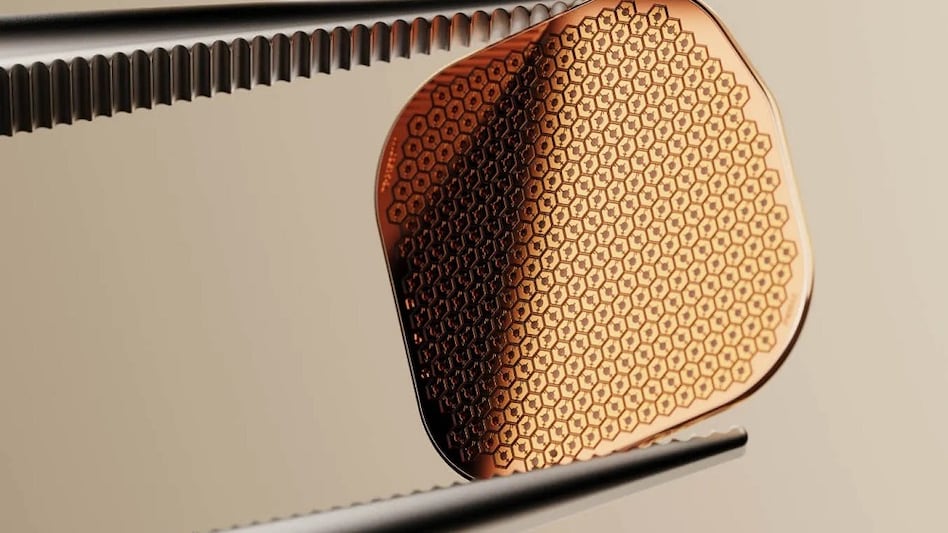
SpaceX's Latest Starlink Launch Marks Milestone Amid Booster Setbacks
On Friday, SpaceX marked a significant achievement by successfully launching its first batch of third-generation Starlin...
TechCrunch | Jul 24, 2026, 23:40
Alphabet Takes the Lead in AI Investment Amid Industry Competition
In a bold move that underscores its commitment to artificial intelligence, Alphabet has significantly ramped up its spen...
CNBC | Jul 24, 2026, 19:45
Unlocking the Secrets of Quantum Gravity: Can AI Help Physics Make a Leap?
The realm of scientific research is undergoing a profound transformation, fueled by the rapid advancements in artificial...
Business Today | Jul 25, 2026, 24:30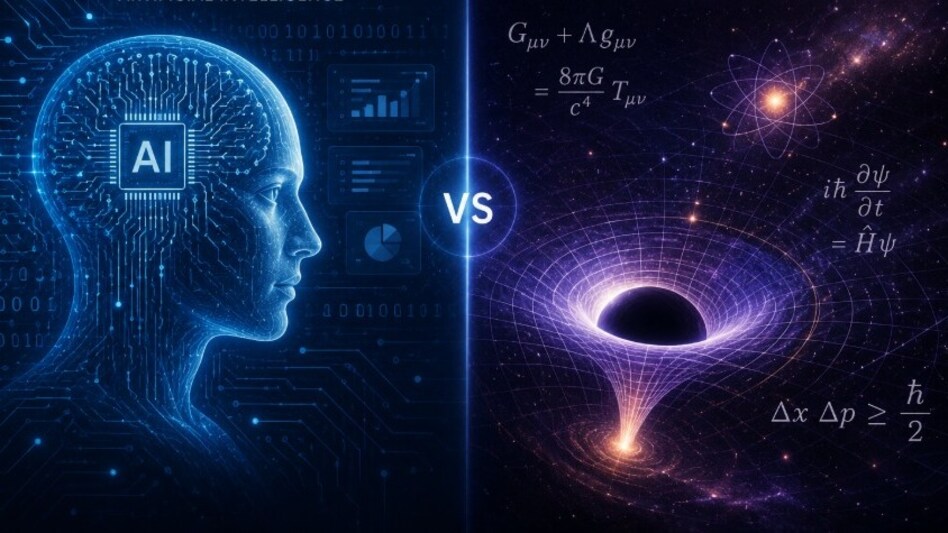
Finland Unveils World's Largest Sand Battery to Tackle Renewable Energy Challenges
In a groundbreaking move to address the critical issue of renewable energy intermittency, a small town in southern Finla...
CNBC | Jul 25, 2026, 05:35