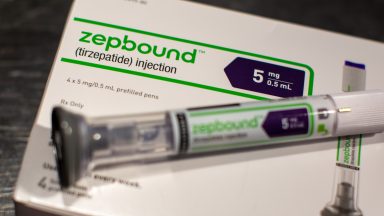
GLP-1 drugs improve heart health—but only if you keep taking them
The rise in popularity of GLP-1 weight-loss medications is making a significant impact on national obesity rates. However, recent research highlights a troubling reality: a clear and safe strategy for discontinuing these drugs is still lacking. A study published in JAMA Internal Medicine reveals that many participants who were instructed to stop taking tirzepatide (marketed as Zepbound by Eli Lilly) not only regained substantial weight but also experienced declines in their cardiovascular and metabolic health. Key indicators such as blood pressure, cholesterol levels, hemoglobin A1c, and fasting insulin showed a worrying return to pre-treatment levels. In an editorial accompanying the study, University of Pittsburgh experts Elizabeth Oczypok and Timothy Anderson propose a rebranding of these medications from “weight loss” drugs to “weight management” drugs, suggesting that ongoing use may be necessary for many individuals. They point out that about half of those who start taking GLP-1 drugs for weight loss discontinue them within a year for various reasons. A common misconception is that once a desired weight is reached, individuals can stop the medication, a notion that contradicts the evidence. The researchers conducted this trial with 670 participants suffering from obesity or overweight conditions (excluding those with diabetes) over 36 weeks of treatment with tirzepatide. After this period, participants were divided into two groups: one continued with the medication for another 52 weeks, while the other received a placebo. Both groups were encouraged to maintain a reduced-calorie diet and exercise regimen throughout the study. Out of the initial cohort, only those who lost at least 10 percent of their body weight on the drug were closely monitored, totaling 308 individuals among the 335 who switched to placebo. This study underscores the importance of treating weight management as a chronic condition, similar to how patients manage hypertension or diabetes, where discontinuation of medication is not typically an option once treatment goals are achieved.
Anthropic's Controversial New Ad Sparks Outrage and Debate
Anthropic, a prominent player in the AI sector, has stirred considerable controversy with its latest advertisement, whic...
TechCrunch | Jul 14, 2026, 20:05
Cybersecurity Stocks Surge Amid AI Spending Concerns Revealed by IBM's CEO
On Tuesday, shares of cybersecurity companies experienced a significant boost following remarks from IBM's CEO, Arvind K...
CNBC | Jul 14, 2026, 18:45
Jim Cramer Dismisses AI Market Bubble Fears, Highlights Strong Valuations
In a recent discussion, CNBC's Jim Cramer expressed confidence that the current stock market is far from the bubble cond...
CNBC | Jul 14, 2026, 22:35
Jim Cramer Warns Against Investing in IBM Amidst Major Corporate Spending Shift
On Tuesday, CNBC's Jim Cramer expressed concerns regarding IBM's recent financial struggles, highlighting a significant ...
CNBC | Jul 14, 2026, 22:55
Zipline Accelerates Drone Delivery Expansion with New Leadership
Zipline, a startup based in South San Francisco, is ramping up its drone delivery operations by appointing former execut...
CNBC | Jul 14, 2026, 18:40