
Macron and Modi are personally courting tech CEOs in the global AI race
In a bid to lead the global AI frontier, French President Emmanuel Macron and Indian Prime Minister Narendra Modi are actively reaching out to top tech executives. Their efforts aim to secure vital investments and establish robust AI infrastructure in their respective countries. This year, both leaders have intensified their efforts to engage with CEOs of the world's leading tech firms. Macron made headlines when he hosted AI leaders at the G7 summit in June, where he successfully persuaded SoftBank's Masayoshi Son to commit billions towards AI data centers in France. Modi, on the other hand, recently met Amazon CEO Andy Jassy to celebrate the tech giant's record-setting $48 billion investment in India, part of which will support AI and cloud infrastructure. Modi's networking doesn’t stop there; last year, he connected with influential figures including Microsoft’s Satya Nadella, Google’s Sundar Pichai, and Intel’s Lip-Bu Tan, all of whom pledged support for India's AI ecosystem. In May, SoftBank unveiled plans for a substantial 3.1 GW AI data center project in France by 2031, as part of a comprehensive 75-billion-euro initiative to enhance AI capabilities. Macron was proactive in his approach, meeting with Son prior to the announcement to negotiate specifics of the investment, demonstrating France's commitment to hosting substantial AI projects. During the G7, Macron invited tech leaders like OpenAI's Sam Altman and Google DeepMind's Demis Hassabis to a working lunch with world leaders, further emphasizing France's role in shaping the AI discourse. Similarly, Modi's influence was palpable at the Global AI Summit in India earlier this year, where he urged global tech leaders to “Design and Develop in India,” highlighting the nation’s vision for an AI-driven future. Despite India's current challenges in producing cutting-edge chips and developing competitive AI models, Modi is focused on attracting foreign investments to bolster India’s technological capabilities. To facilitate this growth, the Indian government has implemented long-term tax incentives for hyperscale companies establishing AI data centers. Additionally, collaborations with firms like ASML are set to advance India's semiconductor production, crucial for its aspirations in the AI sector. However, India's reliance on foreign AI technologies poses risks, particularly amidst global export control measures. As the international AI investment landscape flourishes, the urgency for Modi to secure technology and capital becomes increasingly evident, underscoring the critical nature of these diplomatic engagements.
Anthropic Strengthens Team with Former Monzo Co-Founder Tom Blomfield
In the competitive landscape of AI talent acquisition, Anthropic continues to make significant moves by bringing on Tom ...
Business Insider | Jul 13, 2026, 10:05TSMC Sees Remarkable Revenue Growth Fueled by AI Demand
Taiwan Semiconductor Manufacturing Company (TSMC), the leading global contract chipmaker, announced a staggering 67.9% i...
CNBC | Jul 13, 2026, 05:55
Goldman Sachs Identifies Promising Stocks Amid Chip Designer Crisis
In light of the ongoing shortage of chip designers, Goldman Sachs has spotlighted two stocks that stand to gain signific...
CNBC | Jul 13, 2026, 12:15
Apple Takes Legal Action Against OpenAI Over Alleged Data Breach by Ex-Employee
On July 10, Apple initiated a lawsuit against OpenAI, claiming that the company has profited from confidential informati...
Business Today | Jul 13, 2026, 05:45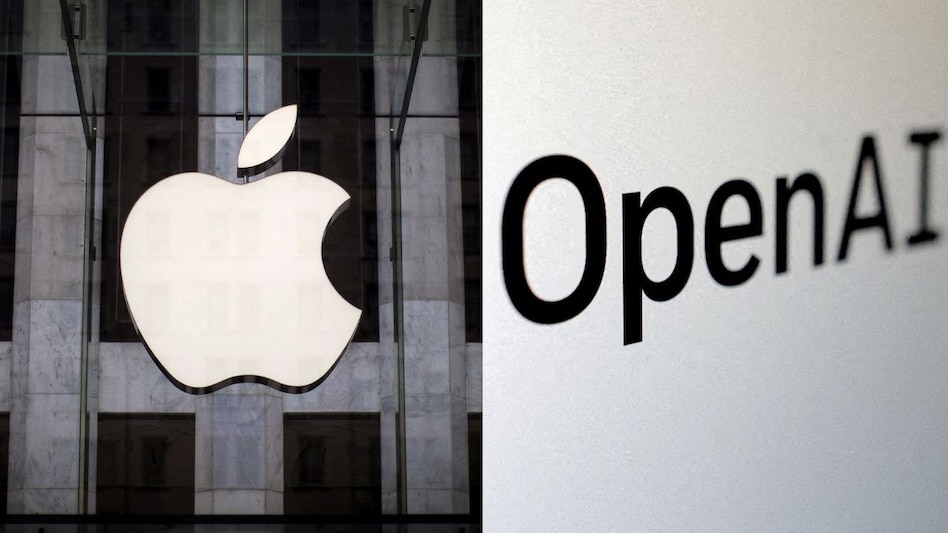
China's GLM-5.2 AI Model: A Free Alternative with Room for Improvement
A new open-source AI model from China, GLM-5.2, is gaining attention for its capabilities in various tasks, drawing comp...
Business Insider | Jul 13, 2026, 08:15