China says it wants the world to work together to govern AI. The US, not so much.
At the recent World Artificial Intelligence Conference held in Shanghai, the spotlight was not just on the impressive boxing robots that entertained attendees, but rather on the escalating rivalry between the United States and China regarding the future of artificial intelligence. The event, partially organized by the Chinese government, emphasized the theme of 'global solidarity in the AI era.' During his keynote speech, Chinese Premier Li Qiang advocated for the formation of a new global entity to unify efforts in managing AI advancements. He pointed out the existing fragmentation in global AI governance, highlighting the significant disparities among countries in regulatory frameworks and institutional practices. "We should strengthen coordination to form a global AI governance framework that has broad consensus as soon as possible," he urged, stressing the importance of collaboration. In stark contrast, U.S. President Donald Trump recently introduced his 'AI Action Plan,' which includes three executive orders aimed at reducing regulatory constraints for AI companies. "From this day forward, it'll be a policy of the United States to do whatever it takes to lead the world in artificial intelligence," Trump declared, indicating a clear intent to foster American AI innovation. This approach is expected to favor U.S. companies like OpenAI, Meta, and Google DeepMind, which have actively supported the new policies. However, there are concerns regarding the implications of a less regulated environment. Industry leaders have repeatedly warned about the potential risks posed by AI, ranging from disinformation to economic disparity and even existential threats. In a call to action, notable AI figures, including OpenAI's CEO Sam Altman and Google DeepMind's CEO Demis Hassabis, signed a statement urging for AI regulation, asserting that mitigating extinction risks from AI should be prioritized on a global scale. Altman emphasized that the impact of AI transcends national borders and called for the establishment of an international agency dedicated to overseeing powerful AI systems and ensuring safety protocols. This could mirror structures like the Nuclear Nonproliferation Treaty, which is upheld by the United Nations. The UN's tech chief, Doreen Bogdan-Martin, echoed this sentiment, indicating the urgent need for a global agreement on AI regulation. "We have the EU approach, the Chinese approach, and now the US approach. What’s crucial is dialogue among these different strategies," she remarked. Yet, the current U.S. administration's America First policy may pose challenges to such international collaborations. At the Shanghai conference, Geoffrey Hinton, renowned as the Godfather of AI, acknowledged the difficulties in achieving international consensus on AI governance. He noted the challenges in agreeing on fundamental issues, such as addressing misinformation. However, he pointed out a common ground: the necessity for humans to maintain control over AI systems. "On that particular issue, it should be easy to get international collaboration," he stated, despite the potential hurdles posed by the current U.S. administration. "But rational countries will collaborate on that," he concluded.
TSMC Sees Remarkable Revenue Growth Fueled by AI Demand
Taiwan Semiconductor Manufacturing Company (TSMC), the leading global contract chipmaker, announced a staggering 67.9% i...
CNBC | Jul 13, 2026, 05:55
Anthropic Strengthens Team with Former Monzo Co-Founder Tom Blomfield
In the competitive landscape of AI talent acquisition, Anthropic continues to make significant moves by bringing on Tom ...
Business Insider | Jul 13, 2026, 10:05Nadella Challenges AI Labs on Data Usage and Model Training Ethics
In a recent post, Microsoft’s CEO Satya Nadella subtly criticized AI labs, particularly targeting firms like Anthropic, ...
Business Insider | Jul 13, 2026, 05:00TCS Overhauls Leadership Structure to Embrace AI and Market Growth
Tata Consultancy Services (TCS) has announced a significant leadership restructuring aimed at enhancing its operations a...
Business Today | Jul 13, 2026, 05:15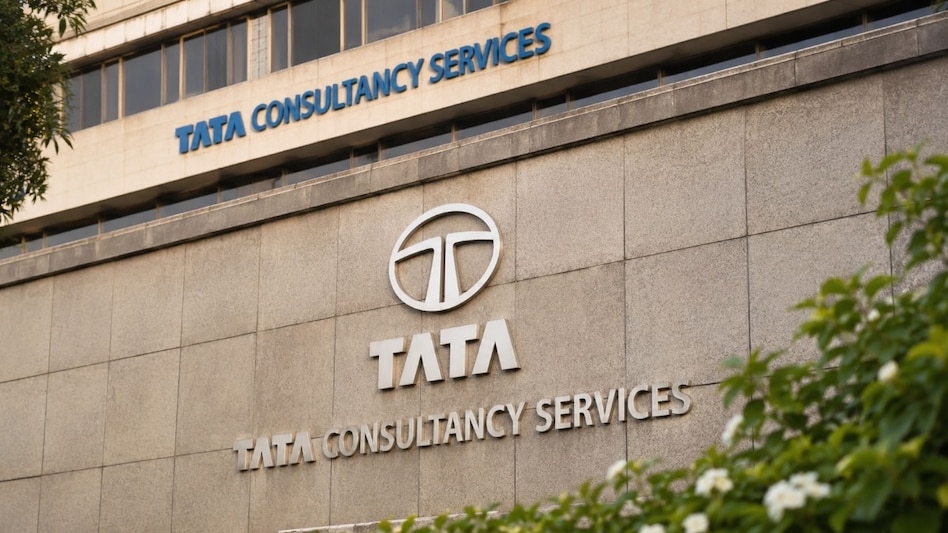
Helsing Secures $1.8 Billion to Enhance AI-Driven Defense Solutions
Helsing, a burgeoning defense startup based in Europe, announced on Monday that it has successfully secured $1.8 billion...
CNBC | Jul 13, 2026, 08:05