'Godfather of AI' Geoffrey Hinton says the war in Ukraine changed his view of military AI
Geoffrey Hinton, renowned as the 'godfather of AI,' has revealed that the ongoing conflict in Ukraine has significantly shifted his perspective on the application of artificial intelligence in military settings. In a recent interview with NBC News, he expressed, "I think it's more complicated than I used to think." For years, Hinton has been a vocal critic of military uses of AI, advocating for a global prohibition on lethal autonomous weapons. However, he acknowledges that the realities of war, particularly as demonstrated in Ukraine, present a more intricate scenario. "I used to think that we should try very hard to prevent lethal autonomous weapons, but if you look at what's happening in Ukraine, it becomes much more complicated," he explained. The crucial role of drones, especially AI-driven ones, in Ukraine's efforts to fend off Russian aggression has led Hinton to reconsider his stance. "Ukraine is surviving because of drones," he stated, emphasizing the importance of this technology in contemporary warfare. He argued that it is challenging to maintain that any nation should abstain from utilizing such advancements when they are vital for survival. While AI-powered drones have been instrumental for Ukraine, Hinton noted that the country’s defense strategy still heavily relies on traditional human-operated munitions. Despite recognizing the benefits of AI in combat, he remains apprehensive about the broader implications of its use in warfare, describing the situation as "a mess." The ongoing conflict has sparked discussions about the future of warfare, which could involve autonomous systems capable of selecting targets without human intervention. Hinton warned that this could lead to an alarming increase in rapid casualties. As AI technology evolves, Hinton stressed the necessity for public involvement in its oversight. "The only thing that's going to rein in those big AI companies is public pressure," he remarked, highlighting his commitment to educating the public about both the potential risks and benefits of AI. Recently, the U.S. government has made strides towards integrating AI into national security, with directives aimed at advancing its applications in defense. The National Security Presidential Memorandum asserts that AI could transform national security, enhancing the safety of military personnel and ensuring the U.S. maintains an edge over its adversaries. As discussions continue about the role of AI in defense, the tension between innovation and ethical considerations remains a pressing challenge for technologists and policymakers alike.
Reclaiming Control: Librarians Host Workshops to Help People Navigate AI Tools
In a lively library setting in South Philadelphia, Charlie Bailey, a local librarian, humorously noted, "Everybody’s on ...
TechCrunch | Jul 25, 2026, 16:20
Unleashing the Power of AI: The 5 Smartphones Redefining Mobile Photography
Artificial Intelligence (AI) is transforming our daily experiences, permeating various aspects of technology, including ...
Business Today | Jul 26, 2026, 07:05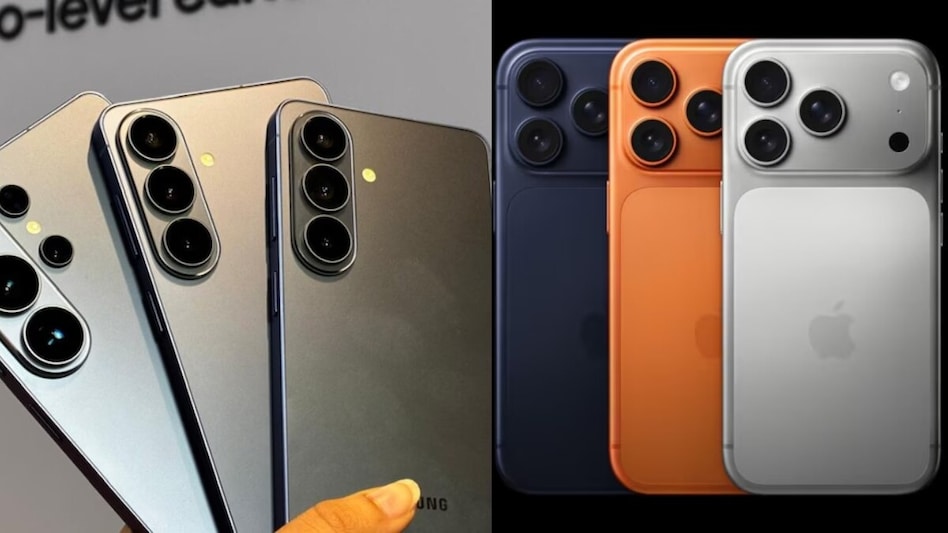
Warner Bros. Takes Legal Action Against Amazon Over Executive Poaching Allegations
Warner Bros. Discovery has initiated legal proceedings against Amazon, accusing the tech giant of unlawful interference ...
TechCrunch | Jul 25, 2026, 21:25
Uber's Former CEO Makes Waves with New Ventures Amidst Tesla's Earnings Update
In the ever-evolving landscape of transportation, recent developments have come to the forefront, particularly surroundi...
TechCrunch | Jul 26, 2026, 16:25
The Future of Work: Executives Weigh In on AI's Impact on Gen Z Careers
As generative artificial intelligence continues to rise, uncertainty looms for the incoming Gen Z workforce. Leaders fro...
Business Insider | Jul 26, 2026, 10:15