Inside Harvey: How a first-year legal associate built one of Silicon Valley’s hottest startups
In the competitive landscape of Silicon Valley, legal AI may not initially seem like a captivating sector. However, Harvey's CEO, Winston Weinberg, has successfully garnered the interest of prominent investors, including the OpenAI Startup Fund, Sequoia Capital, and Andreessen Horowitz. Since its inception, Harvey's valuation has experienced remarkable growth, soaring from $3 billion in February 2025 to an astonishing $8 billion by late October. This rapid increase underscores both the inflated valuations of AI startups and Harvey's skill in appealing to major law firms and corporate legal departments. Currently, the startup boasts 235 clients across 63 countries, including many of the top 10 U.S. law firms, and recently reported surpassing $100 million in annual recurring revenue as of August. In a recent podcast with StrictlyVC, Weinberg shared insights into the journey he and co-founder Gabe Pereyra have embarked on. The pivotal moment for Weinberg came when he utilized GPT-3 while working on a landlord-tenant case at O’Melveny & Myers, leading him to recognize the transformative potential of AI in the legal sector. A cold email to Sam Altman at OpenAI set off a chain of events culminating in significant funding that would propel their vision forward. Weinberg emphasized the importance of focusing on the business's success as the primary driver for fundraising, rather than networking alone. As Harvey's revenue shifts towards a more balanced mix of corporate and law firm clients—growing from 4% to an expected 40%—the company is redefining its sales strategy. Addressing the challenges of operating across over 60 countries, Weinberg highlighted the complexities of data residency laws and the costs associated with maintaining the necessary infrastructure. He noted that while Harvey's current business model is largely seat-based, they are exploring outcome-based pricing as workflows evolve. As Harvey continues to develop features that facilitate collaboration between in-house legal teams and law firms, the company is also tackling the intricate task of establishing a secure, multiplayer platform. This involves careful management of permissions to prevent potential ethical breaches in legal practices. Weinberg acknowledged the criticism that Harvey is merely a 'wrapper' for ChatGPT. He countered that the true strength of their platform lies in the extensive workflow data being collected and the innovative, collaborative features being developed to enhance legal processes. Looking ahead, Weinberg expressed a commitment to building tools that not only improve efficiency but also serve as training aids for junior lawyers, fostering their professional development in a rapidly evolving legal landscape. With plans for future funding not immediate, Harvey is positioned for sustainable growth as it navigates the complexities of the legal tech industry.
From Code to Concrete: A Developer's Leap into Blue-Collar Work
Brian Gordon, once a passionate coder, found himself confronting an unexpected career shift after his job as a frontend ...
Business Insider | Jul 11, 2026, 09:15OpenAI Shifts Focus to Family-Centric AI Experiences
In a significant pivot, OpenAI is expanding its target audience from individual users to families as it seeks to enhance...
TechCrunch | Jul 11, 2026, 14:30
The Fallout of Amazon's Mass Layoffs: A New Era in Tech Employment
In January, Jake Linsley received a text from Amazon that jolted him awake. Initially thinking it was about a package de...
CNBC | Jul 11, 2026, 12:20
Apple Takes Legal Action Against OpenAI Over Alleged Trade Secret Infringement
Apple has initiated a lawsuit against OpenAI, claiming that the AI company unlawfully acquired confidential information ...
Business Today | Jul 11, 2026, 06:35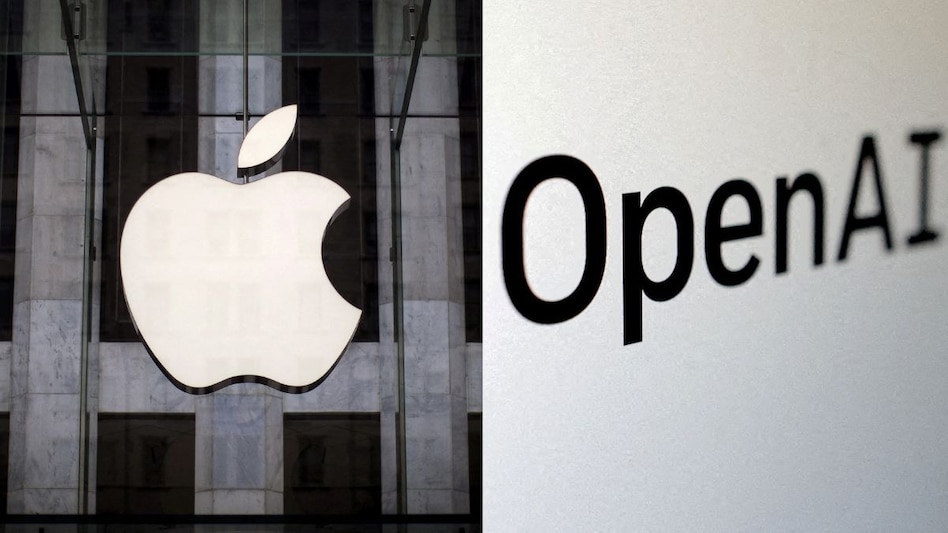
Empowering Graduates: The Importance of Real-World Problem Solving in Education
As the job market evolves, the significance of applying academic knowledge to real-world challenges is becoming increasi...
Business Today | Jul 11, 2026, 13:00