F1 moves a step closer to fixing its 2026 hybrid problem
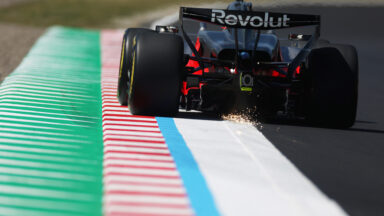
Formula 1 finds itself in an unanticipated pause as conflicts in the Middle East have led to the cancellation of races scheduled in Bahrain and Saudi Arabia this month. This unexpected downtime allows teams to focus on refining their vehicles, presenting a crucial opportunity for squads like Aston Martin, Cadillac, and Williams to gain ground on the competition. Even the dominant Mercedes team, which currently leads the championship, has areas to address. They are keen to improve their performance during race starts and enhance their ability to navigate through traffic. While engineers and mechanics stay busy with car development, technical representatives from all teams will collaborate with the FIA, the sport's governing body, to address issues stemming from new technical regulations introduced this season. The 2026 season brings a significant change with the introduction of new hybrid power units. These units feature a 1.6-liter turbocharged V6 engine powered by carbon-neutral fuel, delivering 400 kW (536 hp). Complementing this is an electric motor-generator unit (MGU) capable of producing up to 350 kW (469 hp), provided there is sufficient charge in the 4 MJ (1.1 kWh) battery pack. While this battery size is comparable to that in a Toyota Prius, it depletes rapidly in an F1 car, lasting just over 11 seconds under full deployment. The regulations permit the hybrid system to utilize more than one charge per lap—recently set at 8 MJ in Japan. As in Formula E, drivers must regenerate energy through braking to recharge their batteries. However, most F1 tracks do not offer enough braking zones for complete energy recovery; in the Japanese race, cars managed to recapture roughly 3.7 MJ during deceleration. Additionally, the MGU, positioned between the V6 engine and the transmission, can leverage power from the engine to recharge the battery, mimicking operations of conventional plug-in hybrid vehicles. This can occur through techniques like 'lift and coast,' where drivers ease off the throttle before entering a corner, allowing for more efficient energy management. Such strategies are commonplace in endurance racing and IndyCar, where minimizing pit stops can significantly impact race outcomes.
Meet the Innovators: 18 Startups Revolutionizing Dating and Social Networking
A new wave of startups is emerging, poised to transform the landscape of dating and social networking. These innovative ...
Business Insider | Jul 18, 2026, 15:50Big Tech's Capital Expenditure Surge: Inflation or Genuine Growth?
The much-anticipated earnings season for major tech companies is set to kick off next week, with Google leading the char...
Business Insider | Jul 18, 2026, 14:05TikTok Returns to Federal Devices as Ownership Changes Hands
In a surprising turn of events, federal employees are now permitted to download TikTok on their government-issued device...
TechCrunch | Jul 18, 2026, 16:10
Final Call for Australian Startups: Seize Your Chance at Stripe x Startup Battlefield
Time is running out for aspiring Australian entrepreneurs! In just 48 hours, the opportunity to showcase your startup at...
TechCrunch | Jul 17, 2026, 23:25
The Rise of AI Transcription: A New Era of Consent and Privacy
In a thought-provoking move, venture capitalist Jeremy Levine has taken a stand against the pervasive nature of AI trans...
TechCrunch | Jul 17, 2026, 21:45