
Emil Michael, now a senior Pentagon official, says he’ll never forgive Uber investors who ousted him and Kalanick
Emil Michael, currently a senior technology official at the Department of Defense (DoD), is making headlines once again as he discusses his tumultuous past with Uber and the ongoing challenges faced by the DoD in its dealings with Anthropic. In a recent podcast interview with Joubin Mirzadegan from Kleiner Perkins, Michael provided insights into both his personal experiences and the complexities of government technology acquisition. During the conversation, Michael opened up about his exit from Uber, which he described as an effective ousting alongside former CEO Travis Kalanick. He resigned shortly before Kalanick, amid a scandal involving allegations of workplace harassment and discrimination that prompted an investigation by former U.S. Attorney General Eric Holder. While Michael was not directly accused in the allegations, the inquiry concluded that he should be dismissed, leading to his departure. Reflecting on this chapter of his life, Michael expressed lasting resentment towards the investors who pushed for his and Kalanick’s exit. "I’ll never forget that, nor forgive," he stated, emphasizing the impact on their reputations and the belief that their vision for Uber's future, particularly in autonomous driving, was thwarted by short-sighted financial interests. He criticized the decision-makers for prioritizing immediate returns over long-term innovation, arguing that their actions effectively stifled what could have been a monumental leap in autonomous ride-sharing technology. Kalanick has echoed similar sentiments, suggesting that the company had made significant progress in the autonomous driving sector before its abrupt halt. As the interview progressed, Michael shifted focus to his current role at the DoD, particularly the agency's ongoing negotiations with Anthropic, which recently fell apart. He described the complexities of dealing with large language model vendors and expressed concern over Anthropic's proposed policies, which he believes could impose unnecessary restrictions on operational capabilities. Michael raised alarms about potential risks posed by foreign adversaries, specifically citing concerns that Chinese companies might reverse-engineer Anthropic’s models, potentially compromising U.S. military operations. He likened the situation to fighting with one hand tied behind his back, advocating for a more supportive relationship between American tech firms and the defense sector. As the legal battle between the DoD and Anthropic escalates, with the government claiming that the partnership poses a significant supply-chain risk, the situation remains fraught with tension. Anthropic has rebutted the government’s claims, asserting that the allegations are rooted in misunderstandings about their technology. A hearing on the matter is slated for Tuesday, underscoring the high stakes involved in this unfolding drama.
The Boring Company Eyes $4 Billion Funding Boost Amid Expanding Tunnel Ventures
Elon Musk's tunneling enterprise, The Boring Company, is reportedly negotiating a substantial funding round of $4 billio...
TechCrunch | Jul 25, 2026, 19:50
Unlocking the Secrets of Quantum Gravity: Can AI Help Physics Make a Leap?
The realm of scientific research is undergoing a profound transformation, fueled by the rapid advancements in artificial...
Business Today | Jul 25, 2026, 24:30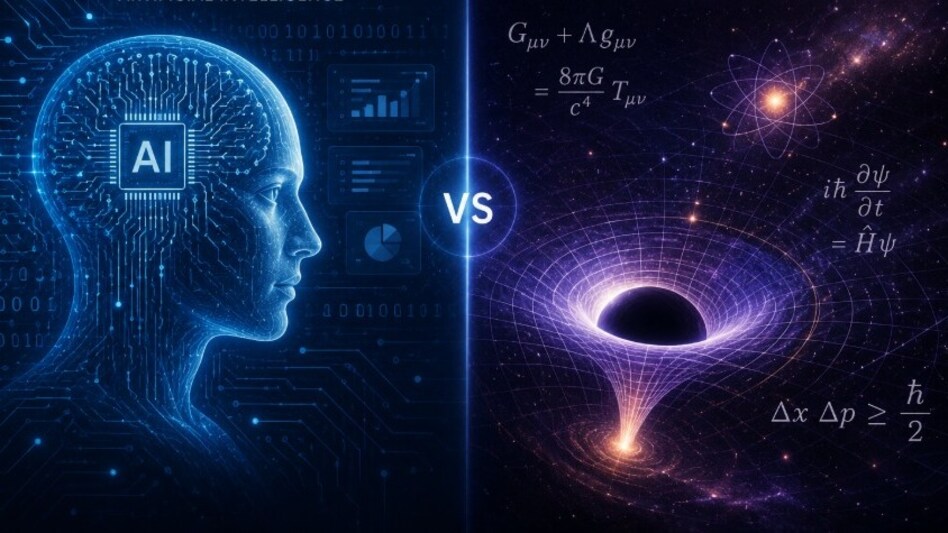
OpenAI's Micro Keypad: A Novelty for Coders or Just a Confounding Gadget?
Last week, OpenAI made its debut in the hardware landscape with the launch of Micro, a stylish keypad designed to integr...
TechCrunch | Jul 25, 2026, 24:40
Vision Breakthrough: US Startup Launches Groundbreaking Retina Chip in Europe
Science Corp is poised to introduce a revolutionary retina chip in Europe, designed to restore partial vision for indivi...
Business Today | Jul 25, 2026, 01:00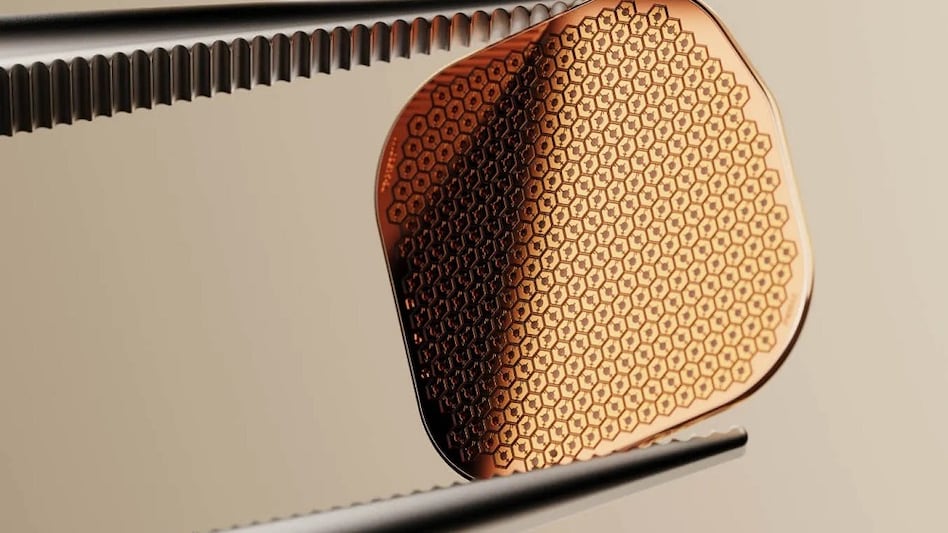
The Shift in Human Cognition: Embracing AI as a Collaborative Tool
As technology continues to evolve, a notable shift is occurring in the relationship between humans and artificial intell...
Business Insider | Jul 25, 2026, 09:50