OnePlus 15 vs iQOO 15: Which Chinese flagship offers better value?
The latest flagship from OnePlus, the OnePlus 15, has officially launched in China and is set to make its debut in India shortly. Not to be outdone, iQOO has also unveiled its flagship device, the iQOO 15, featuring similar specifications, including the same powerful processor. This leads to an intriguing comparison: which device offers more value for consumers? Starting with the displays, the iQOO 15 boasts a generous 6.85-inch LTPO AMOLED screen with a stunning 2K resolution and an impressive 144Hz refresh rate. It can achieve peak brightness levels of 6,000 nits and 2,600 nits in High Brightness Mode (HBM). Conversely, the OnePlus 15 features a slightly smaller 6.78-inch LTPO AMOLED display with a 165Hz refresh rate and 1.5K resolution, achieving a maximum of 1,800 nits in HBM. While the OnePlus display is higher in refresh rate, the iQOO display offers better resolution, which may appeal to multimedia enthusiasts. Both devices are powered by the Snapdragon 8 Elite Gen 5 processor, but they also utilize unique gaming chips to enhance performance. The iQOO 15 incorporates a Q3 gaming chip, while the OnePlus 15 features a G2 gaming network chip. The true performance differences will become evident in real-world usage. Camera capabilities are another area of comparison, as both smartphones are equipped with a 50MP triple rear camera setup and a 32MP front-facing camera. Although the iQOO 15 appears to have a slightly larger primary sensor, OnePlus has shifted from Hasselblad to its own DetailMax Engine, making it essential to conduct direct comparisons to determine the better camera system. In terms of battery life, the iQOO 15 houses a robust 7,000mAh battery, supporting 100W wired and 40W wireless charging. Meanwhile, the OnePlus 15 features a slightly larger 7,300mAh battery with faster 120W wired and 50W wireless charging capabilities. This difference could be crucial for users who prioritize battery performance. Software-wise, the iQOO 15 runs on the new OriginOS 6 UI, while the OnePlus 15 operates on OxygenOS 16, both based on Android 16. Historically, OnePlus has excelled in user interface design, but iQOO is reported to have made significant strides in its UI this time around. However, concerns remain regarding potential bloatware and ads on the iQOO device. Interestingly, the OnePlus 15 is priced lower than the iQOO 15, starting at CNY 3,999 in China compared to the iQOO 15's CNY 4,199 for the same 12GB RAM/256GB configuration. In India, the pricing of the OnePlus 13 and iQOO 13 further complicates the comparison, with the former debuting at ₹69,999 and the latter at ₹54,999. The price point will likely influence consumers' choices when both phones launch in November. On paper, the OnePlus 15 appears to have the edge with its thinner bezels, higher refresh rate, larger battery, and faster charging. However, the iQOO 15 also holds strengths such as a larger camera sensor and higher-resolution display. Ultimately, pricing will be a pivotal factor in determining which smartphone emerges as the best value among Chinese flagships this year.
Meta Tightens Rules on Smart Glasses to Protect User Privacy on Instagram
Meta has taken a significant step in addressing privacy issues related to smart glasses by implementing new guidelines f...
Business Today | Jul 24, 2026, 11:50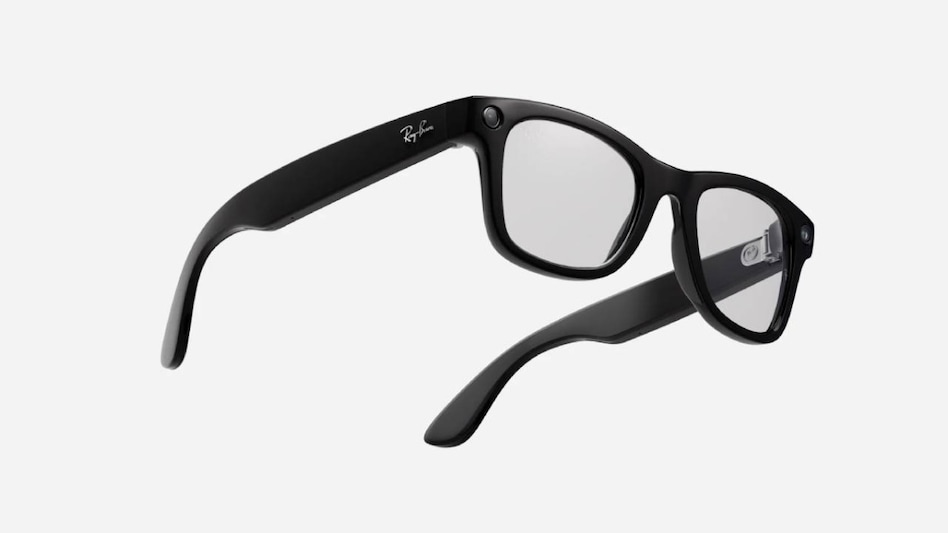
Australia Gears Up for Startup Showdown: Meet the Judges Who Will Shape the Future
The excitement is building as TechCrunch Startup Battlefield makes its way to Australia, in collaboration with Stripe, t...
TechCrunch | Jul 24, 2026, 24:30
Ashneer Grover Unveils Innovative Loan Guarantee Platform for Employees
Ashneer Grover, the former MD and co-founder of BharatPe, has made waves with the announcement of his new fintech initia...
Business Today | Jul 24, 2026, 05:55
China's Memory Chip Giant CXMT Set to Challenge Market Dynamics with Major IPO
ChangXin Memory Technologies (CXMT), China's leading memory chip manufacturer, is preparing for a significant public lis...
CNBC | Jul 24, 2026, 02:15
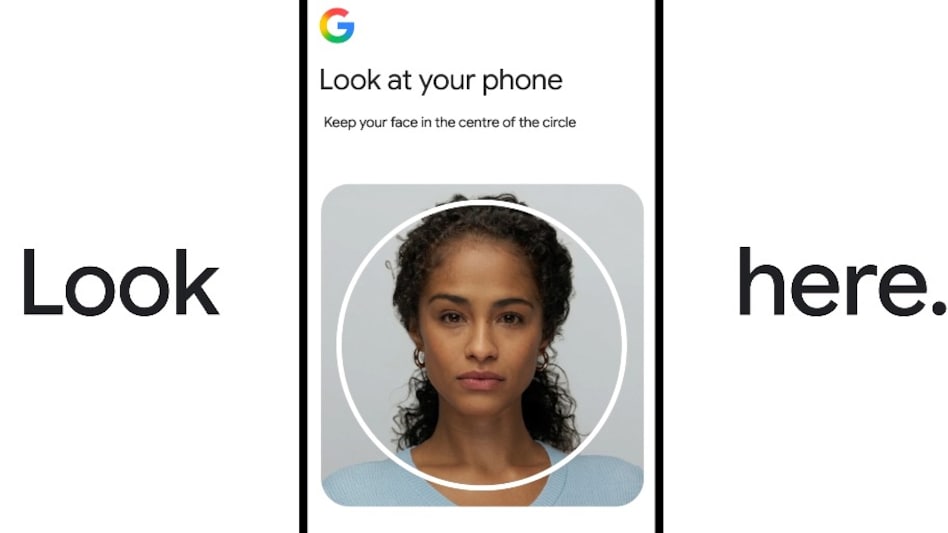
Unlocking Your Google Account Just Got Easier with Selfie Video Verification
In an innovative move, Google has introduced a new recovery feature called the 'Selfie Video' method, designed to simpli...
Business Today | Jul 24, 2026, 06:50