
Iconiq’s Will Griffith explains how his firm celebrated Figma’s IPO and why investors sold shares
Will Griffith, a venture investor at Iconiq, reflects on his transformative journey with Figma, a startup that has recently made headlines after its IPO. Just two months into his role, he met Dylan Field, a 19-year-old college dropout, which marked the beginning of a pivotal investment for Iconiq. Figma debuted on the stock market with a remarkable surge, opening at $33 and closing at $115.50, achieving a staggering market capitalization of $47 billion. Griffith's enthusiasm for Figma is palpable. He recalls attending user conferences where thousands of passionate attendees proudly sported Figma tattoos. From its inception, the founders demonstrated an unwavering commitment to innovation within the design software landscape. However, during their first meeting in 2013, both Field and co-founder Evan Wallace were relatively unknown, much like Iconiq back then, which was primarily a discreet wealth management firm for Silicon Valley elites. Field had previously interned at LinkedIn, where he caught the attention of Jeff Weiner, the then-CEO who became an early backer of their venture. Griffith reminisces about their initial encounter at a modest apartment in Palo Alto, where the founders showcased groundbreaking browser-based design capabilities that were revolutionary at the time. Despite skepticism from some investors, including Alexis Ohanian, who later acknowledged missing out on Figma, Griffith recognized the potential and wrote an early check, investing in several funding rounds that totaled approximately $332 million. While Iconiq didn’t publicly disclose its stake, Griffith confirmed that they own enough shares to celebrate the IPO at their offices. The team engages in a fun prediction contest to guess the closing stock price on the first trading day, offering enticing prizes for correct guesses. Interestingly, most of the stock sold at the IPO came from existing shareholders, including Field, rather than new shares. Griffith praised the generosity of existing investors for providing enough supply to facilitate the IPO. The overwhelming demand for shares, as indicated by the 40 times oversubscription, posed its challenges; large institutional investors often shy away from IPOs with limited shares available for trading, which can lead to inflated prices. Figma's existing investors, including Griffith, were reluctant to sell shares at the initial price of $33, demonstrating their long-term commitment to the company. For Griffith, the IPO signifies not an endpoint but a milestone in a continuing partnership with Field, whom he admires for his growth and vision. As the day unfolds, Griffith looks forward to connecting with the next generation of founders, eager to support their aspirations just as he did with Figma.
China Considers New Export Controls on AI Technologies and Semiconductors
In a significant move reflecting rising global tensions over advanced technologies, China is contemplating stricter expo...
Business Today | Jul 21, 2026, 10:55
Google's Ambitious AI Chip: Frozen V2 Set to Revolutionize Gemini Performance
Alphabet, the parent company of Google, is reportedly in the process of creating a cutting-edge artificial intelligence ...
Business Today | Jul 21, 2026, 05:55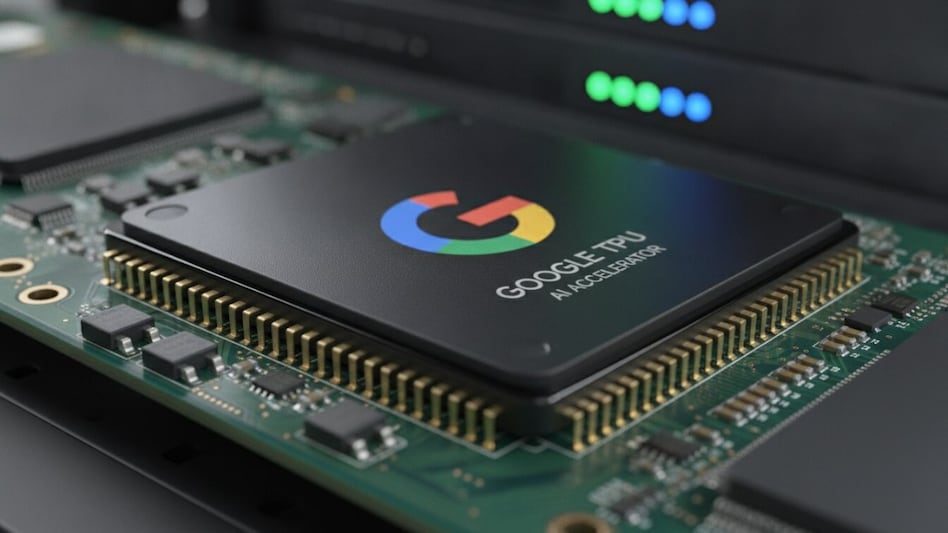
Resignation Shakes Trump’s AI Oversight as New Leader Steps Down
Chris Fall, who took the helm of the Center for AI Standards and Innovation (CAISI) just three months ago, has officiall...
TechCrunch | Jul 20, 2026, 22:55
Gritt Unveils $34 Million Initiative to Revolutionize Solar Panel Installation with AI-Driven Robotics
In a significant stride for solar energy deployment, Gritt has emerged from stealth mode, unveiling its ambitious plans ...
TechCrunch | Jul 21, 2026, 10:15
Google's Ambitious AI Chip 'Frozen v2' Set to Revolutionize Efficiency by 2028
Alphabet, the parent company of Google, is in the process of developing an innovative server chip aimed at enhancing the...
TechCrunch | Jul 20, 2026, 21:55