
MicroBooNE results rule out sterile neutrinos
For decades, scientists have been intrigued by the concept of a mysterious fourth type of neutrino known as the 'sterile' neutrino, which is theorized to interact neither with regular matter nor with other neutrinos. However, concrete experimental proof of its existence has remained out of reach. Recent findings from Fermilab's MiniBooNE experiment now suggest that the sterile neutrino may not exist at all, as reported in a new study published in the journal Nature. The fascination with sterile neutrinos originates from the infamous 'solar neutrino problem.' This issue was first identified in 1966 when physicists detected solar neutrinos emitted by the Sun, only to find that their numbers were significantly lower than theoretical predictions. This discrepancy led to a deeper investigation into the nature of neutrinos. In 1962, scientists discovered the muon neutrino, introducing a second flavor of neutrino, followed by the tau neutrino in 2000. It was suspected that neutrinos could change from one flavor to another—a phenomenon known as oscillation. A breakthrough came in 2002 when researchers at the Sudbury Neutrino Observatory announced a resolution to the solar neutrino problem, revealing that the missing solar (electron) neutrinos had merely transformed into different flavors during their journey to Earth. This discovery implied that neutrinos possess a small mass. Despite the confirmed existence of three types of neutrinos, a new challenge emerged when results from both the LSND experiment at Los Alamos and Fermilab's MiniBooNE indicated that muon neutrinos were oscillating into electron neutrinos in a manner inconsistent with the three-flavor model. This led scientists to propose the existence of a sterile neutrino, which does not interact with matter through the electroweak force and could also provide insights into dark matter. Yet, despite these intriguing hints, the search for sterile neutrinos has proven frustratingly difficult, and the findings from MiniBooNE may have finally put this particular mystery to rest.
Europe's Bold Stand Against U.S. Semiconductor Restrictions
In a significant diplomatic move, Dutch Trade Minister Sjoerd Sjoerdsma traveled to Washington this week for discussions...
TechCrunch | Jun 25, 2026, 24:20
NASA's Strategic Shift: Canceled Lunar Programs Under Scrutiny
In a significant strategic overhaul, NASA Administrator Jared Isaacman recently revealed plans to transition from develo...
Ars Technica | Jun 24, 2026, 21:45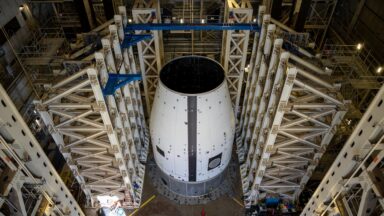
Get Ready to Shell Out: GTA VI Priced at $80 with No Physical Disc
As excitement builds around the release of the highly anticipated Grand Theft Auto VI, gamers are facing a new reality: ...
Ars Technica | Jun 24, 2026, 22:55
Exodus of Top AI Talent from Google Sparks Industry Concerns
In a significant shift within the AI landscape, prominent researchers Jonas Adler and Alexander Pritzel are departing Go...
TechCrunch | Jun 24, 2026, 22:05
Engineering Jobs Thrive Amid AI Evolution: A Surprising Resilience
The discourse surrounding the impact of AI on employment is escalating, particularly in the tech industry. Recent layoff...
TechCrunch | Jun 24, 2026, 22:05