The race to regulate AI has sparked a federal vs state showdown
As discussions intensify in Washington over the regulation of artificial intelligence, a significant conflict is emerging—not about the technology itself, but about who holds the authority to regulate it. In the absence of a comprehensive federal standard that prioritizes consumer safety, numerous states are taking matters into their own hands. States like California and Texas have introduced legislation aimed at safeguarding residents from potential AI-related risks. Tech companies, including both established giants and innovative startups, argue that these state-level regulations create a fragmented legal landscape that could stifle innovation. Josh Vlasto, co-founder of the pro-AI Political Action Committee Leading the Future, expressed concerns that such a patchwork of laws could hinder the United States' competitive edge against countries like China. The industry is advocating for a unified national standard, suggesting that a lack of one would leave consumers vulnerable and allow tech firms to operate unchecked. Amidst this backdrop, new legislative efforts are surfacing, aimed at preventing states from implementing their own AI regulations. House lawmakers are reportedly attempting to include provisions in the National Defense Authorization Act (NDAA) that would restrict state-level AI laws. Concurrently, a leaked draft of a proposed White House executive order indicates an inclination to preempt state regulations altogether, although such sweeping measures face significant opposition in Congress. Lawmakers have expressed concerns that without a federal framework, blocking state regulations could expose consumers to harm and allow tech companies to escape oversight. To establish a national standard, Rep. Ted Lieu (D-CA) and the bipartisan House AI Task Force are developing a comprehensive package of federal legislation aimed at addressing various consumer protections, including risks related to fraud, healthcare, transparency, child safety, and catastrophic events. However, the process of passing such a megabill could take considerable time, highlighting the contentious nature of current AI policy discussions. In recent weeks, efforts to prevent state regulation of AI have escalated. The House is contemplating incorporating language into the NDAA that would limit state authority, with negotiations reportedly focused on preserving certain areas like child safety. Meanwhile, the administration's potential executive order could establish an “AI Litigation Task Force” to challenge state laws deemed burdensome and encourage federal agencies to prioritize national standards. As the debate unfolds, the influence of figures like David Sacks, a key proponent of minimal federal oversight, looms large. His stance resonates with many in the AI industry who prefer self-regulation to foster rapid growth. Additionally, pro-AI super PACs have emerged, contributing substantial resources to support candidates opposing AI regulation. Within this heated environment, various stakeholders are voicing their perspectives. Some lawmakers, like New York Assembly member Alex Bores, advocate for reasonable regulations to ensure the development of trustworthy AI. He emphasizes that while states can act swiftly to mitigate emerging risks, a cohesive national policy is essential for long-term safety and innovation. As of now, 38 states have enacted over 100 laws addressing AI, primarily focused on issues like deepfakes and transparency. However, the effectiveness of these laws varies significantly, with many imposing little to no requirements on AI developers. The ongoing legislative efforts in Congress reflect a stark contrast to the rapid pace at which states are acting, underscoring the complexities and challenges of creating a unified framework for AI regulation. As Rep. Lieu continues to draft his extensive legislation, he remains hopeful about navigating the political landscape to achieve meaningful regulatory outcomes. With the stakes high and the implications far-reaching, the battle for AI regulation is set to shape the future of technology and consumer protection in the United States.
SpaceX's Starlink Faces Growth Challenges Ahead of Historic IPO
As SpaceX prepares for a groundbreaking IPO, investors are primarily focused on the company's satellite internet divisio...
CNBC | Jun 11, 2026, 21:15
ChatGPT Surges to One Billion Monthly Users Amidst Growing Public Concerns Over AI
Despite a notable downturn in public enthusiasm for artificial intelligence, OpenAI's ChatGPT has achieved a remarkable ...
CNBC | Jun 12, 2026, 06:15
Google Director Resigns, Citing Ethical Concerns Over Military Partnerships
René Mayrhofer, who served as Google's director for Android platform security, has stepped down in protest against the c...
Business Today | Jun 12, 2026, 07:20
Prometheus Secures $12 Billion to Revolutionize Engineering with AI
Prometheus, a groundbreaking AI startup co-founded by Jeff Bezos alongside Vik Bajaj, the former co-founder of Verily, h...
TechCrunch | Jun 12, 2026, 01:15
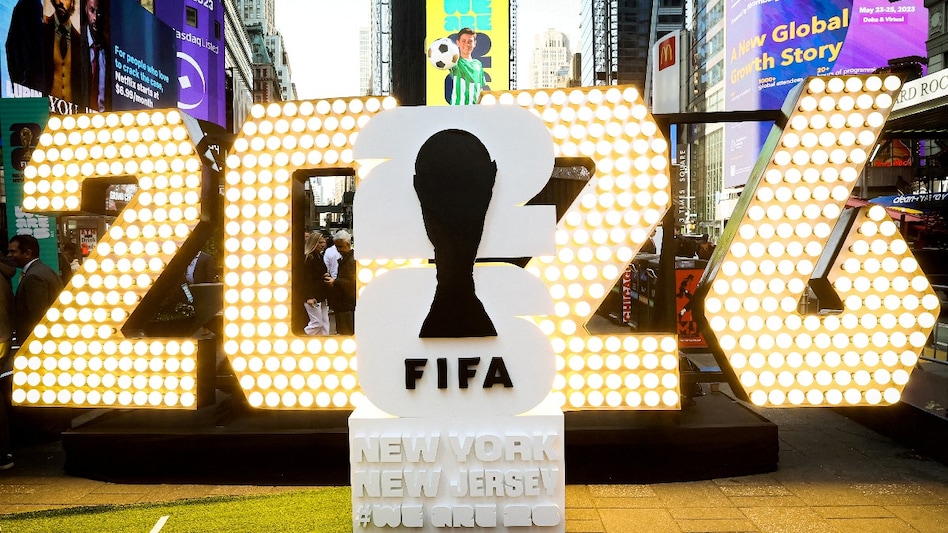
AI Innovations Set to Transform the FIFA World Cup 2026 Experience
The FIFA World Cup 2026, the largest sporting event on the planet, has officially kicked off in Mexico, with a historic ...
Business Today | Jun 12, 2026, 05:55