
Congress might block state AI laws for five years. Here’s what it means.
A proposed federal measure could soon prevent states and local jurisdictions from regulating artificial intelligence (AI) for a five-year period. Spearheaded by Senator Ted Cruz (R-TX) and other lawmakers, this initiative is being pushed for inclusion in a significant GOP budget bill that the Senate is set to vote on shortly, with a deadline approaching on July 4. Proponents of the bill, including influential figures like OpenAI CEO Sam Altman and Anduril founder Palmer Luckey, argue that varying state regulations would hinder innovation in the U.S. at a crucial moment when competition with China intensifies. However, the proposal has faced staunch criticism from a coalition of Democrats, various Republicans, and consumer advocacy groups. Opponents warn that the measure would eliminate essential protections against potential AI-related harms and enable major AI companies to operate with minimal oversight. In a letter sent to Senate Majority Leader John Thune, a group of 17 Republican governors expressed their opposition to the proposed “AI moratorium,” urging for its removal from the budget reconciliation package. Initially, the provision aimed to bar states from enforcing any regulations concerning AI systems for a decade. However, Cruz and Senator Marsha Blackburn (R-TN) have since agreed to reduce this timeframe to five years. New stipulations also seek to exempt laws aimed at protecting children and individuals' rights over their likenesses, but legal experts are uncertain about the implications of these changes for state-level regulations. This moratorium could override existing state laws such as California’s AB 2013, which demands transparency regarding the data used to train AI, and Tennessee’s ELVIS Act, which safeguards artists from AI-generated impersonations. The impact of the moratorium could extend even further, threatening numerous safety bills currently awaiting approval, including New York’s RAISE Act, which mandates comprehensive safety reports from large AI labs nationwide. Navigating the insertion of this moratorium into the budget bill has required strategic adjustments. Cruz modified the proposal to condition state access to funds from the $42 billion Broadband Equity Access and Deployment (BEAD) program on compliance with the AI moratorium. Critics like Senator Maria Cantwell (D-WA) argue that this essentially forces states to choose between expanding broadband access and safeguarding consumers from AI threats. As the Senate engages in a rapid series of votes known as a vote-a-rama, the amendment involving the AI moratorium is expected to be passed along party lines. However, a competing amendment from Democrats seeks to eliminate the entire clause. Chris Lehane, OpenAI’s chief global affairs officer, has voiced concerns about the inefficacy of the current regulatory patchwork and its potential consequences for U.S. competitiveness in AI. He quoted Russian President Vladimir Putin, suggesting that the nation that dominates AI will influence the future trajectory of global affairs. Contrastingly, many existing state laws focus narrowly on protecting consumers from specific issues like deepfakes and discrimination in areas like employment and healthcare. Advocacy groups argue that companies routinely manage compliance with diverse state regulations and that the moratorium may be more about avoiding accountability than fostering innovation. The call for a federal moratorium has ignited debate among lawmakers, highlighting a rare divide within the Republican party on states' rights. Critics argue that without a clear national policy, the moratorium could severely limit states’ ability to address AI-related challenges proactively. As public sentiment leans toward a desire for stricter AI regulations, with surveys indicating that a majority of Americans fear insufficient government action, the outcome of this legislation could have far-reaching implications for how AI is governed in the U.S. The evolving discussion underscores the urgent need for a balanced approach to AI regulation that prioritizes both innovation and consumer protection.
China's Humanoid Robots: From Wobbly Dancers to Agile Performers in Just One Year
Chinese humanoid robots have captured significant attention following their impressive display at the recent Spring Fest...
CNBC | Feb 20, 2026, 08:40
Sarvam AI: Pioneering Affordable AI Solutions for All
At the India AI Impact Summit in New Delhi, Pratyush Kumar, co-founder and CEO of Sarvam AI, delivered a compelling mess...
Business Today | Feb 20, 2026, 06:45
The AI Revolution in Mobile: Qualcomm's Vision for the Future
At the India AI Impact Summit 2026, Qualcomm's President and CEO, Cristiano Amon, shared his insights on the transformat...
Business Today | Feb 20, 2026, 09:00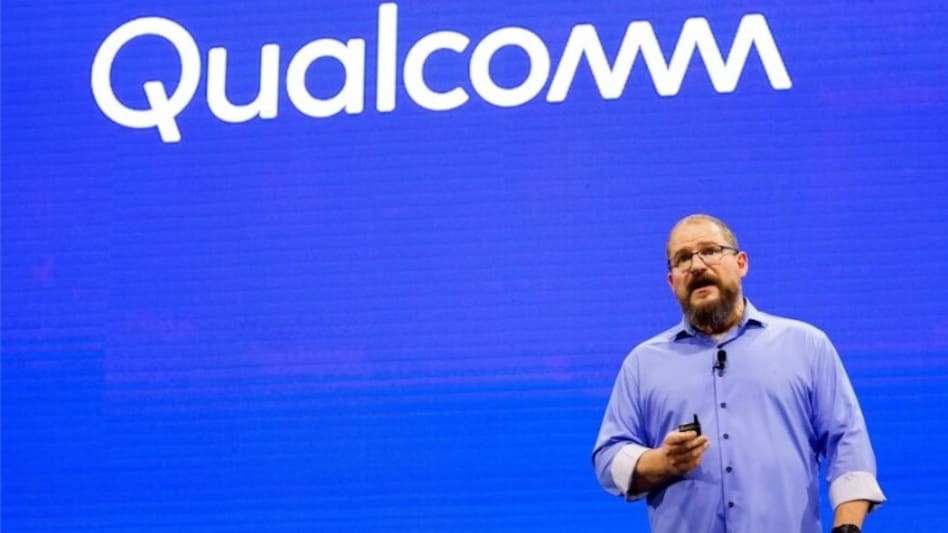
From Vision to Reality: How AI is Transforming Dairy Farming in India
Nandan Nilekani, co-founder and non-executive chairman of Infosys, shared an intriguing anecdote about his conversation ...
Business Today | Feb 20, 2026, 05:10
OpenAI Launches Support Initiative for Employees Facing Immigration Challenges
OpenAI has unveiled a significant initiative aimed at assisting employees who may encounter difficulties with U.S. immig...
Business Insider | Feb 20, 2026, 03:10