
FCC to authorize more powerful wireless devices in 6 GHz Wi-Fi band
The Federal Communications Commission (FCC) is moving forward with plans to authorize a new class of wireless devices in the 6 GHz Wi-Fi spectrum, allowing them to function at significantly higher power levels than what is currently permitted. Scheduled for a vote during its January 29 meeting, the FCC aims to create a new category of unlicensed devices that can operate outdoors with enhanced power capabilities. This initiative includes the approval of elevated power levels for certain indoor devices, marking a significant shift in wireless technology regulations. These new Geofenced Variable Power (GVP) devices will be designed to support high data rates essential for applications such as augmented reality (AR), virtual reality (VR), short-range hotspots, automation, and indoor navigation. The FCC highlighted that these advancements will provide greater flexibility and overcome the limitations faced by earlier device classes, allowing for mobility and higher power use outdoors. To prevent interference with established microwave links and radio astronomy observatories, these devices will need to integrate geofencing systems. FCC Chairman Brendan Carr noted that this initiative traces back to efforts championed by former President Trump, stating, "President Trump Unleashes American Innovation With 6 GHz Win." While Carr has faced criticism for various regulatory decisions, the 6 GHz initiative has garnered support from consumer advocates. Michael Calabrese from New America’s Open Technology Institute praised the move, calling it a substantial victory for consumers and an important change that the Wi-Fi community has long sought. Carr emphasized that the FCC's upcoming vote aims to enhance unlicensed operations in the 6 GHz band, enabling consumers to enjoy improved Wi-Fi connectivity and a new wave of wireless innovations, from AR and VR to an array of smart devices. He stated that the FCC's approach would foster a forward-thinking regulatory environment while ensuring the protection of existing users through geofencing measures.
The Aluminum Foil Trend: A DIY Shield Against Wireless Identity Theft
Have you noticed an unusual trend where people are wrapping their wallets in aluminum foil? This peculiar practice has e...
Business Today | Jul 25, 2026, 02:45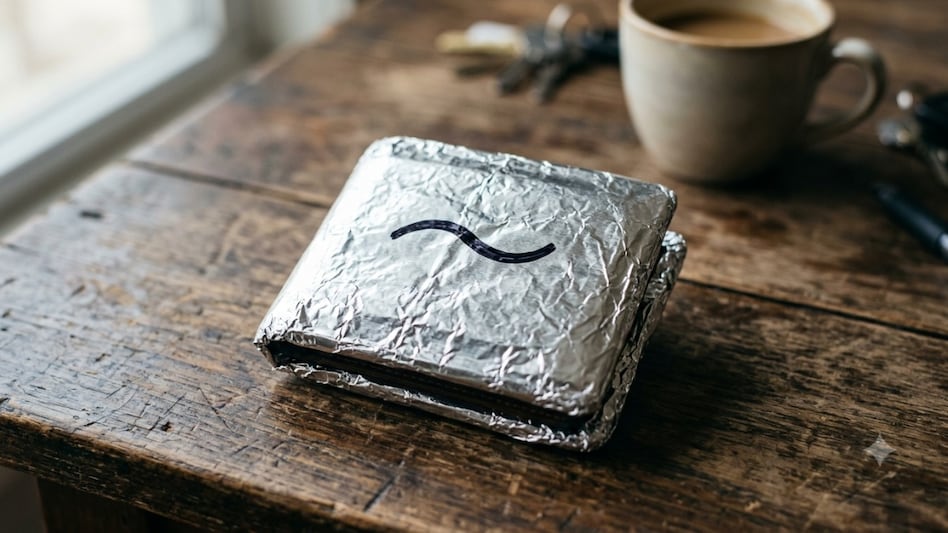
Prentis: Ambitious New AI Lab Eyes $100 Million Funding with Innovative Automation Goals
Prentis, a cutting-edge AI research laboratory co-founded by Ritankar Das, Reid Hoffman, and Marc Pincus, is currently i...
TechCrunch | Jul 24, 2026, 22:45
SpaceX's Latest Starlink Launch Marks Milestone Amid Booster Setbacks
On Friday, SpaceX marked a significant achievement by successfully launching its first batch of third-generation Starlin...
TechCrunch | Jul 24, 2026, 23:40
Rising Concerns in Bond Market as AI Investments Surge
Investors are growing increasingly uneasy about the substantial capital required to realize the ambitions of artificial ...
CNBC | Jul 24, 2026, 20:15
Waymo Considers Parting Ways with Uber Amid Rising Tensions
Waymo is reportedly exploring options to exit its partnership with Uber, which has allowed the Alphabet-owned firm to de...
TechCrunch | Jul 24, 2026, 21:00