
FCC chairman leads “cruel” vote to take Wi-Fi access away from school kids
In a significant and contentious move, the Federal Communications Commission (FCC) has voted to terminate funding for two key initiatives aimed at providing schoolchildren and library users with Internet access. This decision, led by FCC Chairman Brendan Carr, stems from claims that the programs were established beyond the agency's authority during the Biden administration. The vote, which concluded with a 2-1 outcome, saw Republican member Olivia Trusty supporting Carr's stance, while Democrat Anna Gomez opposed the motion. Under the previous administration, the FCC had expanded the Universal Service Fund's E-Rate program in 2024, enabling educational institutions and libraries to distribute Wi-Fi hotspots for off-premises use. Additionally, in 2023, the FCC authorized the E-Rate program to cover Wi-Fi services on school buses. With this recent decision, the administrator of the Universal Service Fund will now reject requests for funding related to off-premises Wi-Fi hotspots and equipment on school buses. Carr stated that the congressional authorization for the hotspot program was temporary and that the FCC no longer has the authority to continue it after its expiration. He emphasized, "When that program ended, so did the FCC's authority to fund Wi-Fi hotspots," arguing that the Commission unlawfully continued funding in violation of congressional limits. Specifically, Carr referenced Section 254 of the Communications Act, which he claims restricts the E-Rate authority to enhancing telecommunications access solely within classrooms and libraries, excluding any remote locations. He expressed concerns about the lack of restrictions on hotspot usage, stating that it allowed for "unsupervised Internet access." Regarding the school bus Wi-Fi initiative, Carr maintained that the E-Rate funding was intended to support telecommunications services within educational settings. He articulated his belief that providing unrestricted Internet access on school buses undermines parental control and supervision, which are critical for ensuring children's safety online. "Parents have a right to decide when—and how—their kids access the Internet," he added, highlighting the need for oversight to protect children from potentially harmful or inappropriate content.
TCS Sets Ambitious AI Hiring Goals Amid Industry Evolution
Tata Consultancy Services (TCS), a leading IT powerhouse in India, is planning to onboard up to 8,900 forward-deployed e...
Business Today | Jul 13, 2026, 06:55
OnePlus Raises Prices on Pad Go Tablets Amid Rising Tech Costs
The consumer electronics sector is currently facing significant challenges, influenced by a surge in demand for AI techn...
Business Today | Jul 13, 2026, 12:30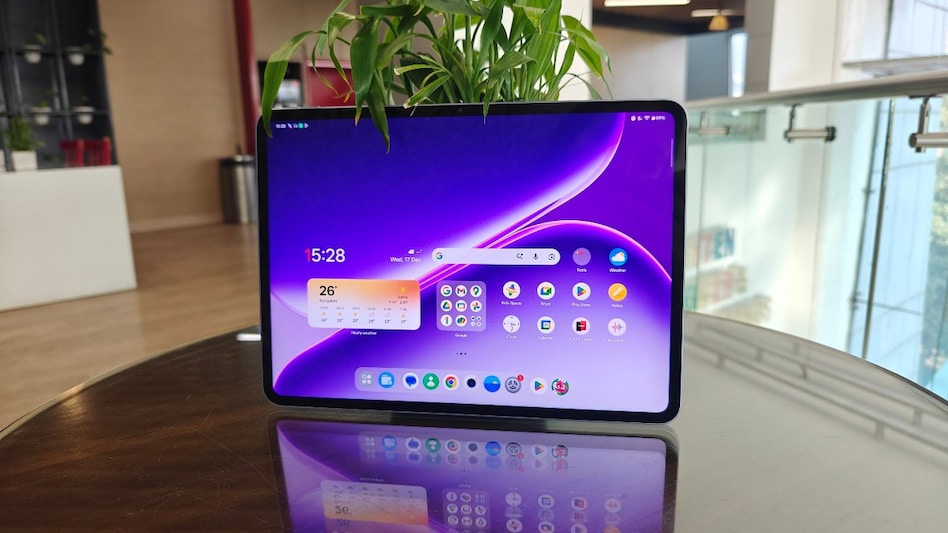
LTM Partners with Anthropic to Revolutionize Enterprise AI Integration
LTM, previously known as LTIMindtree, has joined forces with the AI startup Anthropic to seamlessly incorporate its Clau...
Business Today | Jul 13, 2026, 06:50
Prominent Figures Unite Against AI Job Displacement in Urgent Open Letter
A coalition of over 200 esteemed economists, industry leaders, and researchers, including more than a dozen Nobel laurea...
Business Insider | Jul 13, 2026, 13:10BSNL Unveils Rs 1.34 Lakh Satellite Phone: A Lifeline for Specialized Users
Bharat Sanchar Nigam Limited (BSNL) has introduced a satellite phone priced at Rs 1.34 lakh, specifically designed for i...
Business Today | Jul 13, 2026, 11:15