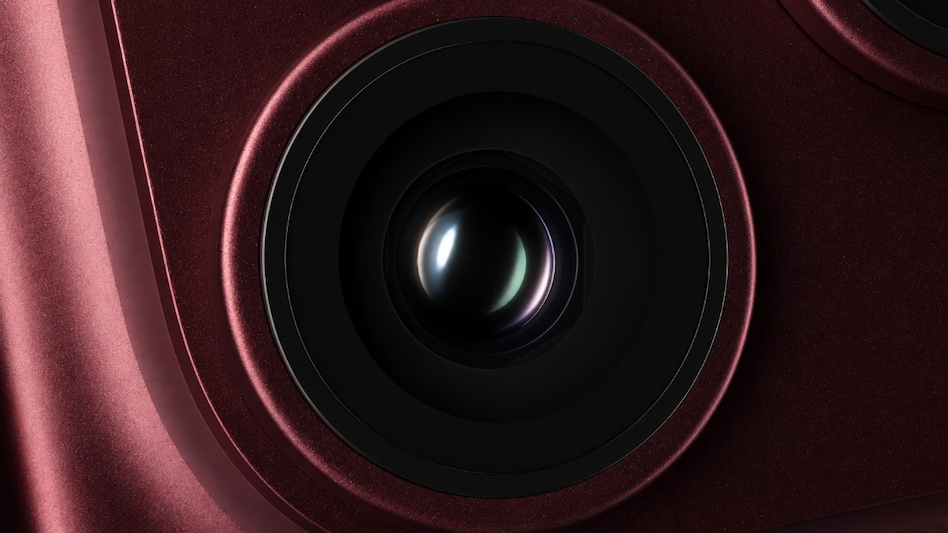
iPhone 18 Pro, Pro Max variable aperture camera explained: What it actually does
Apple has unveiled a revolutionary feature in its latest iPhone 18 Pro and iPhone 18 Pro Max: a variable aperture in the 48MP Fusion Main camera. This innovation allows the camera to physically adjust its aperture width, enhancing the control users have over lighting and depth in their photographs. Unlike traditional systems that solely depend on software, this new camera technology enables photographers to achieve stunning results in various conditions, particularly in low-light environments and portrait shots. Users can either let the system automatically adjust the settings or take manual control for a more tailored photography experience. The mechanics behind the variable aperture involve six laser-cut blades that facilitate transitions between four distinct aperture settings: ƒ/1.48, ƒ/1.8, ƒ/2.8, and ƒ/4.0. This flexibility allows for automatic adjustments based on lighting and depth of field, while advanced Pro Controls grant users the ability to manually tweak the aperture, shutter speed, and white balance, along with the option to monitor exposure using a histogram. Developers will also benefit from an API designed for aperture control, further expanding the camera's capabilities. While the 48MP Fusion Ultra Wide and Telephoto lenses maintain fixed apertures of ƒ/2.2 and ƒ/2.8, the Main camera's variable settings offer impressive versatility. At its widest setting of ƒ/1.48, the camera captures approximately 50% more light, significantly improving low-light performance and accelerating Night mode photography. The ƒ/1.8 setting serves as the default, providing a harmonious balance between light intake and depth of field, ideal for portrait shots. The ƒ/2.8 setting enhances depth of field, ensuring clarity in distant details, while ƒ/4.0 maximizes depth of focus across the entire scene. Apple’s Pro Controls also allow for creative effects, such as producing a starburst effect around bright lights. This system combines a new sensor with an advanced computational imaging pipeline to create sharper and more detailed images, setting a new standard for smartphone photography.
Revolutionizing Cybersecurity: AI's Role in Modern Threat Detection and Defense
As businesses increasingly embrace digital transformation and artificial intelligence, the complexity of cybersecurity t...
Business Today | Nov 24, 2026, 08:30
Tidal Takes Bold Step Against AI Music Flood, Set to Remove Millions of Tracks
In a decisive move to combat the overwhelming influx of AI-generated music, Tidal announced on Tuesday its plans to ban ...
TechCrunch | Nov 24, 2026, 17:10
Amazon's $7.5 Billion Acquisition of Decart: A Strategic Move in the AI Chip Landscape
In a significant development for the tech industry, Amazon has announced its acquisition of Decart, a startup specializi...
TechCrunch | Nov 24, 2026, 15:55
Emerging AI Chip Design Revolution: A Challenge to Nvidia's Reign
Nvidia, under the leadership of Jensen Huang, faces a significant challenge from the very AI technology it helped to pop...
Business Insider | Nov 24, 2026, 10:10Saudi Engineer Faces Legal Battle Over Alleged Espionage Using AI Tech
A Saudi engineer employed by OpenAI, Abdulrahman Alfozan, is at the center of a legal dispute as prosecutors allege he u...
Business Insider | Nov 23, 2026, 23:50