
Top 8 smart glasses to buy in India right now for tech enthusiasts
Smart glasses have evolved from a mere futuristic idea to a must-have tech accessory for enthusiasts. With the recent launch of Meta's Ray-Ban glasses on Amazon, the market for AI-driven wearables is booming, offering consumers a range of exciting options. The XREAL Air AR Glasses are designed for everyday use with devices, boasting a lightweight build of just 79g. They feature a rechargeable lithium-polymer battery that can last between 3 to 5 hours, depending on usage. With a virtual Micro-OLED display measuring 201 inches, these glasses deliver immersive entertainment and gaming experiences. Eye comfort is prioritized with TÜV Rheinland certification and full UVA/UVB protection, making them suitable for various environments. Users have praised the XREAL Air for its portability, comfort, and bright display. However, some have noted that heavy gaming can deplete the battery quickly. These glasses are perfect for those seeking an engaging AR experience that is both light and versatile. The Razer Anzu glasses offer over 5 hours of battery life and feature automatic power conservation when folded, making them ideal for all-day wear. With blue-light and UV protection, these glasses also come equipped with low-latency audio, a built-in microphone, and intuitive touch controls. While they excel in style and functionality, users have pointed out that frequent charging is necessary for extended use. VITURE Pro XR/AR Glasses utilize a compact battery paired with a low-energy Micro-OLED panel. They deliver a stunning 135-inch FHD display and support for fast charging, providing 2-4 hours of immersive use. Privacy is a key feature, as these glasses ensure minimal sound leakage and no visible content to outsiders, making them perfect for discreet use. RUIMEN smart glasses offer an impressive 8 hours of music playback and are designed with an IPX4 rating for sweat and weather resistance. Their dual-mic system and open-ear speakers allow for hands-free calls and streaming, adapting well from outdoor sports to casual day-to-day wear. Rokid's AR glasses leverage an embedded battery that supports 3-5 hours of AR use with efficient 160-inch OLED technology. They come with a plug-and-play USB-C option for extended device-powered use, catering to users who want to enjoy streaming and gaming without interruption. RayNeo Air 3s focus on battery life, providing 2-4 hours of immersive AR use with features like a vibrant 201-inch FHD display and quad speakers. Designed for comfort, these glasses also prioritize eye care with industry-leading technology. Finally, Zero Power smart glasses are ideal for commuters, offering up to 7 hours of battery life for music and calls. They combine style with functionality, featuring Blu Cut tech lenses for blue-light protection and a waterproof design for added convenience. Lightweight and practical, smart glasses are redefining everyday wear, focusing on hands-free features like photography and AI assistance. They integrate seamlessly into daily routines, providing immersive experiences without the bulk of traditional AR headsets. For tech enthusiasts, the productivity benefits are undeniable, although casual users may find them less essential. With various models now equipped with advanced AI capabilities, the choice ultimately depends on personal ecosystem preferences.
Vision Breakthrough: US Startup Launches Groundbreaking Retina Chip in Europe
Science Corp is poised to introduce a revolutionary retina chip in Europe, designed to restore partial vision for indivi...
Business Today | Jul 25, 2026, 01:00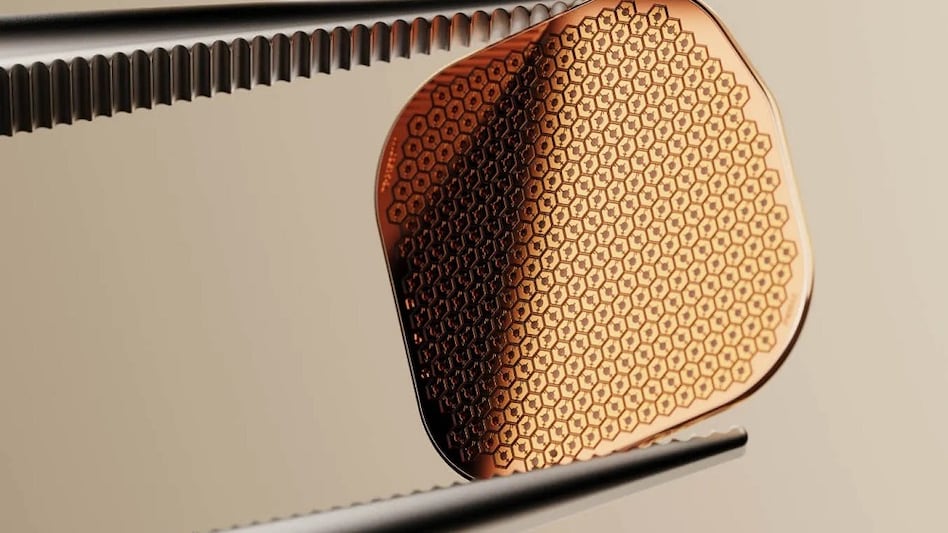
Kalshi Challenges Netflix Over Controversial Documentary Trailer
Kalshi, the prediction market platform, has taken significant legal steps against Netflix, sending a cease-and-desist le...
TechCrunch | Jul 25, 2026, 17:10
The Aluminum Foil Trend: A DIY Shield Against Wireless Identity Theft
Have you noticed an unusual trend where people are wrapping their wallets in aluminum foil? This peculiar practice has e...
Business Today | Jul 25, 2026, 02:45
The Shift in Human Cognition: Embracing AI as a Collaborative Tool
As technology continues to evolve, a notable shift is occurring in the relationship between humans and artificial intell...
Business Insider | Jul 25, 2026, 09:50Finland Unveils World's Largest Sand Battery to Tackle Renewable Energy Challenges
In a groundbreaking move to address the critical issue of renewable energy intermittency, a small town in southern Finla...
CNBC | Jul 25, 2026, 05:35